America’s Caregiver Crisis Is Also a Mental Health Crisis
Across the country, relatives and friends are filling medication boxes, providing transportation to medical appointments, and helping loved ones get through the day. AARP and the National Alliance for Caregiving’s 2025 report estimated that 63 million Americans provided care, nearly one in four adults and about 20 million more than in 2015. That includes care for adults and children with complex medical conditions or disabilities.

Supporting these caregivers means paying attention to how they are doing, too. Alongside professional support available through services such as BetterHelp, an online therapy platform, caregivers need practical help that makes their responsibilities manageable.
Getting started with BetterHelp is simple:
- Take a short questionnaire. Answer a few quick questions about your goals, preferences, and the type of therapist you’d like to work with.
- Get matched quickly. In most cases, you can be matched with a licensed provider in as little as 48 hours.
- Start therapy on your terms. Schedule sessions by video, phone, or live chat, and join from anywhere you have an internet connection.
Finding the right therapist isn’t just important – it’s everything.
Find your matchThe scale makes caregiving more than a private family matter. It is a healthcare, workforce, financial and mental-health issue. Understanding the pressure means looking beyond what caregivers do for others to what it takes to keep doing it.
Caregiving is becoming more complex
Caregiving can involve much more than checking in. The CDC describes responsibilities including bathing, dressing, and transportation, alongside help managing chronic illness. AARP’s 2025 research also documents caregivers performing complex medical tasks, such as injections and managing medical equipment.
Consider an ordinary Tuesday: organizing medicines, arranging a ride, attending an appointment and calling another provider to clarify instructions. Coordinating services adds another layer of work to hands-on care.
AARP’s July 2026 analysis found that caregivers of adults 50 and older averaged 26 hours of care weekly and had been caregiving for five years. Those averages apply specifically to people caring for this older population.
As responsibilities grow, there may be less time to recover between demands. Family Caregiver Alliance’s research summary links complex caregiving and emotional strain, highlighting the pressure of sustained responsibility. Loving someone does not make the work simple.
The emotional cost of being responsible for someone else
Finishing the day’s tasks does not always bring relief from worry. Family Caregiver Alliance describes persistent worry and uncertainty among caregivers. Imagine lying awake wondering whether a parent will fall or how to handle the next change in their health.
Grief can begin before a death. In guidance reviewed by Rabbi Jon Sommer, Family Caregiver Alliance explains grief before a loss, often called anticipatory grief. Someone may be mourning changes in a loved one while still helping them through daily life.
Caregivers may also experience isolation and guilt about breaks. The alliance describes lost personal time and loneliness when responsibilities leave little opportunity to see friends. Even an afternoon away can be difficult to enjoy when someone worries about leaving.
Family relationships can shift as well. A spouse may take on intimate care; an adult child may begin making decisions once handled by a parent. These changes in family roles can require emotional adjustment, particularly when memory loss alters familiar relationships. Recognizing chronic stress does not mean assuming every caregiver has a mental-health disorder.
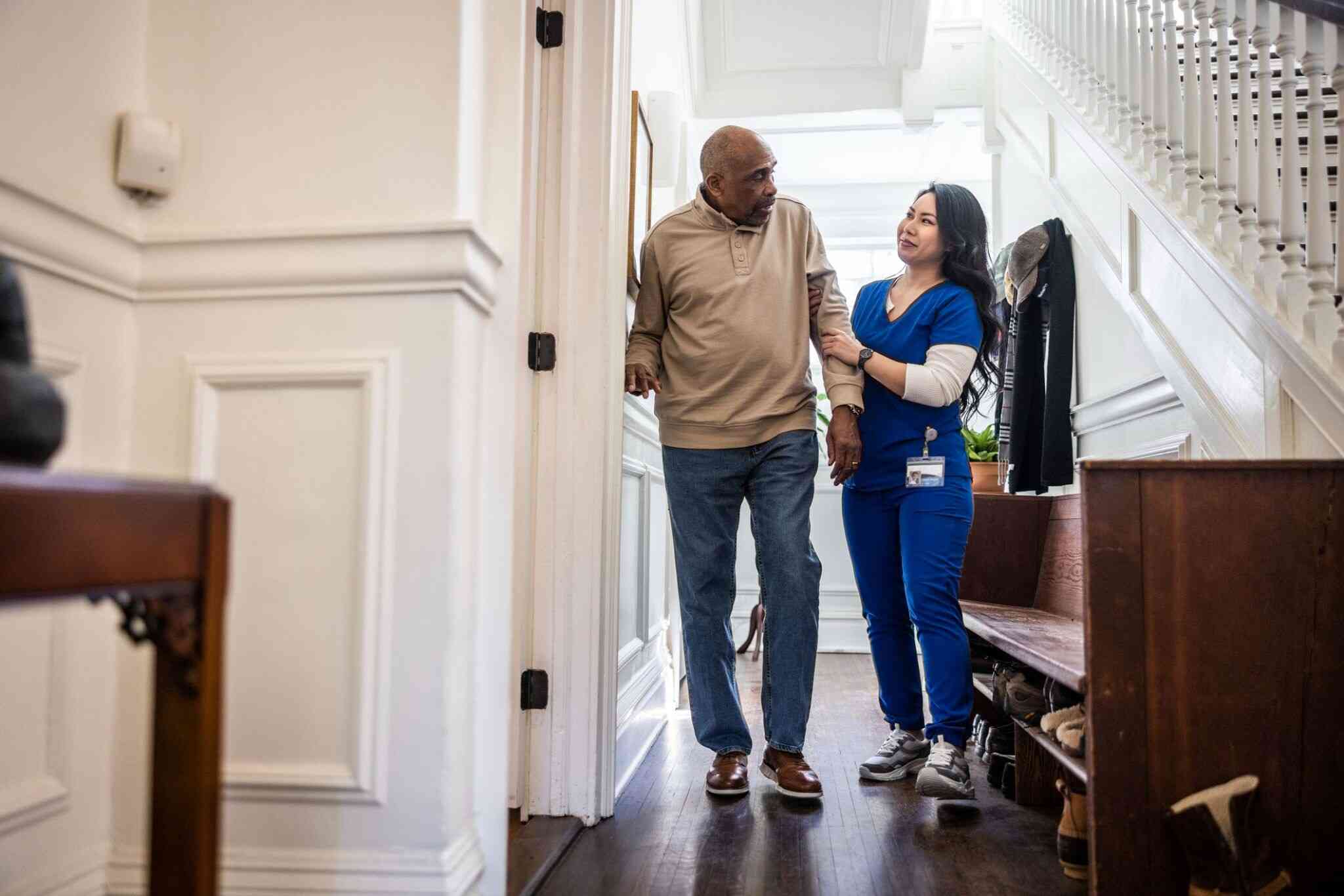
Caregiving can affect the caregiver's own health
When someone else needs immediate help, a caregiver’s own appointment or rest can slip down the list. The 2025 national report found nearly one in four caregivers struggled with their own health because of caregiving responsibilities.
The CDC notes that caregiving can be hard on caregivers’ health and often continues for years. Help during the first difficult weeks matters, but so does support after the initial crisis has passed.
A 2024 CDC analysis found more frequent mental distress among caregivers than noncaregivers in the survey periods studied. Caregivers also more often reported being unable to see a doctor because of cost. These findings came from self-reported surveys, not tracking the same people over time, so they cannot establish that caregiving caused the differences.
The financial and workplace pressures make the mental load worse
Paid work does not necessarily stop when caregiving begins. The 2025 national report found six in ten caregivers worked, and half of employed caregivers reported disruptions such as arriving late or leaving early.
For some, the consequences extend to reduced hours or leaving jobs. A missed shift or interrupted career can mean less income just as care expenses need to be covered.
AARP reports caregivers spend roughly $7,200 a year on average out of pocket. Consider the strain of paying for supplies while deciding whether another unpaid afternoon off is affordable.
Meanwhile, AARP’s 2026 analysis valued care provided by family caregivers of adults in 2024 at an estimated $1.01 trillion. That figure estimates the economic value of their work, not money they received. The contribution is enormous, even when the people providing it are struggling to pay their own bills.
Online therapy with insurance
With insurance, many members pay $15 or less. Some pay $0.*
Find a covered therapist*Insurance availability, coverage, and cost may vary by state, plan, provider network, therapist availability, and deductible status.
What would better caregiver support look like?
Useful support starts with making daily life more manageable. The federal National Family Caregiver Support Program funds respite care and support groups, along with training and help accessing services. Respite offers temporary relief from care duties, making room for rest, appointments or time with others.
Workplaces and policymakers have a role, too. Federal recommendations include stronger paid family leave, while AARP advocates financial help for caregivers. Flexible workplace schedules also deserve consideration. These approaches address pressures that encouragement alone cannot resolve.
Healthcare teams can help make responsibilities clearer. The CDC recommends keeping care information together, including medications, treatment needs and provider contacts. A plan should also prompt a practical question: who will carry it out, and what help will they need?
For community resources, the federal Eldercare Locator connects caregivers with local services. Social support and reliable help deserve a place alongside medical instructions.
For a family, that might mean knowing who can cover an evening, where to ask about financial assistance, and whom to call when care needs change. Support should ease the workload, rather than become another task for an already stretched caregiver to organize.
Takeaway
Behind a care plan is someone trying to make it work while keeping their own life going. Recognizing caregivers as essential to the care system means taking their limits, health, and emotional needs seriously.
Their ability to keep helping should not depend on how long they can manage alone. Addressing the caregiving crisis means building support around both the person who needs care and the person providing it.
- Next Article
This article provides general information and does not constitute medical or therapeutic advice. Mentions of diagnoses or therapy/treatment options are educational and do not indicate availability through BetterHelp in your country.
BetterHelp insurance availability, coverage, and cost may vary by state, plan, provider network, therapist availability, and deductible status.