Becky Hammon on Rewriting the Rules: A Permission Project Conversation on BetterHelp's Mind If We Talk?
By: Sonni Williams, LPC, PMH-C
Women spend much of their lives navigating expectations that seem to contradict each other. Be ambitious, but stay likable. Speak your mind, but keep the peace. Set boundaries, but be flexible. Do it all, but keep it together. We hear these messages so often that we stop recognizing them as expectations and start treating them like rules.
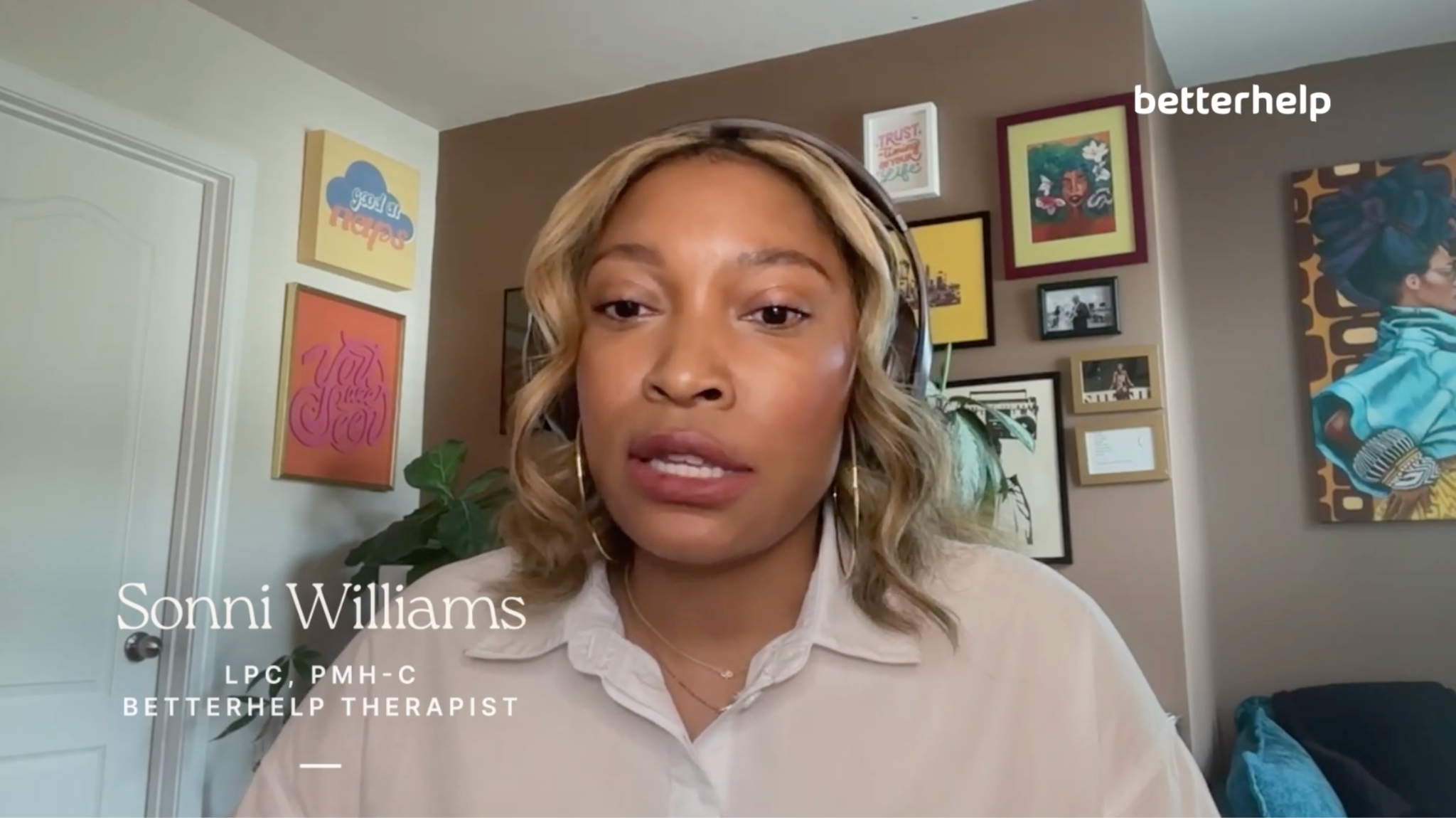
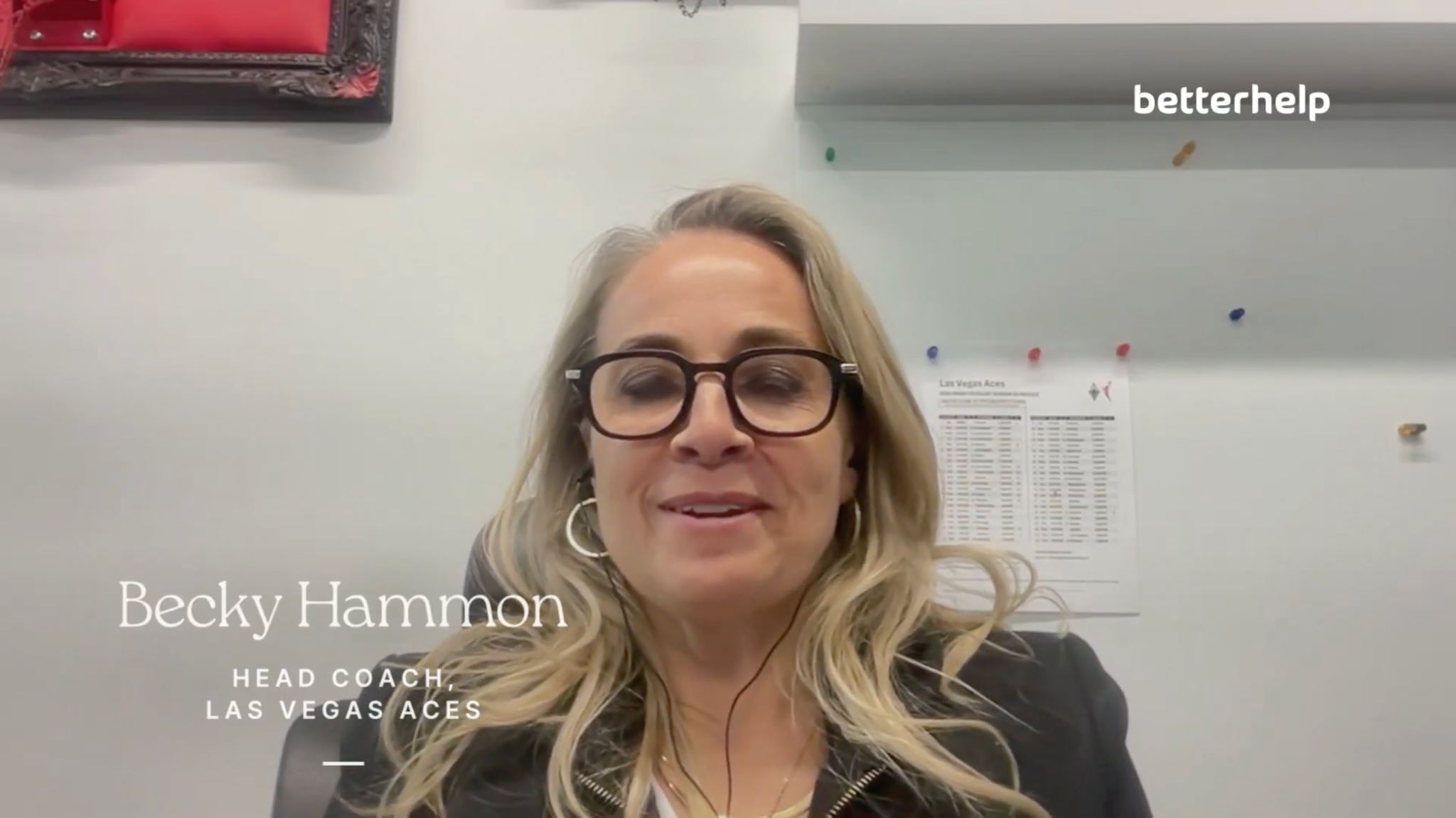
That idea sits at the heart of the Permission Project, a World Mental Health Day initiative from BetterHelp that puts ten of these unwritten rules under a microscope. I guest-hosted a bonus episode of Mind If We Talk? with Las Vegas Aces head coach Becky Hammon about how those rules show up in sports leadership and in her own career. We also worked through the Rewrite Guide together in real time. What follows are the moments that stayed with me, and why I think they matter well beyond the basketball court.
When expectations start to feel like facts
The Permission Project grew out of conversations among licensed therapists on our team at BetterHelp, who noticed how many women carry messages they absorbed years ago and never examined.
Announced with actor Sophia Bush, the project pairs ten unwritten rules with a free Rewrite Guide and commits $100,000 to loan relief and scholarships for therapists focused on women's mental health. The guide asks three simple things of any rule. Where did you learn it? Does it still serve a purpose in your life? What would you rather believe instead? I like that sequence because it never insists a rule is wrong.
Many of these expectations come from good intentions, and Hammon said as much when she described how girls are taught to behave and have proper manners. Those lessons are good, she told me. The trouble begins when they harden into grinning and bearing it at your own expense. That shift, from a helpful habit to the only option a person believes she has, is often the moment worth slowing down on in therapy.
The choice other people did not like
Hammon named "be ambitious, but stay likable" as one of the rules that struck her hardest. She traced it to childhood, when she often agreed to things she did not want simply to appease someone else's expectations.
A more recent example, she said, came about twenty years ago, when she was not picked for the U.S. Olympic team and ended up playing for Russia. Public opinion turned sharply. She went from the all-American girl next door to a traitor in some people's eyes, and strangers made presumptions about her that she described as untrue.
It hurt, and she did not downplay that. She talked about feeling misunderstood and judged, and about grappling with the decision for months through sleepless nights, tears, and a churning gut.
Her mother cried over the newspaper clippings, and Hammon asked her one question: Is any of it true? When the answer was no, she told her mom to stop reading. Hammon called it one of the best choices she ever made, and said it prepared her to stand on her own two feet in any room, including a room full of men in the NBA.
Online therapy with insurance
With insurance, many members pay $15 or less. Some pay $0.*
Find a covered therapist*Insurance availability, coverage, and cost may vary by state, plan, provider network, therapist availability, and deductible status.
A boundary is a gate, not a wall
When I asked when a rule had started dictating her life, Hammon pointed to boundaries. She likes the word because it is not a wall. She describes it as more of a gate: good things can come in, and other things can go out. Knowing who you are, what you are about, and what you are willing and unwilling to do, she said, helped her relationships grow and improve.
Boundaries raised her self-respect and her respect for the other person at the same time. I added a reminder I like to share, which is that a boundary is for you. People are welcome to come through the gate if they respect it, and if they do not, you can close it. She returned to the idea during our rapid-fire round, answering the rule "set boundaries, but be flexible" with three words: "It's a gate." That image gives people a way to picture flexibility without giving up their limits, and it is one I expect to keep using.
Doing it all without keeping it all together
For the Rewrite Guide, Hammon picked "do it all, but keep it together." She said the expectation feels programmed into women early: be the great athlete, daughter, sister, and friend, get good grades, and later be the super mom while holding down a career. As a head coach, she said the rule serves her at times and not at others. She has a strong poker face, and at home she can fall apart.
When I asked how she would rewrite the rule, she landed on this: do what you can, and it is okay if it is not all together. She admitted that was hard to say out loud. Her practice step was to know your circle of trusted friends or family, because your tears in those moments are precious and belong with people who will value them. She also joked that she has more compartments than a tackle box, a habit that has worked for her in doses but is not always healthy. That kind of candor is exactly what the guide is meant to invite.
Be the most
Hammon spoke about coaching with obvious joy. Her players sometimes need discipline, sometimes encouragement, sometimes love, and sometimes her brain, her eyes, or her voice. Her goal is to help build the most empowered group of women ever to step on a basketball court. When I said women are so often told to tone it down, she answered quickly. She wants her players to be the most encouraged, the most empowered, and the most tenacious, without apology.
She described a team culture where nobody tears anyone down, one teammate's success counts as everyone's, and giving up front brings more back. Expectations run high where winning is the standard, and she said the weight can feel heavy for players who are expected to win by twenty every night.
Her approach is to limit outside noise and choose carefully which voices reach her heart. Women in the league also face far more online hate than their NBA counterparts, she said, and it can take a real mental toll. Praise can inflate and criticism can flatten, so she gives neither too much weight. My dad used to say never to read your newspaper clippings, and I heard him in her answer.
Getting started with BetterHelp is simple:
- Take a short questionnaire. Answer a few quick questions about your goals, preferences, and the type of therapist you’d like to work with.
- Get matched quickly. In most cases, you can be matched with a licensed provider in as little as 48 hours.
- Start therapy on your terms. Schedule sessions by video, phone, or live chat, and join from anywhere you have an internet connection.
Finding the right therapist isn’t just important – it’s everything.
Find your matchThe rapid-fire round produced some of my favorite lines. For "be ambitious, but stay likable," Hammon said, "Stay ambitious." For "be yourself, but don't be too much," she said, "Stay yourself." Asked about requesting help without becoming a burden, she said you can do both, and that most people who care about you want to help. Asked about caring for everyone else first, she said not to do it at the expense of losing yourself. Her answer on work and personal life was to be present and be where your feet are. Speaking your mind while keeping the peace, she said, works when trust has already been built. And on starting over, she said, "Don't stay in the wrong room."
Takeaway
Her advice for young athletes matched what she tells her players: limit social media, do your best, avoid comparing yourself to others, and keep putting one foot in front of the other with your authentic self. "The work is the separation factor," she said. Her answers echoed what I said as we opened the episode. The permission is already theirs, and the work is deciding which rules to rewrite.
A note on what this conversation is and is not. Mind If We Talk? is intended for education and entertainment, not for diagnosis or medical advice. Online therapy through BetterHelp may not be the right fit for everyone, particularly someone in crisis who needs urgent in-person help. If you are in the United States and need support right now, call or text 988 to reach the 988 Suicide & Crisis Lifeline, or call 911 in an emergency. You can also find more resources on BetterHelp's Get Help Now page.
- Next Article
This article provides general information and does not constitute medical or therapeutic advice. Mentions of diagnoses or therapy/treatment options are educational and do not indicate availability through BetterHelp in your country.
BetterHelp insurance availability, coverage, and cost may vary by state, plan, provider network, therapist availability, and deductible status.