Redefining Home: Identity and Purpose During Military Transitions
By: Rachel Moyers, PhD, Outreach and Engagement Manager with Military and Veteran Caregiver Network
For many military families, life is shaped by a rhythm that feels familiar even when the path is unpredictable. There is always something next on the horizon. Another deployment. Another move. Another community to learn and love. Families adapt, build connections, and find belonging wherever military life takes them. Over time, these experiences become part of who they are.
But what happens when that future suddenly changes?
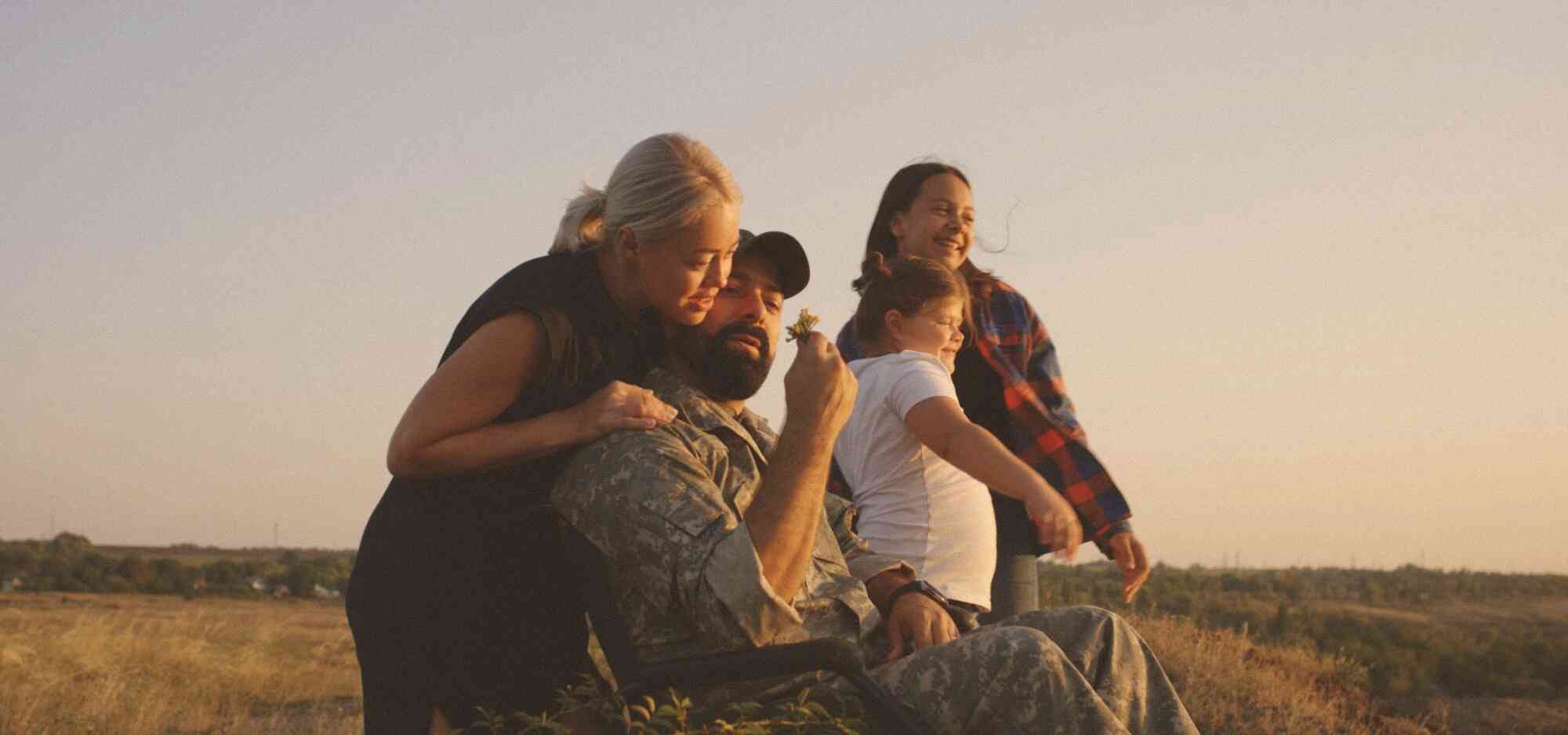
For some service members, transitioning to civilian life is planned and welcomed. For others, especially those who are medically separated or retired before they are ready, the transition can bring a profound loss of purpose, identity, and community.
And when a military career ends unexpectedly, the impact reaches far beyond the individual wearing the uniform. It reaches the people who love them, care for them, and help them navigate what comes next.
Because a service member's journey is never traveled alone, this sudden shift can quickly reshape the home, turning shared life into a new journey of caregiving.
When One Transition Becomes a Family Transition
A military caregiver is simply anyone, including a spouse, parent, sibling, child, or close friend, who walks alongside a service member or veteran as they navigate health or life changes. They are the ones providing steady support, quiet encouragement, and everyday care.
That might look like managing medical appointments, coordinating services, helping with daily routines, or being the emotional anchor through difficult days and mental health challenges. Many do not live with the person they support or even identify with the word caregiver; they are simply family and friends being present when it matters most.
When a service member leaves the military, these responsibilities may become more complicated. A caregiver may now be supporting a veteran through the loss of a career they loved, helping them rediscover purpose, and managing the emotional and practical demands of caregiving at the same time.
While attention often turns toward helping the veteran find their footing, the caregiver is also experiencing a transition. This part of the story is easy to overlook when so much energy is directed toward supporting someone else.
Caregivers are not simply supporting characters. They are people experiencing meaningful changes of their own, often while carrying responsibility for the wellbeing of the entire family, including the silent grief of the future they built together suddenly slipping away.
Getting started with BetterHelp is simple:
- Take a short questionnaire. Answer a few quick questions about your goals, preferences, and the type of therapist you’d like to work with.
- Get matched quickly. In most cases, you can be matched with a licensed provider in as little as 48 hours.
- Start therapy on your terms. Schedule sessions by video, phone, or live chat, and join from anywhere you have an internet connection.
Finding the right therapist isn’t just important – it’s everything.
Find your matchGrieving the Future That Was Planned
When people talk about military transition, the focus is often on finding a new career, adjusting to civilian life, and rebuilding a sense of purpose. But there is another change that can be harder to name. It is the future the family thought they would have.
Perhaps a spouse imagined another overseas assignment and raising children within the familiar rhythms of military communities. Perhaps a parent imagined their service member continuing a career they were proud of. A sibling or close friend may never have expected that caregiving would become such a significant part of their relationship.
When a military career ends unexpectedly, the entire family’s plans change alongside the career itself.
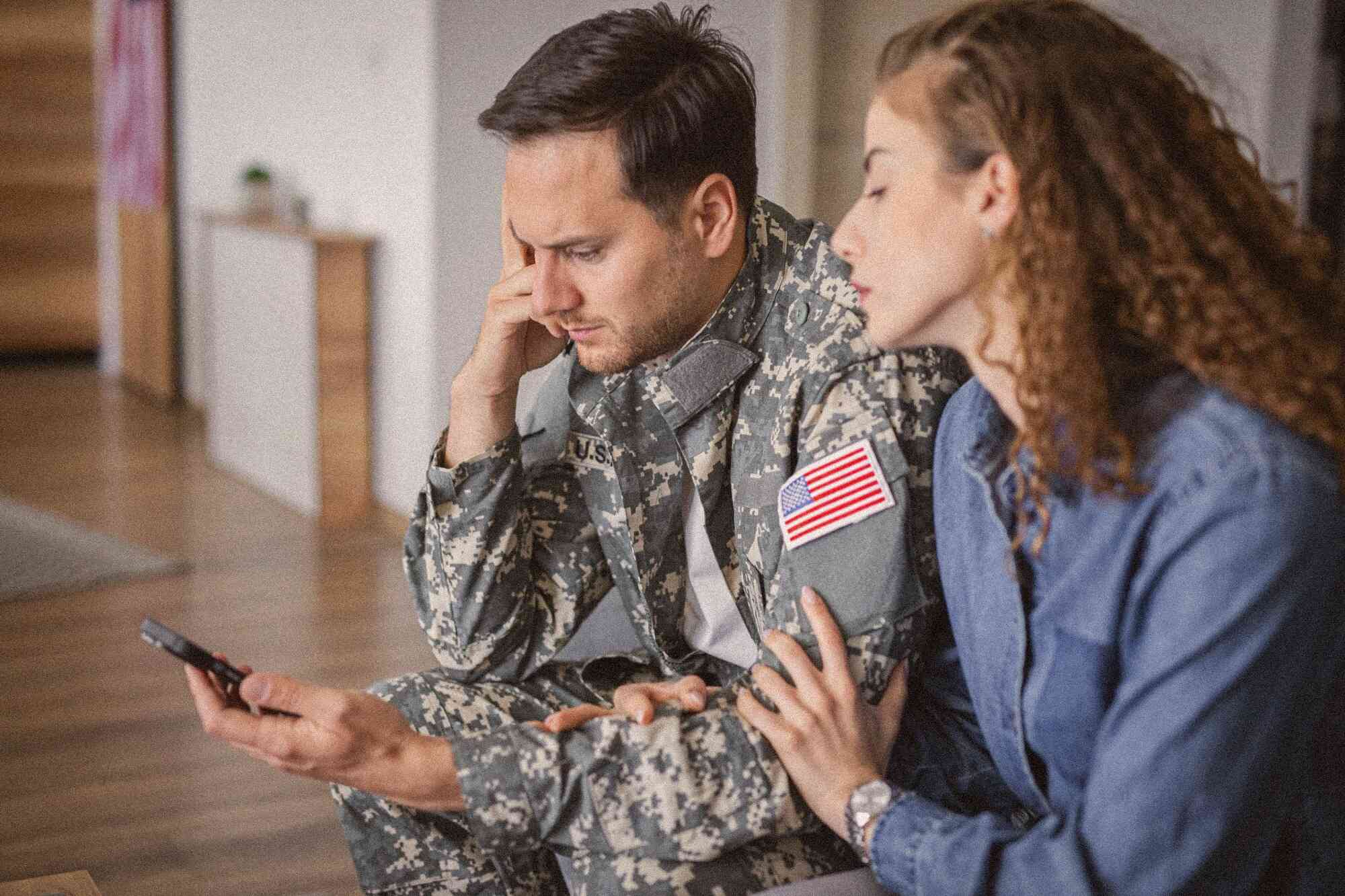
For many caregivers, military life became part of their identity too. They belonged to a community that understood deployments, separations, reunions, and the unique experience of military family life. When that chapter ends, the caregiver may lose that community as well. Friendships, familiar resources, and a sense of belonging may suddenly feel further away.
Meanwhile, the caregiver may be grieving a future that is no longer attainable while supporting a veteran who is grieving their own losses while coping with new physical or mental health concerns.
These feelings can coexist with love, gratitude, and hope. A caregiver can want the best for their veteran and still feel sadness about what has changed. Acknowledging that grief is not a failure to move forward. It is an opportunity to recognize what mattered and begin making room for what comes next, even as the demands of a new reality begin to take shape.
The Invisible Work of Starting Over
Civilian life can bring unfamiliar systems, different expectations, and communities that do not always understand military family experiences. The effects of invisible wounds may not be apparent to neighbors, colleagues, or extended family members.
Behaviors shaped by military service, trauma, or mental health challenges may be misunderstood, leaving caregivers to explain, anticipate, reassure, and adjust behind the scenes.
Caregivers may coordinate care, watch for changes in mood, encourage difficult conversations, and try to keep household routines steady. They may carry concerns about their veteran's wellbeing while quietly setting aside their own worries.
Much of this work goes unseen, resulting in a sense of “invisible labor.” There may be little recognition of the hours spent managing care or the emotional energy required to support someone through a difficult day.
And being accustomed to carrying responsibility does not mean the responsibility is light, which is why the caregiver's wellbeing cannot be an afterthought.

Making Room for the Caregiver Too
Supporting a veteran through transition does not mean a caregiver must set aside their own identity, relationships, or emotional needs. Caregivers deserve space to reflect on what they have experienced, acknowledge what they have lost, and consider what they want their lives to look like in this next chapter.
Therapy
Personal therapy can offer a safe space to process grief, navigate changing roles, and develop strategies for managing the emotional demands of caregiving. Seeking support is not a sign of weakness. It is one way to strengthen the whole family by recognizing that every person is affected by transition and deserves care.
Online therapy, with platforms such as BetterHelp, can be helpful for those who cannot get to in-person appointments, for caregivers or managing multiple appointments, or anyone who would prefer connecting with a licensed therapist from the comfort of their own home.
To help make mental health support more accessible, BetterHelp has partnered with the Military and Veteran Caregiver Network (MVCN) to develop meaningful mental health resources and provide a number of therapy vouchers for caregivers within their community. Those interested in accessing this support can connect directly with MVCN at info.mvcn@redcross.org to learn more about availability.
Community support
Peer support offers another meaningful connection. Talking with another military caregiver who understands the unspoken parts of military life and caregiving can bring relief. There is comfort in not having to explain why a change in plans feels like grief, why a veteran's difficult day affects the whole household, or why leaving military life can mean losing a community that felt like home.
The Military and Veteran Caregiver Network (MVCN) is dedicated to fostering these vital connections and supporting whole-family wellbeing. Through peer support programs, MVCN creates welcoming spaces where caregivers and veterans who are caregivers can find understanding, share experiences, and connect with a community that truly recognizes the unique challenges of transition.
Finding a Way Forward Together
There is no single way to experience the transition from military to civilian life. Some families welcome the change. Others face it unexpectedly. Many experience relief, uncertainty, grief, and hope, sometimes all at once.
For military and veteran caregiving households, transition is rarely just about leaving a career behind. It can mean adapting caregiving responsibilities, supporting a loved one through the loss of a familiar identity, grieving a future that looks different than expected, and finding a new sense of belonging.
Recognizing the caregiver's experience allows us to see the whole family, not just the person transitioning out of service. The people who provide care are also adjusting, learning, and finding their way forward. Their identities matter. Their experiences deserve to be heard. Their wellbeing deserves attention.
Takeaway
When military life changes, the caregiver's life changes with it. By making room for caregivers to be supported alongside their veterans, we help families build a future that makes space for everyone's wellbeing. No one should have to navigate this next chapter alone.
- Next Article
This article provides general information and does not constitute medical or therapeutic advice. Mentions of diagnoses or therapy/treatment options are educational and do not indicate availability through BetterHelp in your country.
BetterHelp insurance availability, coverage, and cost may vary by state, plan, provider network, therapist availability, and deductible status.