Why Is Traveling Important? Expanding Your Comfort Zone For Mental Health
Travel can be an enriching and rewarding undertaking, allowing us to engage with diverse cultures, have new experiences, build connections, and learn more about the world around us. The act of traveling can have a positive effect on our well-being, potentially improving our cognitive, emotional, physical, and spiritual health. In this article, we’re discussing the importance of travel, providing an overview of its benefits, and outlining ways you can get on the road more frequently.
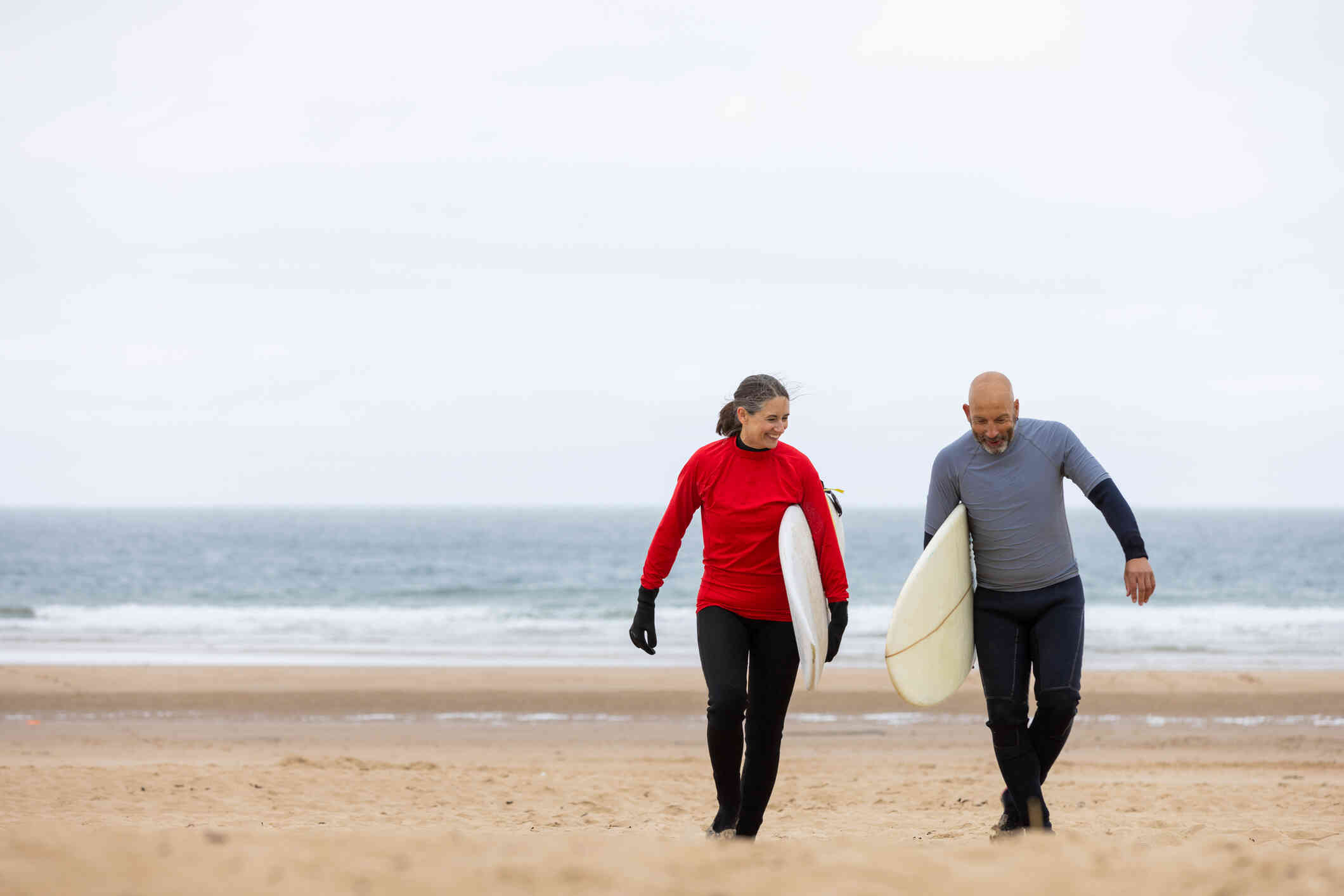
Why is traveling important? New languages, new cultures, and new memories
Data suggests that people are increasingly making travel a priority in their lives, which might make sense when you consider its potential benefits. Exploring the world can challenge travelers, provide them with insights into other people’s lives, and help them grow. The following are some of the reasons why traveling may be important.
Learning new languages
Travel can give you the opportunity to communicate in a new language, whether you’re attempting to speak Portuguese in Brazil or Mandarin in China. There is evidence that learning a new language can provide various cognitive benefits. For example, research suggests that language learning can improve academic performance, attention, memory, and communication skills. Speaking a different language can also help you connect with locals on a deeper level.
Exploring new cultures
For many, the joy of traveling lies in discovering the customs, food, architecture, art, and history of a place. For example, someone who is accustomed to a large US city—potentially marked by a fast pace and individualistic attitude—may gain a new perspective while visiting a small town in Portugal where the residents may emphasize slow, communal living.
Making new memories
Looking back on past trips, you may have a trove of experiences that remain special to you. Travel memories can inspire, motivate, and even comfort you. They may encourage you to plan a trip, remind you of loved ones, or simply make you smile when you’re feeling down. Often, travelers keep journals, take pictures, and maintain scrapbooks to preserve these memories.
The mental health benefits of travel: Expanding your mind and comfort zone
The following are some of the potential mental health benefits of travel.
Getting out of your comfort zone
When we’re home, we tend to get into routines—patterns that can serve us well at times but also prevent us from challenging ourselves. When we travel, though, we often must change the way we do things, whether that involves sleeping in a tent, eating unfamiliar foods, or speaking a new language. Leaving your comfort zone can help you develop self-sufficiency, confidence, and adaptability.
Promoting relaxation
Distancing yourself from the stresses of everyday life can significantly benefit your well-being. Traveling provides you with the opportunity to take a break from the demands of your job. Many people travel specifically to unplug, trading laptops and phones for books and leisurely walks. Wellness retreats centered around relaxation seem to be increasingly popular among travelers.
Opening your mind
While engaging with an unfamiliar place, you may be exposed to a range of new ideas. Traveling can open your mind to different ways of communicating, working, building relationships, or enjoying leisure time. For example, some travelers develop a new perspective on life after visiting a place where the people prioritize family time over work.

Fostering happiness through anticipation
If you’ve ever spent time researching destinations, planning excursions, or reading books and watching movies about exotic locales, you likely understand how exciting trip planning can be. In fact, many people have noted that planning a trip can be as fulfilling as the act of travel itself. Research shows that the mere anticipation of travel is linked to increases in happiness.
Building mental resilience
Traveling often involves solving problems, whether they’re related to organization, speaking a different language, or addressing logistical concerns. Working through these challenges can help you develop mental fortitude. Travel can also foster creativity, with research showing that it promotes cognitive flexibility—the ability to adapt one’s thinking and consider multiple viewpoints simultaneously.
Improving physical health
Whether you’re exploring city streets or hiking through remote landscapes, you’ll likely be moving your body frequently while you’re traveling. Staying active on the road can improve your mental health via the mind-body connection, through which emotional and physical well-being are linked. While exploring new places, you may also taste ingredients and dishes you haven’t eaten before. This can help you diversify your nutritional intake, a practice that has been shown to reduce the risk of disease.
The challenges of travel
While traveling can be a fulfilling experience, it can also involve certain pitfalls that may impact your well-being in various ways. Research shows that 11.3% of travelers experience symptoms of a mental disorder while traveling. Stress can be a common factor, as the logistical challenges of travel can cause strain, especially when something goes wrong (e.g., flight delays). People living with depression, anxiety disorders, bipolar disorder, or other conditions may also experience symptoms due to disruptions in their schedules, trouble finding healthcare, or other complications.
For some people, travel may lead to financial strain, especially if they have not budgeted for expenses like hotels, transportation, and food. For others, the desire to have perfectly curated travel experiences may lead to stress or feelings of disappointment. Many people want to emulate travel-based social media influencers who may be enjoying luxurious trips or visiting aesthetically pleasing locales. If their experiences aren’t comparable, this can lead to sadness or self-criticism.
How to travel more
If you’re interested in enjoying the benefits of travel, there could be several steps you can take to start reaping these benefits. You might start by exploring your own city or region in more depth. Consider visiting landmarks, restaurants, natural landscapes, or other notable sites you haven’t yet seen. You might even plan a staycation, spending a weekend in a local hotel and gaining a fresh perspective on your community.
Having flexible travel dates and times can also save you money. Consider planning travel during off seasons, possibly avoiding the crowds that can gather during peak times. For example, you might consider visiting the Mediterranean during October or November when the busy season is long past. You may also want to avoid booking accommodations or transportation on weekends or holidays, which can be more expensive. Additionally, many hotel chains and airlines have loyalty programs that you can join. By signing up for these programs, you can earn points or miles that can be used for discounted—or even free—hotel rooms or flights.
Practicing self-care while traveling
Taking care of yourself can be crucial when you’re on the road, as disruptions to your routine, jet lag, and physical strain can impact your well-being. Try to maintain a self-care regimen while you’re away, incorporating healthy practices into your itinerary. For example, a great way of exploring a city is by going for a run or long walk; or you can learn about the area’s cuisine by eating healthy local foods. Additionally, meditation, yoga, deep breathing, and other relaxation techniques can help you unwind from the potential stress of traveling.
Ensure you’re also drinking plenty of water, as air travel and changes in weather conditions can be dehydrating. Try to stretch frequently, particularly if you’re spending a lot of time in planes, cars, or trains. If you’re crossing time zones, try to adhere to the sleeping and eating schedule of your destination so that you adjust as quickly as possible. You can also address jet lag by exposing yourself to plenty of natural light, staying active, and avoiding caffeine or alcohol.
How to work with an online therapist while traveling
If you’re on the road, it may be difficult to meet with a mental health professional regularly. Online therapy solves this problem by allowing participants to connect with a therapist remotely.
Asking an online mental health professional, “Why is travel important?”
With an online therapy platform like BetterHelp, you can talk to a licensed mental health provider from almost anywhere in the world, through video call, voice call, or in-app messaging. Online therapy can also be an affordable option. BetterHelp memberships start at $70 per week (billed weekly or every four weeks), which can help you save for your next trip. Subscription pricing is based on factors such as your location, referral source, preferences, therapist availability and any applicable discounts or promotions that might apply.

The efficacy of online therapy
Studies show that online therapy can be a useful tool for providing mental health care to people in locations around the world. In one broad-based review of studies, researchers concluded that online therapy is an effective form of treatment for various mental health conditions that “is useful in rural and urban settings, across various languages and cultures, and on a global scale”. The review also notes that online therapy can be a cost-efficient intervention.
Takeaway
How does traveling benefit you?
Traveling can have many benefits. Not only does it feel good to go on vacation, but it can improve your mood to see other places and try new foods. Moreover, when you start planning your trip, it can give you something to look forward to, which might also reduce stress and have a positive impact on your mental health.
What is the real purpose of traveling?
People may have different purposes for traveling, all of which are valid. Many people travel to experience different cultures. Others may want to create memories or meet new people. In the case of people studying abroad, international travel helps them learn new skills.
Why does travelling make us happy?
Travelling might make different people happy for different reasons. Most people enjoy a break from the routine of daily life and a change of scenery. Traveling can also be a great opportunity to break bread with new friends and learn about how people live in different areas of the world.
Why do humans need to travel?
Humans may need to travel for different reasons. Sometimes, there’s a practical reason such as business travel, for instance. An article published in National Geographic argues that travel is essential for the soul. Others may say travel is necessary in order to keep our lives from becoming boring or stale.
Is travelling good for mental health?
Yes. Studies show traveling can improve mood, reduce stress, and even improve cognitive flexibility. All this can depend on the person, though, as well as their circumstances and reasons for travelling.
Is travelling worth the stress?
Whether travelling is worth the stress can be a personal decision. Still, millions of people travel every year for leisure, suggesting that it’s generally considered worth it.
Does traveling fix depression?
No. While travelling might boost mood temporarily and even contribute to personal growth, it’s not a cure for depression or any other mental health condition.
How does traveling influence your mindset?
Travelling may affect people’s mindsets in different ways. Generally, travelling tends to open people’s minds to new possibilities and perspectives. Learning about how other cultures go about daily life can make a person re-evaluate their own priorities and lifestyles.
How does travelling affect personality?
Travelling could affect someone’s personality in various ways. For example, it could increase self-confidence, make them more tolerant, and improve social skills.
Is travelling a coping mechanism?
Yes, travelling can be a coping mechanism, but it depends on the person. Generally, travel may be a healthy way of coping with the stress of daily life, but like anything else, it can become unhealthy in excess.
- Previous Article
- Next Article