Cultural Competence In Therapy: Inclusive And Culturally Sensitive Health Care
For a person of any race, gender, ethnicity, sexual orientation, or cultural identity, therapy is a tool that can be used for mental health and personal well-being. Culturally competent therapists are trained to ensure that each client's unique values, beliefs, perspectives, and experiences are taken into consideration during the treatment and healing process. When health professionals lead with compassion and understanding, it can lead to more beneficial results for patients and communities. Here, we’ll take a closer look at what cultural competence in therapy can look like and share how you can find a culturally sensitive provider to meet with.

What is cultural competence in therapy?
A culturally competent counselor is a professional who has special training in actively seeking to understand and respect each client’s cultural beliefs, values, and identity during sessions. As well as actively listening to clients and avoiding assumptions, therapists may ask open-ended questions to better understand where an individual is coming from. When a therapist understands how a client’s culture shapes their communication, mental health, and relationship patterns, they may be able to better tailor treatment interventions to fit the client’s needs.
Training that promotes culturally sensitive health care
In order to be able to offer culturally competent care, healthcare professionals often undergo some form of cultural competence training. These trainings often involve topics like learning to interact effectively with diverse populations, recognizing unconscious biases, expanding cultural knowledge, developing ways to adapt interventions for minority health, and more. In addition, supplemental materials are available to help expand provider knowledge of culturally sensitive practices, such as this guide from the Substance Abuse and Mental Health Services Administration.
The role of cultural knowledge in building trust
When therapists take the time to understand their patients—such as by learning about their traditions, cultures, and life experiences—it can help build a strong therapeutic relationship and enhance treatment outcomes. Research suggests that culturally competent therapy may improve communication, trust, and treatment efficacy. Efforts to invest in cultural knowledge and awareness may also benefit the wider community, since it allows all kinds of people to get the care they may need.
That said, not all therapists are trained in cultural competence—even those that live in areas with diverse populations. Making cultural sensitivity training more widespread for healthcare providers of all types can be a step toward health equity and improved well-being for all.
Knowledge vs. assumptions
Assumptions about an individual are often based on unconscious biases or preconceived notions. These assumptions can lead to misunderstanding and miscommunication. When therapists approach clients with an open mind instead—such as by asking thoughtful questions before drawing conclusions—it may lead to greater trust, better understanding, and more effective support. That’s why cultural competence training usually emphasizes knowledge-gathering and the ability to recognize and push back against one’s own assumptions.
The relationship between culture and mental health
The state of someone's mental and emotional well-being is thought to be determined by an interplay of social, environmental, genetic, and cultural factors. When it comes to cultural factors in particular, these can influence how people view mental health—including their own mental health or the healthcare system as a whole.
How culture and shared experiences can shape trust in mental health care
As an example, consider the statistic that 51% of Black Americans say they believe the US healthcare system was designed to hold Black people back. This belief likely stems from the healthcare field’s long history of abuse and exploitation of Black individuals as well as continued instances of individual and systemic discrimination in healthcare today. Unsurprisingly, such beliefs can affect help-seeking behaviors and overall health of individuals and communities.
Addressing the underlying structural problems will likely be a necessary component of changing this reality—but in the meantime, healthcare workers may take this context into account when caring for Black patients. This component of cultural competence could take the form of validating an individual’s feelings on this topic and acting compassionately if an individual shows hesitance or mistrust of the healthcare system or processes, for example.
Common barriers to mental health care among people of marginalized identities
In addition to the challenge of finding a culturally competent therapist, people who hold marginalized identities may face other barriers to health care, including:
- Fear of judgment or stigma for seeking therapy
- Lack of representation in the healthcare system, especially for those seeking racial or ethnic concordant (same race/ethnicity) therapists
- Limited ability to seek proper care due to financial, geographic, or structural barriers, which disproportionately affect those of marginalized communities
- Anxiety about sharing lived experiences with a provider who may not understand or respect them
- Lack of accommodation of cultural differences, including language barriers or a provider’s unwillingness to engage in cultural competence practices
- Experiences of or fear of discrimination in the healthcare system
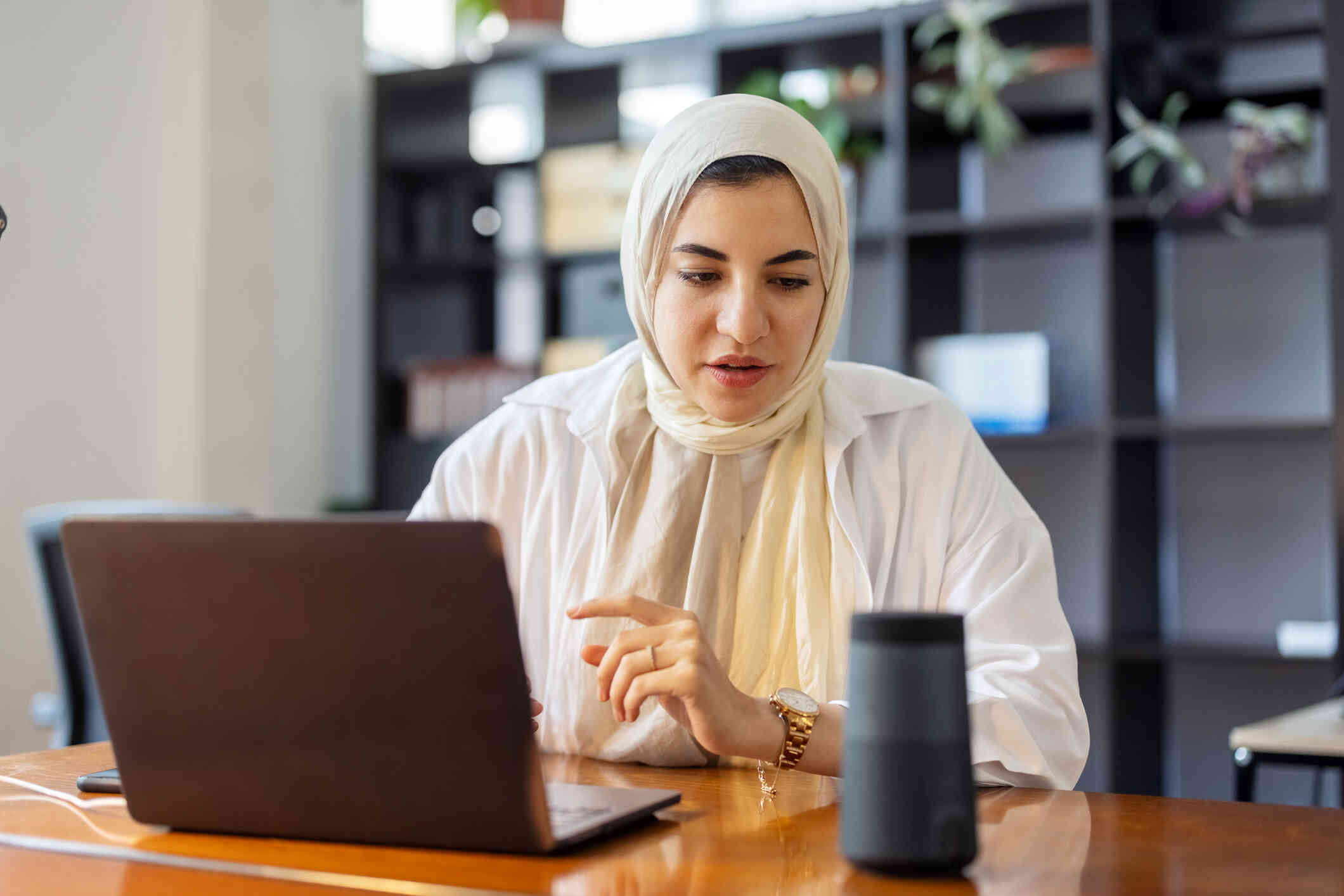
Culturally informed assessments and diagnoses
Culture can also impact mental health assessments and diagnoses. Standardized assessments, for example, are often normed on dominant or prioritized cultures and may not be as relevant or effective for minority populations. Other limitations may include a lack of availability in different languages or differences in learning styles across cultures. Being aware of and catering to these types of diversity can be another part of cultural competence.
Mental health screenings for diverse populations
While some limitations are structural and therefore difficult for individual providers to address, there are ways that healthcare professionals can work to reduce disparities in care for individuals of marginalized identities. For example, by using a diverse range of assessment tools along with patient feedback, providers may be able to give a more accurate mental health diagnosis for a given client.
Promoting cultural awareness and knowledge in health care
For a mental health professional, cultural awareness typically involves active reflection, ongoing learning, and practical experience. These components may empower them to find ways to respect the experiences of clients of all identities and tailor treatment to each person’s unique needs.
For instance, to create an effective treatment plan, research suggests that providers might aim to openly discuss and hear from a patient about how their culture, race, gender identity, ethnicity, sexual orientation, or other aspects of their lived experiences may impact their mental health. Through open dialogue, healthcare professionals can often better shape their treatments to reflect and respect the needs of each client.
Ways to improve cultural knowledge in healthcare settings
Promoting cultural knowledge, sensitivity, and other key skills among mental health professionals can involve things like:
- Cultural competency training: These types of training can equip healthcare providers with the skills and knowledge to deliver inclusive, culturally competent care to diverse populations.
- Diverse workforces: This component can involve hiring healthcare professionals from varied backgrounds and who may speak multiple in-demand languages to enhance communication, trust, and treatment effectiveness across cultures.
- Community engagement: This part can include celebrating cultural diversity through inclusive decor, accessible spaces, community outreach programs, and other efforts to connect with community perspectives.
- Culturally sensitive materials: Finally, it can help to provide educational materials, signage, and medical instructions in multiple languages to improve patient understanding.
When cultural awareness and knowledge are ingrained in all elements of healthcare settings, it may help improve both quality of treatment and overall well-being for all who participate.
Finding culturally sensitive therapy online
While culturally competent therapy can be beneficial for diverse populations, it’s not always easily available—especially for those living in rural regions or provider shortage areas. In such cases, turning to virtual care can be a convenient alternative.
With a platform like BetterHelp, individuals can connect with a licensed therapist from any location. Plus, BetterHelp’s network of over 30,000 providers means that people from diverse cultural backgrounds may be able to find support that meets their needs.
The effectiveness of cultural competence in therapy that’s delivered online
Studies indicate that culturally competent therapy can often be effectively delivered online. For example, research from 2025 suggests that online, culturally adapted cognitive behavioral therapy can be an effective treatment for a variety of conditions, including anxiety and depression. These findings highlight the ability of online therapy to support diverse populations.
Takeaway
What is a therapist understanding of cultural competence?
A therapist’s cultural competence can involve awareness of their own biases and good-faith efforts to actively understand and then respect each client’s individual culture and experiences. Cultural competence training can help a therapist build these skills.
What are examples of cultural considerations in counseling?
Cultural considerations can be defined as components of a person’s culture or identity that may impact their views of therapy or their mental health overall. Just a few examples include:
- The country they come from
- The language they speak
- Their cultural background
- Their race or ethnicity
- Their religion
- Their sexual orientation
- Their gender identity
It can also be important to take into account the current social and political context for a person based on their identities. Because each individual can have multiple identities and diverse experiences, multicultural education for multicultural competence in health and human services can be highly important.
How does cultural competence impact the outcomes of counseling sessions?
Having cultural competence as part of standard counselor education is important because this factor can significantly improve treatment outcomes. A professional should generally gain knowledge of and cultural humility around the mental health needs of diverse minority groups, their own personal biases related to certain cultural groups or cultural values, and how to build a strong counseling relationship and therapeutic alliance in cross-cultural situations. As a result, they may be able to make each client feel comfortable, heard, understood, and respected.
Why is cultural competence important in mental health treatment?
Cultural competence, or the ability to effectively engage in multicultural counseling that respects the client’s cultural background, LGBTQ+ identity, socioeconomic status, etc., can be incredibly important for promoting positive treatment outcomes. This approach can help a client feel comfortable and understood by mental health counselors, which can help them keep coming back to get the care they may need.
How to demonstrate cultural competence in therapy?
Counseling trainees or therapists demonstrating cultural competence in a therapy setting can take many forms. Some examples include asking about the client’s cultural background and perspective, respecting their customs, and being open to feedback.
What techniques do you use to provide culturally competent care?
Being able to provide culturally competent care usually requires specific training. This may involve teaching counselors how to recognize their own biases and respect diverse client backgrounds.
How does cultural competence help patients?
Cultural competence can help patients feel more comfortable in a healthcare setting and can also improve the clinician's ability to provide quality care. Whether the patient is seeking treatment for a physical complaint or a mental illness, cultural competence in care can be important.
What is an example of lack of cultural competence in counseling?
A lack of cultural competence in a counseling setting can cause harm. One example is being dismissive of a person's experiences of discrimination based on their ethnic identity or sexual orientation or not recognizing how such experiences could impact the person’s mental health.
How can mental health treatment become more culturally competent?
Increasing the availability and effectiveness of cultural competence training can be an important part of improving cultural competence in mental health care overall. It may also be helpful to require this type of training across various healthcare settings.
Another necessary approach is to address systemic barriers in order to support more Black, Indigenous, and People of Color (BIPOC) in entering the mental health field. That way, more clients can meet with providers who have congruent behaviors and perspectives due to shared experiences. Today, there are directories to help clients find providers who have the same cultural background or share their ethnic identity, LGBTQ+ identity, or other identity, like the National Association of Black Counselors and the Asian Mental Health Collective.
What would reduce the cultural competence of a therapist?
Personal biases can reduce a therapist’s cultural competence. That’s why cultural competence training often includes the teaching of skills to recognize and address one’s own biases.
- Previous Article
- Next Article