Noah Cyrus on How Therapy Saved Her Life: A Like Minded Conversation From BetterHelp
By: Olivier Sinson, Head of Brand Partnerships at BetterHelp
When we set out to make our Like Minded series with Billboard, we had a simple hope. We wanted artists to talk about their mental health the way people talk about it in real life, without a script and without the pressure to seem fine. Our conversation with Noah Cyrus is exactly the kind of honesty we were hoping for, and we think it is worth sitting with. You can watch the full conversation with Noah Cyrus here.
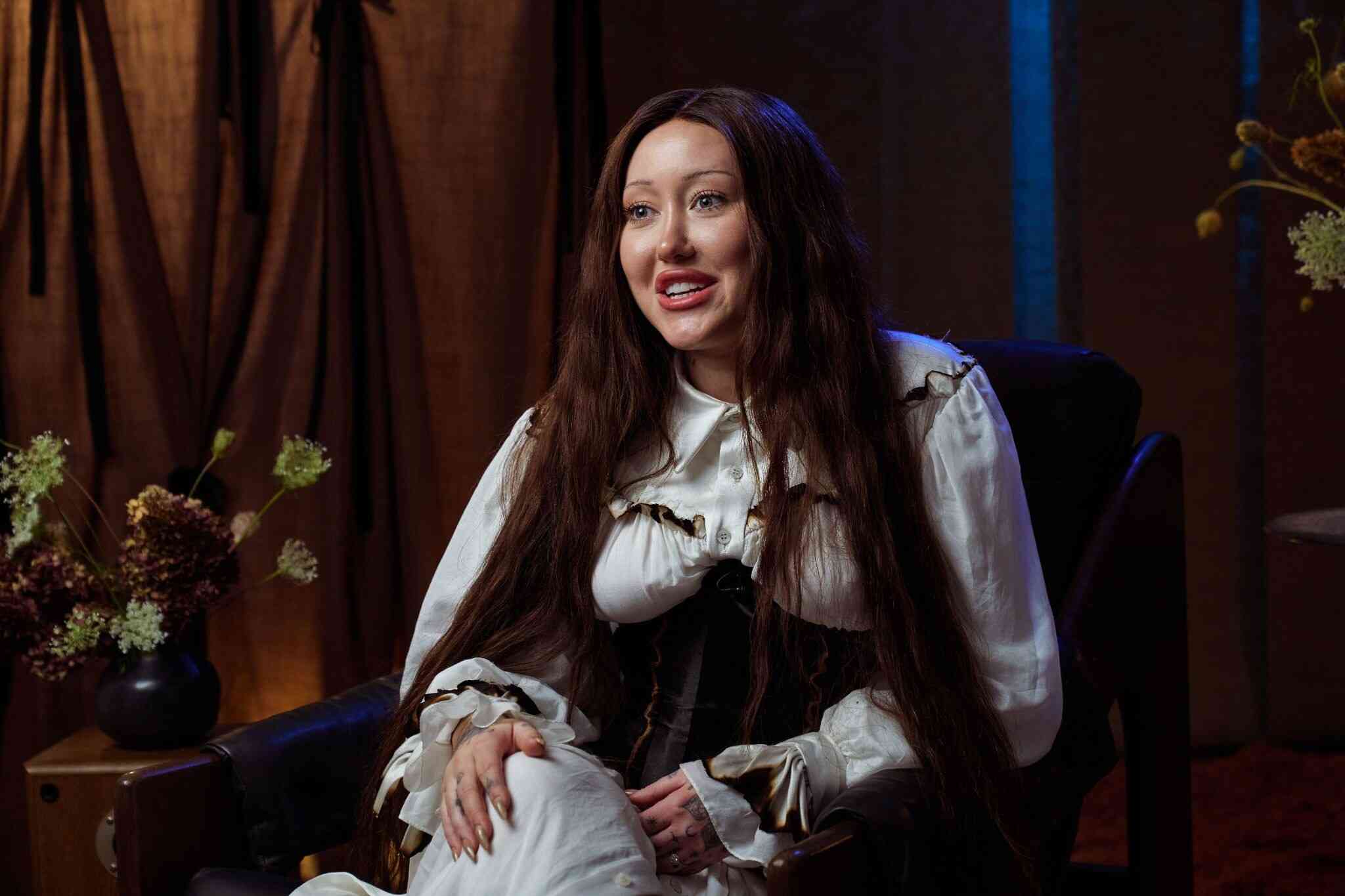
Noah Cyrus during her interview with the Like Minded series. Photo credit: Billboard
Why we wanted to share this one
We met Noah ahead of the Brooklyn stop on her I Want My Loved Ones to Come with Me Tour, at what she describes as one of the better chapters of her life. That timing mattered to us. It’s easy to talk about a hard season once it is safely in the past, but Noah spoke about her lowest points with the same steadiness she brings to her music, and she did it while things were going well rather than in the middle of a crisis.
That combination is rare, and it’s a big part of why we wanted to spotlight this conversation. Noah has never hidden her mental health from her audience. It runs through her songwriting, and it shapes how she shows up in public.
We felt that a person who has already chosen openness deserved a space to go a little deeper, and to connect the dots between the struggle and the recovery. Too often the public only hears the headline version of an artist's hard time, stripped of the slow, unglamorous work that actually carried them through. We wanted to make room for that fuller picture.
The part we keep coming back to
The line that stayed with our team was direct. Noah told us that therapy "completely saved my life." She wasn’t being dramatic. She was describing a specific stretch of her early twenties, a period marked by addiction and by distance from the people who loved her most.
What we appreciated was that she did not treat getting sober as the finish line. "I had a lot to tackle and a lot to uncover," she said, naming the deeper work that came after the first hard step. That distinction is one we care about. Support is rarely a single decision. More often it is a series of smaller choices, made over time, with help.
We also loved hearing how that work shows up in her art now. Describing her latest album, Noah said it is "much more about transitioning and moving forward," a comforting release rather than something painful she is walking away from. It’s a good picture of what steady work on yourself can look like from the outside. Less like a rescue, more like a slow turn toward something better.
Getting started with BetterHelp is simple:
- Take a short questionnaire. Answer a few quick questions about your goals, preferences, and the type of therapist you’d like to work with.
- Get matched quickly. In most cases, you can be matched with a licensed provider in as little as 48 hours.
- Start therapy on your terms. Schedule sessions by video, phone, or live chat, and join from anywhere you have an internet connection.
Finding the right therapist isn’t just important – it’s everything.
Find your matchWhat we hope you take from this
We aren’t sharing Noah's story to suggest that everyone's path looks like hers. It doesn’t, and it shouldn’t have to. What we hope comes through is something quieter. If someone whose life looks enviable from the outside can still name a time when she needed real help, then needing help isn’t a personal failing. It’s simply part of being human.
Stigma tends to work in the dark. It convinces a person that their struggle is unusual, or embarrassing, or something to manage alone. Hearing an artist you admire say plainly that she leaned on therapy can loosen that grip, if only a little. And a little is often enough to make the first call, or send the first message.
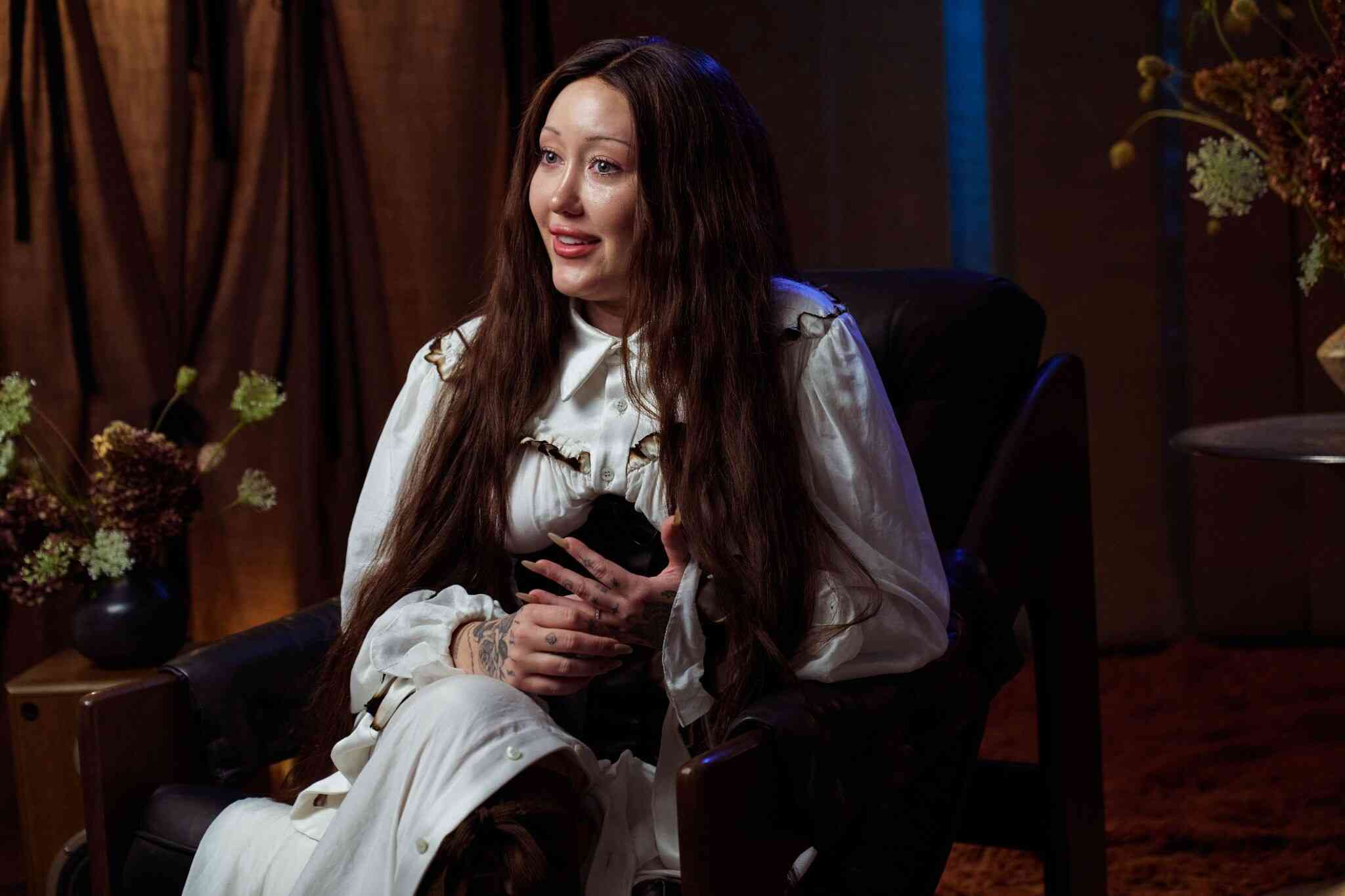
Photo credit: Billboard
We were also struck by how ordinary Noah made the work sound. There was no single breakthrough moment, no tidy before and after. Instead, she described patience, honesty, and the willingness to keep showing up for herself even when it was uncomfortable. That version of recovery is far more common than the dramatic one, and we think it is far more useful to hear, because it is something a person can actually picture doing.
Noah's willingness to speak up puts her among a growing group of musicians and public figures choosing honesty over image. Billboard has covered that shift closely, including in its own reporting on the conversation, and we’re grateful to be part of the reason these stories are reaching more people.
How we think about therapy at BetterHelp
Conversations like this one reflect what we try to do every day. We started BetterHelp in 2013 with the belief that support should be within reach for the people who want it, and that the ordinary hurdles, including cost, scheduling, and the discomfort some feel about a traditional office, should never be the reason someone goes without care.
Today we connect people with a network of more than 30,000 licensed therapists, and we have had the privilege of serving over 5 million people worldwide.
We built the BetterHelp platform to fit real lives, so a person can work with a therapist through messaging, live chat, phone, or video sessions, whichever feels right, from wherever they happen to be.
We keep our subscription pricing steady, generally between $70 and $100 per week, because we know that ongoing care only helps if a person can actually stay with it. We also accept insurance with select major health plans, where eligible members have an average copay of $23 per session.
Subscription pricing is based on factors such as your location, referral source, preferences, therapist availability and any applicable discounts or promotions that might apply.
The same therapy you trust, with the option to use insurance
BetterHelp offers more ways to access online therapy, with insurance options available through providers participating in 125+ health plans. Insurance availability and coverage may vary by state, plan, provider network, therapist availability, and deductible status.
Get startedWe also know that the hardest part is often the beginning. A lot of people carry a private list of reasons not to start therapy, from worrying they are not struggling enough to justify it, to fearing what they might have to face once they do.
Noah named that fear plainly, and hearing her naming it is part of why stories like hers matter to us. When someone sees their own hesitation reflected back by a person they admire, the first step tends to feel less like a leap.
None of that is the point of Noah's story, exactly. Her story stands on its own. But the through line is the same one we care about most. Reaching out should feel possible, and no one should have to carry a hard season alone. That belief is what the BetterHelp team returns to with every conversation we help bring to the series.
A note on getting the right kind of help
We want to be honest about what online therapy is and what isn’t.
It’s a meaningful option for many people, and it’s not the right fit for every situation. Anyone facing a mental health emergency, thoughts of self-harm, or a crisis that needs urgent in-person care should reach out to local emergency services or a crisis line, such as 988, right away.
If you or someone you know is struggling or in crisis, help is available. Text or call 988 or chat 988lifeline.org. Support is available 24/7.
If addiction is part of your own story, as it was part of Noah's, help is available, and it works. The free, confidential SAMHSA National Helpline offers guidance and referrals to treatment and support, and you can reach it here at any hour.
If you are struggling with substance use, contact the SAMHSA National Helpline at 1-800-662-HELP (4357) to receive support and resources. Support is available 24/7.
We’re thankful to Noah for trusting us with something personal, and for reminding all of us of a truth that is easy to forget. The work is hard, the turn toward better is real, and asking for help is one of the bravest things a person can do. If her story gives even one person permission to begin, it will have done exactly what we hoped.
- Previous Article
- Next Article
This article provides general information and does not constitute medical or therapeutic advice. Mentions of diagnoses or therapy/treatment options are educational and do not indicate availability through BetterHelp in your country.
BetterHelp insurance availability, coverage, and cost may vary by state, plan, provider network, therapist availability, and deductible status.