Mental Health Impacts Of Different Forms Of Child Abuse And Neglect
Child abuse and neglect affect children across the world and can take many different forms. The trauma inflicted by abuse can influence mental health, emotional well-being, and development well into adulthood. By understanding the different forms of child abuse, community members may be better equipped to recognize potential warning signs, and survivors may be able to make sense of their experiences and reach out for mental health support.

What are child abuse and neglect?
The American Psychological Association provides definitions of these two terms as follows:
- Child abuse: “Harm to a child caused by a parent or other caregiver. The harm may be physical (violence), sexual (violation or exploitation), psychological (causing emotional distress), or neglect (failure to provide needed care).”
- Child neglect: “The denial of attention, care, or affection considered essential for the normal development of a child’s physical, emotional, and intellectual qualities, usually due to indifference from, disregard by, or impairment in the child’s caregivers.”
Child neglect is always abuse, but child abuse doesn't always involve neglect. It's also possible for a child to be subjected to multiple forms of abuse, such as physical and sexual abuse, or psychological abuse, along with neglect.
Statistics about abuse of children
Reviewing statistics about child abuse can help highlight the gravity of this public health issue. Consider the following numbers from the National Children’s Alliance:
- It’s estimated that one in four girls and one in 13 boys will experience child sexual abuse.
- More than 550,000 children are known by US authorities to have been abused in 2022.
- Almost 2,000 children in the US died from neglect or child abuse in 2022.
- Almost half of children in the United States experience at least some kind of childhood trauma.
Forms of child abuse and neglect
Child maltreatment and neglect can take a variety of forms. See below for a brief overview of some of the more common forms of abuse, each presenting different signs and impacts.
Physical abuse
Physical abuse is when intentional force is used to cause injury or other bodily harm to another person. Physical child abuse is when this action—often in the form of hitting, slapping, shaking, or pushing—is directed towards a child.
Emotional abuse
While often harder to detect, emotional abuse is thought to be one of the most common forms of abuse. It can include any non-physical actions intended to inflict emotional harm. Examples can include things like verbal attacks, persistent criticism, rejection, manipulation, threats, or intimidation.
Sexual abuse in children
Childhood sexual abuse usually involves engaging a child in sexual contact or behavior, though it can also take other forms, like forced exposure to pornography, for example. In many cases, the perpetrator of sexual abuse is known and trusted by the child, whether it’s a parent, a relative, a family friend, or even a sibling. While spotting the signs of childhood sexual abuse isn’t always straightforward, there are certain indicators that a child may be experiencing sexual contact, including seemingly random changes in behavior (e.g., suddenly becoming withdrawn or clingy), avoiding the abuser, or showing sexually inappropriate behavior.
Neglect is one of the forms of child abuse
Neglect, which may or may not be intentional, is a form of abuse where parents or caregivers fail to meet a child’s basic needs. Neglect is common among populations experiencing poverty, as individuals living with this form of emotional trauma may not have enough basic resources (such as food, safe housing, and healthcare) to provide to their children. Neglect can also happen to children whose caregivers are living with a serious mental or physical illness and are unable to provide adequate care for this reason. For these reasons, neglect is often seen as a systemic problem.
Some forms of neglect include:
- Physical neglect: choosing not to or being unable to provide basic needs, like shelter and food
- Medical neglect: being unable to pay for healthcare or ignoring a child's health needs
- Educational neglect: failing to enroll a child in school or support their learning needs
- Emotional neglect: declining to give children the care or emotional support they need
Potential impacts of neglect and physical, emotional, or sexual abuse
The abuse and neglect that a person may experience in earlier life can continue to affect them into adulthood, particularly if they don’t receive mental health treatment. While not always immediately visible, childhood traumas and experiences may manifest in various aspects of everyday life.
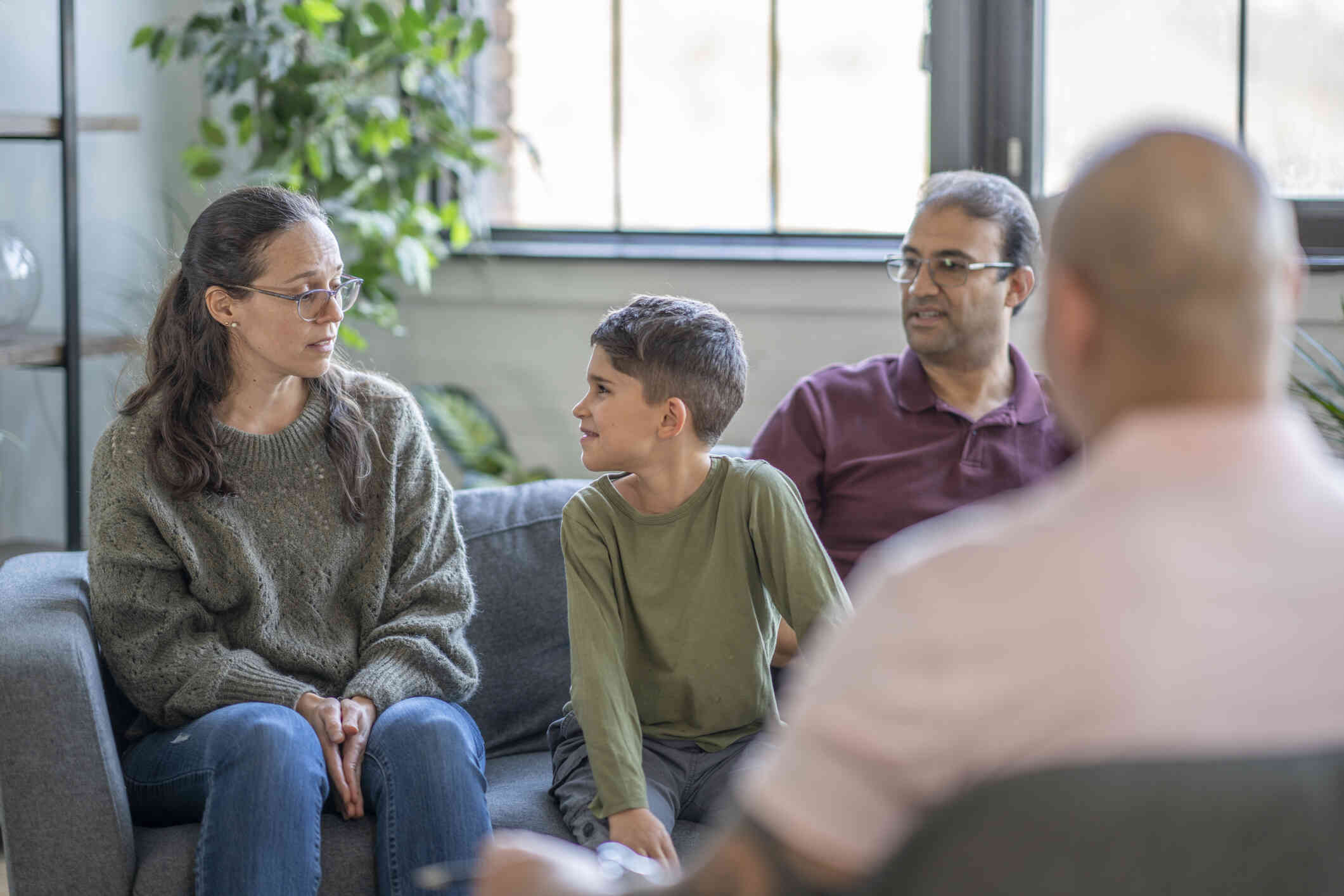
Possible effects of child abuse and neglect during childhood
A child may show a variety of negative impacts from experiencing abuse depending on many factors, such as the type and duration of the abuse, who perpetrated it, and whether the child has any additional risk factors or protective factors. That said, an abused child could be at risk of things like:
- Developmental delays
- Anxiety
- Post-traumatic stress disorder (PTSD)
- Nightmares and other sleep problems
- A behavioral disorder like reactive attachment disorder
- Acting out
- Withdrawing socially
- Physical injury
Possible effects of child abuse and neglect in adulthood
Particularly if their past experiences are not addressed, a child could continue to live with negative impacts well into adulthood. For example, adults who experienced abuse during their childhood may be more likely to:
- Experience mental health challenges, such as anxiety, depression, and PTSD
- Struggle with substance misuse (formerly “substance abuse”)
- Find it difficult to maintain meaningful relationships and build trusting connections
- Develop chronic physical illnesses, like asthma or an autoimmune disease
- Have problems with attention and memory, potentially impacting education and employment
Trauma-informed care for child abuse and neglect survivors
Trauma-informed care involves healthcare providers being informed about the signs and potential impacts of various types of trauma and providing care that helps address these while avoiding re-traumatization. It’s about understanding and being sensitive to what a person has been through and how it has impacted them so the effects can be meaningfully addressed.
For example, talk therapy with a trauma-informed clinician can be a safe space where a person can gain trust in their provider over time in order to speak about and get compassionate care for what happened to them. A therapist, counselor, social worker, or other health and human services provider who is trained in this way can guide the individual in processing their feelings and experiences, navigating grief, cultivating self-compassion, developing healthy coping mechanisms, and building skills for healthy future relationships.
Child abuse prevention
Various forms of individual talk therapy can also equip parents, foster parents, and guardians to recognize their own patterns and process their own past experiences in order to be the best caregivers they can be.
In addition, other approaches that may help prevent child abuse can include:
- Educating parents, teachers, and other community members on how to recognize signs of abuse and how to take action to address suspected child abuse, whether that’s calling Child Protective Services or another approach
- Teaching younger children and adolescents alike about boundaries, appropriate vs. inappropriate touch, and speaking up when something doesn’t feel right through recurring, age-appropriate conversations
- Spreading awareness about child abuse-related topics like shaken baby syndrome
- Advocating for widespread availability of resources to meet people’s basic needs (e.g., food, safe housing, healthcare, education, etc.)
Finding support for healing from past abuse
If you've experienced trauma of any kind, you deserve to receive compassionate and trauma-informed support from a qualified provider. There are many different ways to seek out this type of care.
First, local or online support groups for child abuse survivors can be helpful resources. Second, finding a licensed therapist with the right expertise in your area or online could be beneficial. To find a therapist in your area, inquiring with your insurance company, asking your doctor for a referral, or using an online directory could be useful. Or, if you feel more comfortable meeting with a licensed therapist from home, you might explore online therapy. BetterHelp may be covered by your insurance plan — co-pays average about $19/week for eligible members. *Coverage varies by plan, provider, and therapist availability. If online therapy with BetterHelp is not covered, our flexible subscription model remains an option for quality care from an extensive therapist network, with subscriptions priced at $70- $100/week.
Many providers on BetterHelp now accept major insurance carriers. In many states, certain therapists on BetterHelp may be in-network with certain insurance plans. Coverage depends on your plan, provider, and availability.
When sessions are covered, members typically pay an average copay of about $19 per session. Check your in-network status on the BetterHelp site. Coverage varies by state and provider availability.

Exploring online therapy
Online or virtual therapy involves meeting with a licensed therapist remotely, from anywhere you have an internet connection. With an online therapy platform like BetterHelp, sessions can take place via phone, video, and/or in-app messaging, depending on your comfort level. You can also switch therapists at any time for no additional cost until you find the right fit. Research suggests that online therapy can often be as effective as in-person care for treating symptoms of post-traumatic stress disorder and other mental health concerns.
Takeaway
How can childhood abuse affect your mental health?
Childhood abuse typically increases a person’s risk of developing a variety of mental health disorders later in life. It may also increase their risk of experiencing certain medical conditions.
Child sexual abuse, verbal abuse, and other forms of intentional harm perpetuated by parents or other adults, such as a religious leader or teacher, often leave lasting effects and can greatly impact a child’s behavior and brain development. Not all types of abuse leave physical signs like head injuries and bruises. While legal definitions vary by location, it’s vital to report abuse if you believe it is occurring. For example, if a child often has “accidental” injuries and you suspect they are actually signs of abuse, it’s recommended to report the situation to the relevant authorities.
What mental disorders are caused by childhood abuse?
Childhood abuse is a risk factor for a variety of mental disorders, including the following:
- Posttraumatic stress disorder
- Anxiety disorders
- Depression
- Borderline personality disorder
- Substance use disorder
- Eating disorders
- Dissociative identity disorder
Those who have experienced abuse as children may also be more likely to experience abuse as an adult. This can lead to toxic stress and other consequences.
What personality disorder is most likely to occur from abuse in childhood?
Research suggests that many (but not all) people with borderline personality disorder have experienced childhood abuse. Please note that this does not mean that all people who have experienced abuse as children will go on to develop borderline personality disorder.
How does childhood trauma show up in adults?
Childhood trauma frequently contributes to depression and anxiety disorders in adulthood. It may lead to low self-esteem and difficulty with emotional regulation as well.
How do you tell if a child has been traumatized?
A few signs of trauma in children include the following:
- Changes in eating and/or sleeping habits
- A sense of helplessness
- Separation anxiety
- Developmental regression
- Being easily startled
- New fears
- Repetitive play
Most children who have experienced trauma benefit from meeting with mental healthcare providers who can offer personalized treatment.
What is the best treatment for childhood abuse?
Trauma-focused cognitive behavioral therapy can be helpful for older children and adults. Younger children may benefit from modalities like play therapy and art therapy.
Does childhood abuse ever go away?
Childhood abuse may not “go away,” but it’s possible to heal after traumatic experiences. Mental health support provided by a licensed professional can make a significant difference.
How do therapists treat childhood trauma?
There are multiple ways to treat the effects of childhood trauma, depending on the person and their needs. For example, different treatments may be needed for verbal abuse and experiences involving sexual activity, such as oral-genital contact or indecent exposure for sexual purposes. Some may prefer modalities like eye movement desensitization and reprocessing (EMDR), while others may benefit from trauma-focused cognitive behavioral therapy, for example.
How do I let go of an abusive childhood?
Moving forward from childhood abuse can be difficult, but healing is possible. Often, working with a therapist can help you develop a path forward.
Can childhood abuse cause narcissism?
A 2024 study suggests that adverse childhood experiences are the primary risk factor for narcissistic personality disorder (NPD). Individuals who experience sexual abuse at a young age, for instance, can be said to have gone through adverse childhood experiences. However, this does not mean that everyone who has gone through adverse experiences as a child will develop NPD.
Does BetterHelp accept insurance?
Yes. Many providers on BetterHelp now accept major insurance carriers. In many states, certain therapists on BetterHelp may be in-network with certain insurance plans. Coverage depends on your plan, provider, and availability. When sessions are covered, members typically pay an average copay of about $19 per session. Check your in-network status on the BetterHelp site. Coverage varies by state and provider availability.
- Previous Article
- Next Article