Holiday Season And Mental Health: Coping With Holiday Anxiety
The holiday season often carries with it an image of joy, togetherness, and celebration. However, this time of year can also create heightened stress and anxiety for many. Pressures around money, family dynamics, and social expectations sometimes weigh heavily. During this time, it can be helpful to acknowledge that holiday stress and anxiety are common and deserve thoughtful attention. In this article, we will discuss the regular pressures that tend to come with the holiday season, along with healthy ways to manage stress and cope with anxiety.
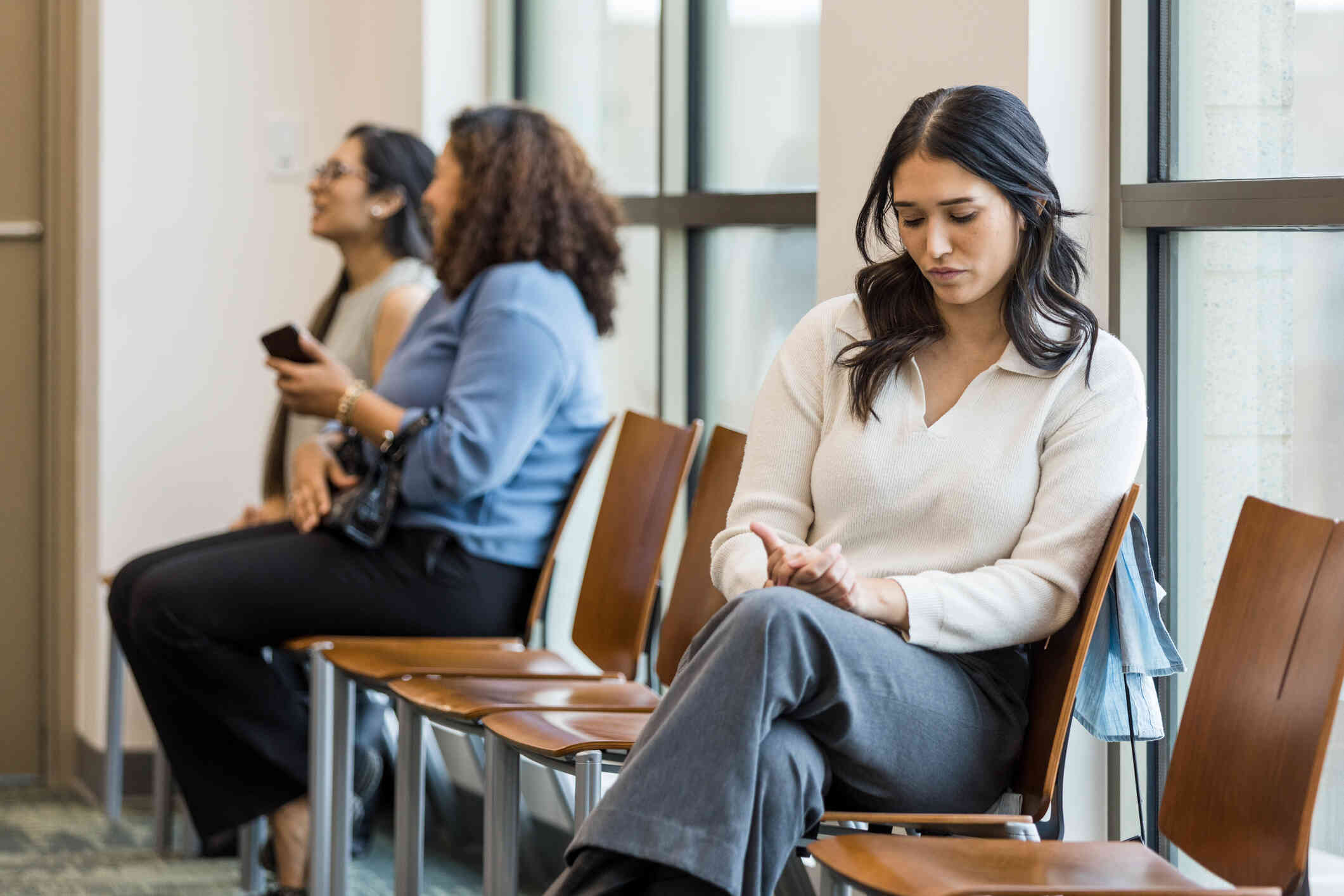
Not excited for the holiday season?
The anticipation of the holidays can sometimes come with a sense of unease rather than excitement. Festivities that are eagerly awaited by some may be overshadowed by worries for others.
- Financial strain can grow with expectations around gifts, travel, and seasonal events. Even when intentions are warmhearted, budgets may not stretch far enough.
- Family gatherings can create tension, especially if relationships are complicated or if past conflicts remain unresolved.
- Unrealistic expectations about creating the “perfect” celebration can also intensify feelings of disappointment when reality falls short.
These pressures can build until they feel overwhelming, leaving many to quietly wonder why the joy of the festive season feels unattainable.
Mental health and holiday anxiety
The holidays can influence mental well-being in both uplifting and challenging ways. On one hand, traditions may strengthen connections, provide opportunities for gratitude, and inspire generosity. On the other, this period can amplify existing worries or highlight areas of life that feel less stable.
Holiday season and mental illness
For those living with a mental illness, the season may bring additional hurdles. A person managing an anxiety disorder may notice increased unease during crowded events, while someone experiencing seasonal affective disorder could find shorter days impacting mood and energy.
The link between holidays and mental illness
The National Alliance on Mental Illness noted that 64% of individuals living with a mental health disorder reported increased symptoms during the holidays, with some experts referring to it as the “most difficult time of the year.”
Still, within the holiday season, moments of belonging and renewed hope can occur. Recognizing this can create space for a more balanced understanding of how this time of year may affect each individual.
Stress happens
Stress is part of daily life, but during the holidays, it can multiply. Additional commitments, financial pressures, and the weight of tradition may lead to higher-than-usual strain. While stress itself cannot be eliminated, the way a person handles it can make a significant difference.
One survey by the American Psychological Association suggests that nearly 89% of U.S. adults report increased stress around the holidays, with money and family dynamics ranking as the most common concerns. Recognizing the signs of mounting stress early can help allow for intentional strategies, whether through rest, reflection, or reaching out for support.
Give yourself the gift of mental health
Stress during the holidays is common. It can be easy to get swept up in the rush of planning, preparing, and meeting obligations. Experiencing anxiety during this season might not necessarily mean something is wrong. Instead, it could reflect how challenging it can feel to be pulled in many directions.
During a time of year that tends to highlight generosity, it can be important to give yourself “the gift” of mental health. This can look like taking time for self-care, prioritizing quality sleep, or maintaining personal rituals such as exercise or meditation.

Taking steps to manage stress may:
- Reduce reliance on unhealthy coping mechanisms such as alcohol or substance misuse
- Encourage healthy habits like rest, movement, and balanced nutrition, even while enjoying holiday treats
- Support clearer thinking and steadier emotions, allowing more presence in meaningful moments
If you are struggling with substance use, contact the SAMHSA National Helpline at 1-800-662-HELP (4357) to receive support and resources. Support is available 24/7.
Caring for mental well-being during this time is not only about getting through the holidays but finding personal joy in them wherever possible.
Pay attention to your emotions
During the holidays, someone might feel stressed most of the day without even realizing it, leading to signs of exhaustion or irritability being overlooked or ignored.
During the festive season when external demands run high, paying attention to emotions can be essential. Noticing changes in mood or energy and gently acknowledging them may serve as a powerful first step toward better mental health for the holidays.
Coping with stress and anxiety during the holidays
Stress and anxiety often feel more present during the festive season. Shopping, preparing meals, traveling, or navigating complex family dynamics can leave individuals feeling stretched thin. For some, these challenges may stir up new feelings of unease, while for others, existing worries may become more difficult to manage.
Acknowledging these experiences can be an important first step. Along with awareness, there are some practical strategies that can help ease tension:
- Planning ahead: Creating a schedule for shopping, events, and travel can reduce last-minute stress and encourage steadier routines.
- Setting realistic expectations: Letting go of the idea of a “perfect” holiday may help reduce pressure and open the door for more genuine moments.
- Prioritizing healthy habits: Sleep, balanced meals, and mindful breaks may support emotional resilience and can offset stress.
- Allowing time for rest: Protecting downtime can help restore energy and prevent burnout.
Exploring these approaches may ease both stress and anxiety, possibly making the holiday season feel more balanced and manageable.
Why the holiday season can create stress and anxiety
The festive season can interact with mental health in complex ways. While moments of warmth and tradition can lift spirits, the same season can amplify vulnerability. The contrast between expected joy and personal reality may deepen feelings of stress, anxiety, loneliness, sadness, or inadequacy.
Examples of common holiday experiences include:
- Restlessness or tension during crowded family gatherings
- Worries about meeting unrealistic expectations for hosting, gift-giving, or attending events
- Difficulty relaxing due to racing thoughts, constant planning, or disrupted routines
Don’t feel bad for having mental health challenges
Experiencing mental health challenges during the holidays isn’t a sign of failure. Protecting mental health remains important year-round, even when others appear to be celebrating. Experiencing stress, sadness, or anxiety during this time is not uncommon, and feeling this way need not add an additional layer of guilt. Accepting emotions as they arise can help reduce the pressure to present a perfect image.
Practice grounding for peace
Grounding techniques may serve as a gentle anchor when emotions run high. Examples of these techniques include:
- Focusing on your breathing and noticing its rhythm
- Identifying five things in the room that can be seen, four that can be touched, three that can be heard, two that can be smelled, and one that can be tasted
- Taking a mindful walk, paying attention to sights, colors, and sounds
Such practices can soothe the nervous system and provide a pause in moments of holiday overwhelm.
How therapy can help with stress and anxiety
Therapy can offer tools for navigating holiday stress and strengthening long-term coping skills. Working with a therapist may help one identify unhelpful thought patterns, set realistic expectations, and encourage healthier approaches to relationships and obligations.

The benefits of online therapy for holiday anxiety
Research suggests that online therapy can be as effective as in-person sessions for stress-related concerns, such as those associated with holiday pressures. Online therapy platforms like BetterHelp provide an entirely digital platform, removing barriers such as travel or waiting rooms.
- Availability: Thousands of licensed therapists available
- Speed: Matching with a professional, often within 48 hours
- Flexibility: Attend sessions from home or while traveling
- Control: Change therapists easily if it’s not a good match
- Affordability: Options can be less costly than traditional face-to-face services.
These features can make therapy more readily available during the holiday season, potentially creating a more straightforward pathway towards better mental health.
Takeaway
It can be common for stress and anxiety to emerge or grow stronger during the holiday season, as pressures surrounding money, family, and social obligations mount. Acknowledging these challenges may serve as an important first step in easing their impact.
By noticing emotions, practicing grounding, setting limits, and seeking support when needed, the festive season may feel less overwhelming. Choosing to care for one’s mental health could foster genuine moments of peace, connection, and joy.
Why is my anxiety so bad around Christmas?
Special days like Christmas and other holidays can be anxiety-provoking for many people. They often come with high expectations and fear of disappointing loved ones or leaving someone out. This can create significant stress, which often goes hand-in-hand with anxiety. Someone with social anxiety may also find the typical social gatherings around this time of year particularly challenging.
Why do people struggle psychologically with the holidays?
There could be various reasons people experience mental health concerns during the holiday season. Holiday depression and anxiety symptoms may occur due to the stress of the season, resurfaced grief of a lost loved one, or loneliness (which may be more pronounced during the holidays).
How to stop anxiety at Christmas?
It might not be feasible to stop anxiety altogether during the holidays. You may be able to reduce anxiety by setting boundaries with others and practicing self-care activities, for instance. Other strategies may include regular exercise, journaling, and avoiding the late nights and excessive drinking that is sometimes characteristic of the season.
What is the most stressful holiday?
Christmas is often the most stressful holiday, but this can vary from person to person. It could depend on various factors, including childhood memories associated with a particular holiday. If a loved one passes around a specific holiday, that time of year can be especially challenging.
What is festive anxiety?
Festive anxiety is a colloquial term (not an official diagnosis) that refers to anxiety felt as a result of an upcoming holiday or celebration. This anxiety could be due to excessive obligations, financial strain, or a disruption in routine, for example.
How to manage anxiety during the holidays?
There could be some proactive steps you can take to reduce stress and anxiety around the holidays. For example, you can limit social gatherings to reduce social stress. You might also want to set boundaries regarding conversation topics that are accepted around the holiday table, such as politics, for example.
What are the symptoms of holiday anxiety?
There could be numerous symptoms of holiday anxiety, and they may differ from person to person. Here are some common examples:
- Trouble sleeping
- Difficulty concentrating
- Irritability
- Headaches or stomach aches
- Loss of appetite
- Muscle tension
- Social isolation
What is the most relaxing holiday?
People may have different opinions about which holiday is the most relaxing. Generally speaking, a holiday with fewer obligations and expectations could provide the greatest opportunity to experience more relaxation and less stress.
How to calm down anxiety?
There could be various ways to calm anxiety. Suggestions may include:
- Talk to trusted friends and family members
- Spend time in nature
- Practice breathing exercises
- Meditate
- Use grounding techniques
How do therapists treat anxiety?
Therapists may treat anxiety with evidence-based therapeutic techniques such as cognitive behavioral therapy (CBT), exposure therapy, or interpersonal therapy (IPT), for example. They may also teach clients certain relaxation techniques to cope with anxiety on a day-to-day basis.
- Previous Article
- Next Article