Perimenopause and Anxiety: How Does Perimenopause Cause Anxiety?
Perimenopause and anxiety are often closely connected. During this life transition, hormone levels fluctuate, especially estrogen and progesterone, which have been closely linked to new or worsening anxiety.
While experiencing anxiety may feel scary, it's common and not a sign that you're doing something wrong. Understanding why anxiety happens during perimenopause and what it feels like may help you get the right support.
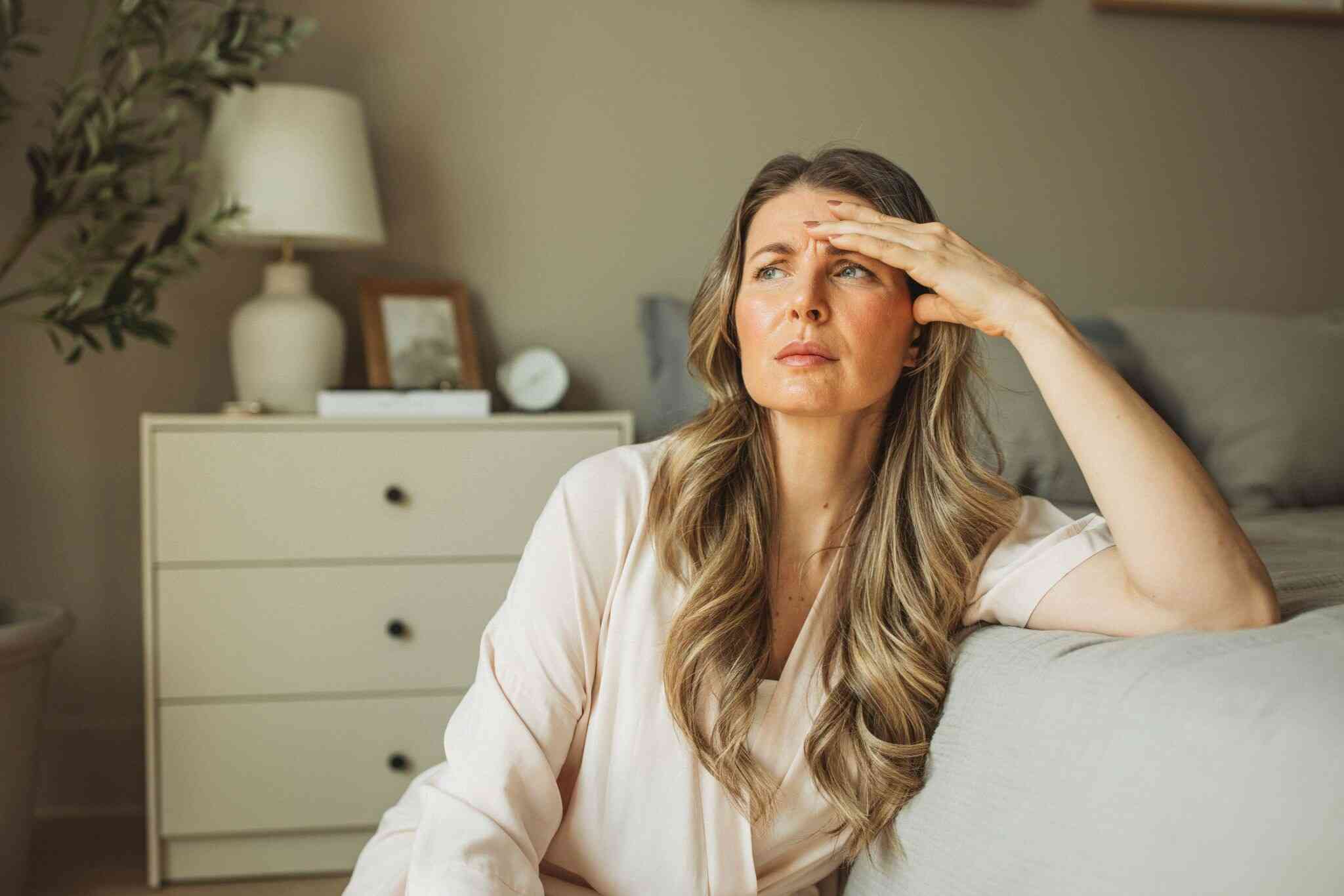
Why does perimenopause cause anxiety?
A BetterHelp survey found that 82% of all women experienced some form of anxiety in the last year. Symptoms may develop or become more noticeable during perimenopause, the seven- to 10-year period before menopause.
During this phase, the body's levels of reproductive hormones, including estrogen and progesterone, may go up and down. These hormonal fluctuations may affect serotonin and other neurotransmitters that influence mood regulation. For many women, that may make it more difficult to manage anxiety and other negative emotions.
Changes in hormone levels throughout the menstrual cycle may also make the nervous system more reactive to stress. As a result, everyday stressors could cause the body to release more cortisol and enter a state of chronic hyperarousal. For example, you may notice that you feel more anxious than usual when you get stuck in traffic, or a major deadline looms.
Irregular cycles are another common symptom of the menopausal transition. They may coincide with mood symptoms such as increased anxiety and irritability.
Finding the right therapist isn’t just important – it’s everything.
Find your matchWhat does perimenopausal anxiety feel like?
Perimenopause anxiety doesn't feel the same for everyone, but these are a few ways it could affect your mind and body.
Emotional and mood symptoms
Some people experience depressive and anxiety symptoms throughout the menopausal transition, especially at the beginning. A study published in Frontiers in Psychiatry found that women in early perimenopause report the highest levels of stress and anxiety.
Increased worry and irritability are two common emotional symptoms. You may feel more anxious than usual or get annoyed easily. Perimenopause may also cause increased irritability toward partners and other family members. You might find yourself arguing with loved ones more often or snapping at them over minor issues.
Hormonal changes may also create a sense of heightened tension. You could feel on edge for no apparent reason as your nervous system reacts more strongly to your environment. A routine trip to the grocery store, for instance, might feel unusually stressful or scary.
Physical symptoms
Hot flashes are a hallmark of perimenopause and menopause. They may cause a sudden, intense feeling of heat in your face, neck, and chest. As your body warms up, you may also sweat profusely. If these episodes happen at night, they're called night sweats.
Hot flashes and night sweats may overlap with or mimic anxiety symptoms. For instance, your heart may start racing in response to heat, just like you may experience during moments of intense anxiety. Your skin might also flush or feel clammy.
For some people, the onset of perimenopause also brings on panic attacks for the first time. If these attacks are unexpected and recurrent, it may be worth talking with a doctor or therapist. Panic attacks during perimenopause are a recognized symptom of the hormonal transition, and a provider can help determine whether an anxiety disorder may also be involved.
Chronic sleep deprivation is another common issue during perimenopause. Estrogen and progesterone help regulate sleep, so hormonal fluctuations may make it difficult to fall and stay asleep. Symptoms like night sweats and urinary incontinence may also disrupt sleep. Over time, poor sleep may lead to worsening anxiety.
The same therapy you trust, with the option to use insurance
BetterHelp offers more ways to access online therapy, with insurance options available through providers participating in 125+ health plans. Insurance availability and coverage may vary by state, plan, provider network, therapist availability, and deductible status.
Get startedSigns you should chat with a therapist about perimenopause
People often focus on the physical effects of perimenopause, but it may also have a serious impact on mental health.
Consider reaching out to a therapist if you experience perimenopausal anxiety that disrupts your daily life. For example, you may feel too worried to leave the house or become overwhelmed by routine work projects. You might also fret over your health, especially if hormonal changes are causing new or severe symptoms.
Perimenopausal anxiety could also cause conflict with your loved ones. You might notice that you withdraw from family activities because you feel nervous or get irritated with your partner over small things. If these changes are damaging your relationships, it may be time to seek therapy.
“The most important thing you can do for yourself if you are experiencing anxiety associated with perimenopause is to acknowledge that this is real for you. Avoid self-doubt and actively advocate for yourself - with your supports, medical professionals - and make space for you! Give yourself the care, patience and understanding while you navigate this life change. It is real! “
Worsening panic attacks are another sign that you could benefit from reaching out to a mental health professional. Of course, it's normal to feel nervous or stressed sometimes. However, frequent or severe panic attacks may take a toll on your mental and physical health. A therapist may help you develop coping strategies.
You should also consider seeking professional support if you experience chronic sleep loss. For instance, you might struggle to fall asleep some nights because your mind is racing with unwanted negative thoughts. Even a few days of poor sleep may lead to cognitive impairment and increased stress hormones. Sleep disturbances are also linked to higher levels of anxiety, which in turn may make it harder to sleep, feeding the cycle.
A mental health provider may work with you to break this and other negative cycles.

How can therapy help with perimenopause and anxiety?
Experiencing anxiety during perimenopause may make an already challenging transition even more difficult. You don't have to do it alone, though.
A therapist may help you develop coping methods for anxious thoughts. These could include:
- Learning deep breathing techniques to ease tension and calm your mind
- Completing exercises to help you recognize irrational thoughts, such as worrying that a cold is actually a serious illness
- Tackling tasks that make you feel anxious instead of avoiding them
- Practicing meditation when you get stressed or overwhelmed
- Using cognitive reframing to identify and replace negative thought patterns
- Journaling about your emotions and thoughts
- Exercising to help lower cortisol and other stress hormones
Some of these strategies could also help alleviate physical symptoms. Mindfulness-based meditation, for instance, might reduce hot flashes and urogenital symptoms for perimenopausal and menopausal women. Likewise, physical activity may improve body temperature regulation and sleep quality, leading to fewer night sweats.
BetterHelp can connect you with the right therapist to help handle mental health symptoms such as anxiety. With in-app messaging, you may reach out between sessions. That makes it easier to access care if you're dealing with unpredictable perimenopause symptoms or exhausted from anxiety.
Getting started with BetterHelp is simple:
- Take a short questionnaire. Answer a few quick questions about your goals, preferences, and the type of therapist you’d like to work with.
- Get matched quickly. In most cases, you can be matched with a licensed provider in as little as 48 hours.
- Start therapy on your terms. Schedule sessions by video, phone, or live chat, and join from anywhere you have an internet connection.
Finding the right therapist isn’t just important – it’s everything.
Find your matchBeyond therapy, some people also explore hormone replacement therapy (HRT) with a doctor. This therapy helps increase estrogen levels in the body. While it doesn't directly treat anxiety, it may help relieve hot flashes and other symptoms that may contribute to mood changes.
A therapist can't prescribe HRT. Consider reaching out to a hormone health specialist to discuss the benefits and risks.
Takeaway
Can perimenopause really cause anxiety?
Yes. Hormonal fluctuations during perimenopause, especially in estrogen and progesterone, may affect the nervous system and contribute to new or worsening anxiety symptoms. Many women also experience related physical symptoms like hot flashes or poor sleep, which may intensify anxious feelings during this transition.
Is perimenopausal anxiety the same as an anxiety disorder?
Not necessarily. Perimenopausal anxiety is often tied to hormonal changes and may ease as hormone levels stabilize, while an anxiety disorder is a diagnosable condition. A mental health professional may help someone understand which they may be experiencing.
Does anxiety from perimenopause go away?
For many women, anxiety symptoms linked to perimenopause improve once hormone levels stabilize after the menopausal transition. Support from a therapist or doctor in the meantime may make this period feel more manageable.
Can therapy help with perimenopause anxiety?
Yes. Speaking with a therapist may help someone build coping strategies for anxious thoughts and physical symptoms, and online therapy makes it possible to connect with a licensed therapist from home.
- Next Article
This article provides general information and does not constitute medical or therapeutic advice. Mentions of diagnoses or therapy/treatment options are educational and do not indicate availability through BetterHelp in your country.
BetterHelp insurance availability, coverage, and cost may vary by state, plan, provider network, therapist availability, and deductible status.