Losing a Pet: Understanding Pet Loss Grief and How to Cope
Losing a pet is a real, heartbreaking, and often profound loss, not something to brush aside. For some people, grieving a pet may feel as intense as grieving a human family member, because the bond with an animal companion is just as genuine. There's no single right way to grieve, and support is available to help you carry this at your own pace.
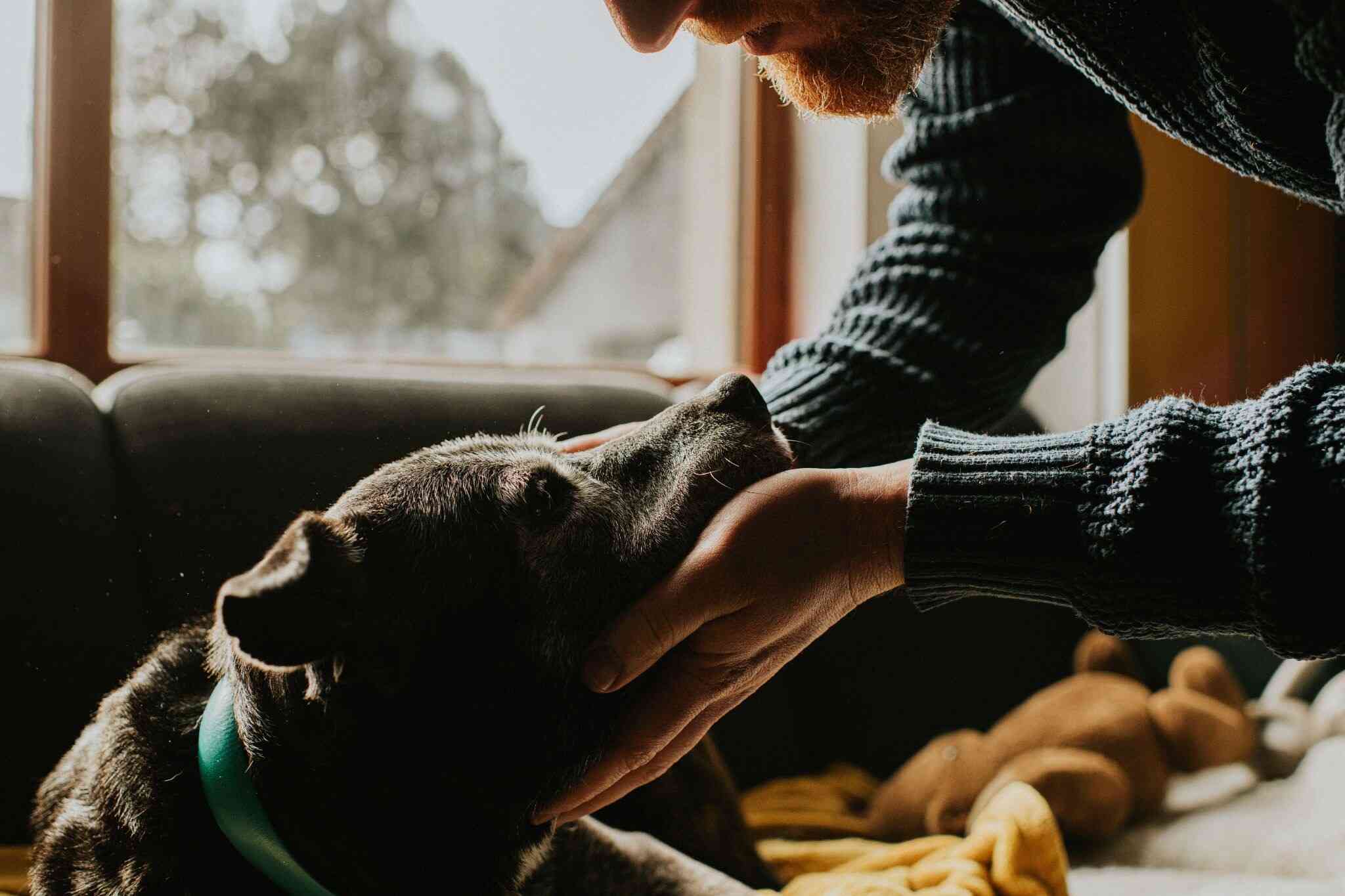
Why does losing a pet hurt so much?
Losing a pet may cause intense grief. Understanding why the hurt runs so deep may make the grief feel less confusing.
For many pet owners, an animal companion isn't a possession. Many people consider them family members, and dismissing the loss as losing "just a dog" or "just a cat" rarely fits that bond.
A beloved pet also shapes the rhythm of your days in ways you may not notice until they're gone. A beloved dog who met you at the door, or a cat who claimed your lap, becomes part of your everyday world. Feeding times and daily routines offer both structure and steady emotional support, so a pet's death may leave a gap you feel at every turn.
It also helps to remember that grief doesn't follow a tidy path. Frameworks like the five stages of grief may give language to the experience, yet grief looks different for everyone, and there's no wrong way to grieve a special friend.
Anticipatory grief before a pet's death
If you're caring for an aging or ill pet, you may notice grief arriving before the loss itself. This is called anticipatory grief, and feeling sad while your companion is still with you is a normal response.
You might grieve the slow changes and the goodbye you know is coming, well before your pet dies. Letting yourself feel that sadness doesn't take away from the time you have left. If the weight is hard to carry alone, learning what to expect when losing a pet may help you feel prepared.
What are healthy ways to cope with pet loss?
There's no formula for grieving a companion, but small, intentional steps may make the days feel more manageable. Coping isn't about rushing the sadness or "getting over" your pet. It's about giving the grief somewhere to go.
If you’ve lost a pet, the following coping approaches may help pet owners move through the grieving process at their own pace:
- Acknowledge your feelings: Name the sadness instead of pushing it down, and let yourself cry if the tears come. Mourning a beloved pet may be a natural response to loss.
- Create a memorial: A photo album, a keepsake, or a small memorial service may honor your departed pet's life and create space to say goodbye.
- Lean on others: Talk with friends, family, or a pet loss support group who understand the bond you shared and may ease the loneliness.
- Practice self-care: Basic routines like rest, movement, and regular meals may provide some structure when grief feels heavy.
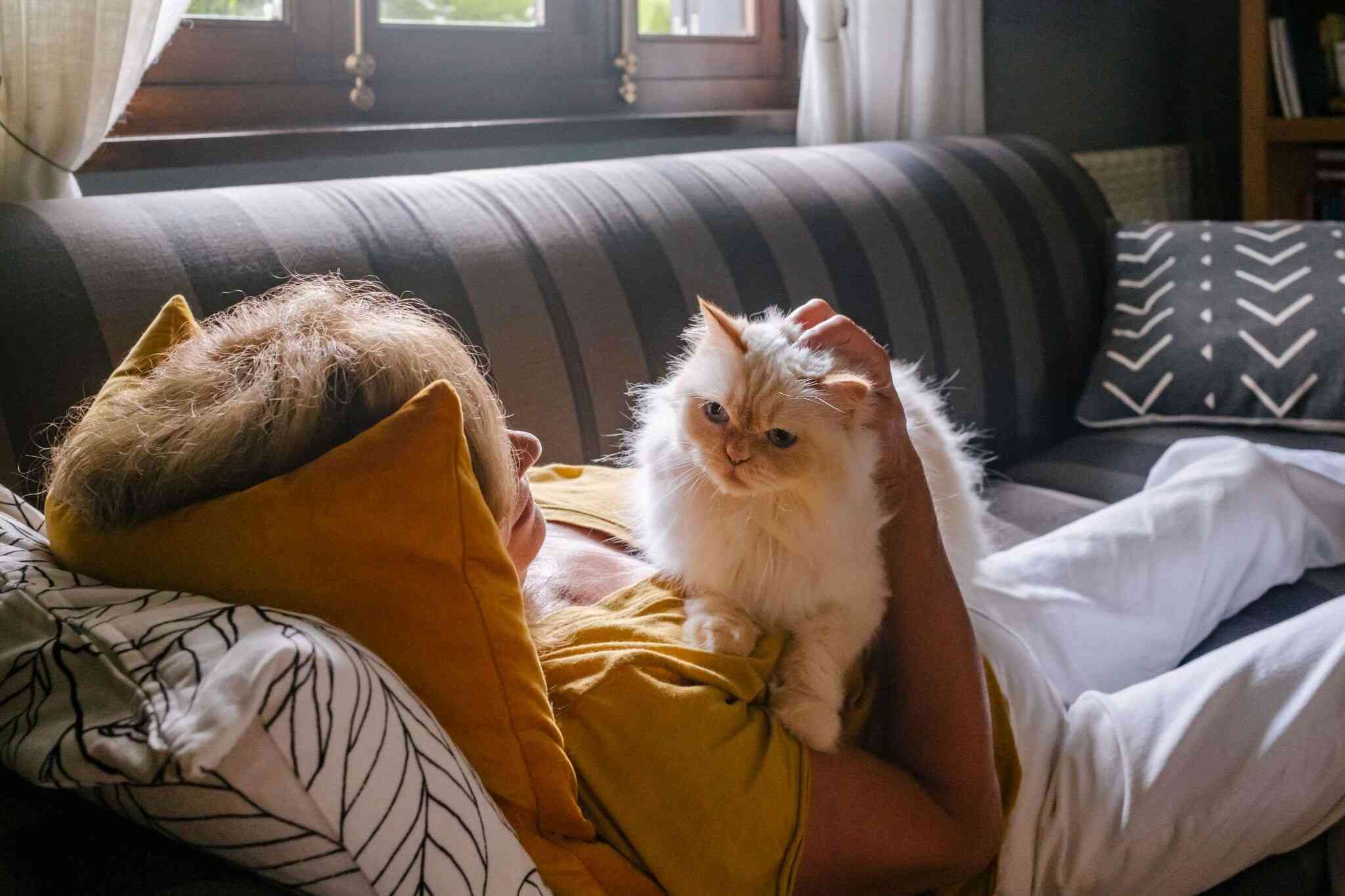
"The loss of a pet is real and grief should never be rushed. How can you expect to move on without the presence of the one who has been there for you through everything? Like any type of loss, your best friend/family member deserves to be honored in the way that feels right to you."
Supporting surviving pets
Surviving pets may also respond to the loss of an animal companion. They may show signs of the grieving process, from changes in appetite and energy to searching the house or clinging to you.
If you notice your pet grieving, you may support them with a few simple steps: keep their routine consistent, offer extra attention, and give them time to adjust. If a surviving pet seems withdrawn for an extended period, a check-in with your veterinarian may help rule out physical concerns.
Reaching out for pet loss support
Grief may feel lonely, especially when others don't understand the depth of your loss. Reaching out isn't a sign of weakness, yet many people hesitate. According to BetterHelp research, 56% of people feel pressure to handle mental health struggles on their own rather than seek help. People grieving a pet may face an additional challenge when others minimize the significance of the loss.
Pet loss support groups may offer a space built specifically around this kind of loss. Organizations like Lap of Love and Love Baxter provide pet loss communities where you may share memories and feelings with people who have the same shared experience of losing a pet.
Some people also find it helpful to process pet grief with a licensed therapist, whether through a local counselor or an online platform. This is one option among several, not a requirement, and exploring grief counseling may help you decide if it fits your needs.
If you're drawn to online support, BetterHelp connects you with a licensed therapist you may reach by phone, video, or in-app messaging. These options may make it easier to seek additional support in a format that fits your preferences and schedule. Whenever you feel ready, professional guidance is there to help you cope with losing a pet.
Getting started with BetterHelp is simple:
- Take a short questionnaire. Answer a few quick questions about your goals, preferences, and the type of therapist you’d like to work with.
- Get matched quickly. In most cases, you can be matched with a licensed provider in as little as 48 hours.
- Start therapy on your terms. Schedule sessions by video, phone, or live chat, and join from anywhere you have an internet connection.
Finding the right therapist isn’t just important – it’s everything.
Find your matchWhen should you consider getting a new pet?
Deciding whether to welcome a new pet is deeply personal, and readiness varies widely. There's no right or wrong answer, and no amount of time that says you've grieved "correctly."
Still, certain signs may suggest you're feeling more open to sharing your life with another animal. These aren't rules, just some indicators that your heart may have a little more room:
- You feel more at peace: The sharpest edges of your grief have softened, and thinking of your departed pet brings warmth alongside the sadness.
- You want companionship again: You miss the presence of an animal, not to replace the one you lost, but to share your days once more.
- You've processed the initial grief: You've had space to mourn and honor your beloved pet, rather than reaching for a new pet to fill the silence.
It's also completely okay to wait, or to decide that another pet isn't right for you at all. Whatever you choose is valid, and honoring your own needs matters more than meeting anyone else's expectations.
Takeaway
Losing a pet is a legitimate loss that deserves real grief, and however you feel is valid. Coping looks different for everyone, so permit yourself to move through the grieving process at your own pace, without a deadline.
Support from loved ones, a pet loss support group, or a therapist may help you make it through this loss and find your footing again in time.
Is it normal to grieve a pet like a family member?
Yes, it is completely normal. Many pet owners experience grief for an animal companion that feels just as intense as grieving a human family member. The bond formed with a beloved pet is real, and the sadness that follows their loss deserves to be taken seriously rather than minimized.
Can losing a pet cause depression?
Yes, it's possible. Losing a pet is a significant loss, and some people may experience prolonged sadness, low mood, or difficulty functioning afterward. If these feelings persist or worsen over time, speaking with a licensed therapist may offer support in navigating the grieving process.
Is it okay to hold a memorial service for a pet?
Yes, absolutely. A memorial service, photo album, or small ritual may be a meaningful way to honor a departed pet's life. These acts of remembrance often help pet owners process grief and create space to say goodbye in a way that feels personal.
Do other pets grieve when a companion animal dies?
Yes, this may happen. Surviving pets may show changes in behavior, appetite, or energy after losing a companion. While every animal responds differently, offering them extra attention and maintaining routine may help support them through the adjustment.
- Previous Article
- Next Article
This article provides general information and does not constitute medical or therapeutic advice. Mentions of diagnoses or therapy/treatment options are educational and do not indicate availability through BetterHelp in your country.
BetterHelp insurance availability, coverage, and cost may vary by state, plan, provider network, therapist availability, and deductible status.