Mental Health In Asian Americans: Advocating For Inclusive Health Care
- For those experiencing suicidal thoughts, please contact the 988 Suicide & Crisis Lifeline at 988
- For those experiencing abuse, please contact the Domestic Violence Hotline at 1-800-799-SAFE (7233)
- For those experiencing substance use, please contact SAMHSA National Helpline at 1-800-662-HELP (4357)
Despite progress in raising awareness of unique mental health challenges experienced among various Asian American groups, significant mental health disparities continue to exist among Asian Americans. According to one survey, in 2023, American Asian adults were 50% less likely to receive mental health support than non-Hispanic white adults. Here, we’ll explore some possible reasons for this disparity and share ways to fight stigma and seek support.
Diversity among Asian Americans
When exploring mental health concerns and challenges among Asian Americans, it can be important to remember the vast diversity among various Asian cultures in the US. According to UCLA Health, there are over 22.6 million people across 40 distinct ethnicities in the Asian American and Pacific Islander (AAPI) community, which also includes vast differences in religion, immigration patterns, language, and more. It can be important to keep this diversity in mind when considering the experiences and needs of individuals in this group.
How discrimination can affect AAPI mental health
Many people from various Asian American subgroups have experienced discrimination in various contexts in life, from microaggressions to social exclusion to bullying, harassment, and violence. Trauma related to discrimination, racism, or forced migration may contribute to anxiety and depression. Also, some recently arrived immigrants may experience post-traumatic stress disorder (PTSD) as a result of political instability in their home country, challenges during migration, and systemic exclusion, discrimination, and other threats once arrived in the US. Also consider that AAPI individuals who hold multiple marginalized identities, such as those who are also LGBTQ+, also disabled, and/or also an immigrant, may face additional and compounding forms of discrimination and mental health challenges.
Mental health stigma in Asian American communities
With acknowledgement of diversity between and within Asian American groups, it can still help to look at some common trends in order to fight stigma and promote availability of mental health services more broadly.
In some Asian American cultures or specific families, people may feel reluctant to discuss physical or mental health challenges outside the family. This tendency may lead some people to avoid seeking support from a mental health professional. Or, help-seeking behavior may be viewed by some as a sign of weakness—a form of stigma that affects many Americans of all backgrounds.
Also, according to the National Alliance on Mental Illness, some Asian American cultures emphasize collectivism. While this tendency may be beneficial to mental health in many contexts, it may sometimes also discourage individuals from seeking the help they deserve. A person may feel guilty for thinking about their personal needs, even if they experience a severe psychiatric disorder.
Language barriers and insurance challenges
Some multilingual individuals from Asian American communities may experience a language barrier that could prevent them from seeking mental or behavioral health care. Even if a non-native English speaker has a high level of proficiency in English, they may feel that they lack the language to accurately explain what they’re feeling to a mental health professional. Or, even if some people feel willing to seek mental health services, they may live in an area with few therapists who speak their language or understand their specific Asian American culture.
BetterHelp currently accepts HSA/FSA cards and is recognized as an eligible expense by most HSA/FSA providers. Get started today.
It's also important to note that, like many individuals in other marginalized groups, Asian-American individuals may face systemic barriers to receiving healthcare—such as a lack of health insurance. While studies suggest that the rate of uninsured Asian American individuals has decreased significantly since 2010, researchers point out that these numbers can still vary widely among Asian American subgroups. For instance, a recent brief indicates that, as of 2022, 3.6% of Japanese Americans, 7.8% of Korean Americans, and 12.4% of Native Hawaiians and Pacific Islanders were uninsured, with still different figures for Chinese Americans, Filipino Ameriicans, and other groups.
Fighting stigma surrounding mental health in Asian American communities
One way for Asian Americans to fight stigma surrounding mental health is to talk openly about mental health and encourage help-seeking behaviors. By openly discussing topics related to emotional wellness, individuals may help others see that they are not alone in experiencing mental health challenges, which may encourage them to seek support.
Another way that all individuals can fight stigma is to speak up when they notice stereotypes or false ideas about mental health. For example, those who encounter online comments that spread misinformation about various mental health challenges or perpetuate harmful stereotypes about people from a specific background can push back against them, which may help correct false ideas and encourage everyone to get the mental health support they deserve.
Where to find support
When discussing mental health care for members of a specific marginalized community, it can be important to reference the concept of culturally competent care. One study defines this approach as when a healthcare provider is trained “to be aware of, and responsive to, patients’ cultural perspectives and backgrounds,” ensuring that “patient and family preferences, values, cultural traditions, language, and socioeconomic conditions are respected.”
The availability of culturally competent care for Asian Americans can make an enormous difference in whether people feel comfortable seeking mental health support.
To find AAPI-specific, culturally competent support near you, some ideas include:
- Seeking out Asian American cultural centers, which may have information about therapists who speak a specific language
- Using a directory of AAPI therapists, such as one from the Asian Mental Health Collective, the Asian American Psychological Association, or another mental health services administration
- Asking fellow AAPI friends how they found their therapist
Online mental health care for Asian Americans
Some people might live in an area with few mental health providers in general, or few providers with an Asian American background or culturally competent training. In such cases, online therapy can often provide a more convenient option for finding informed care.
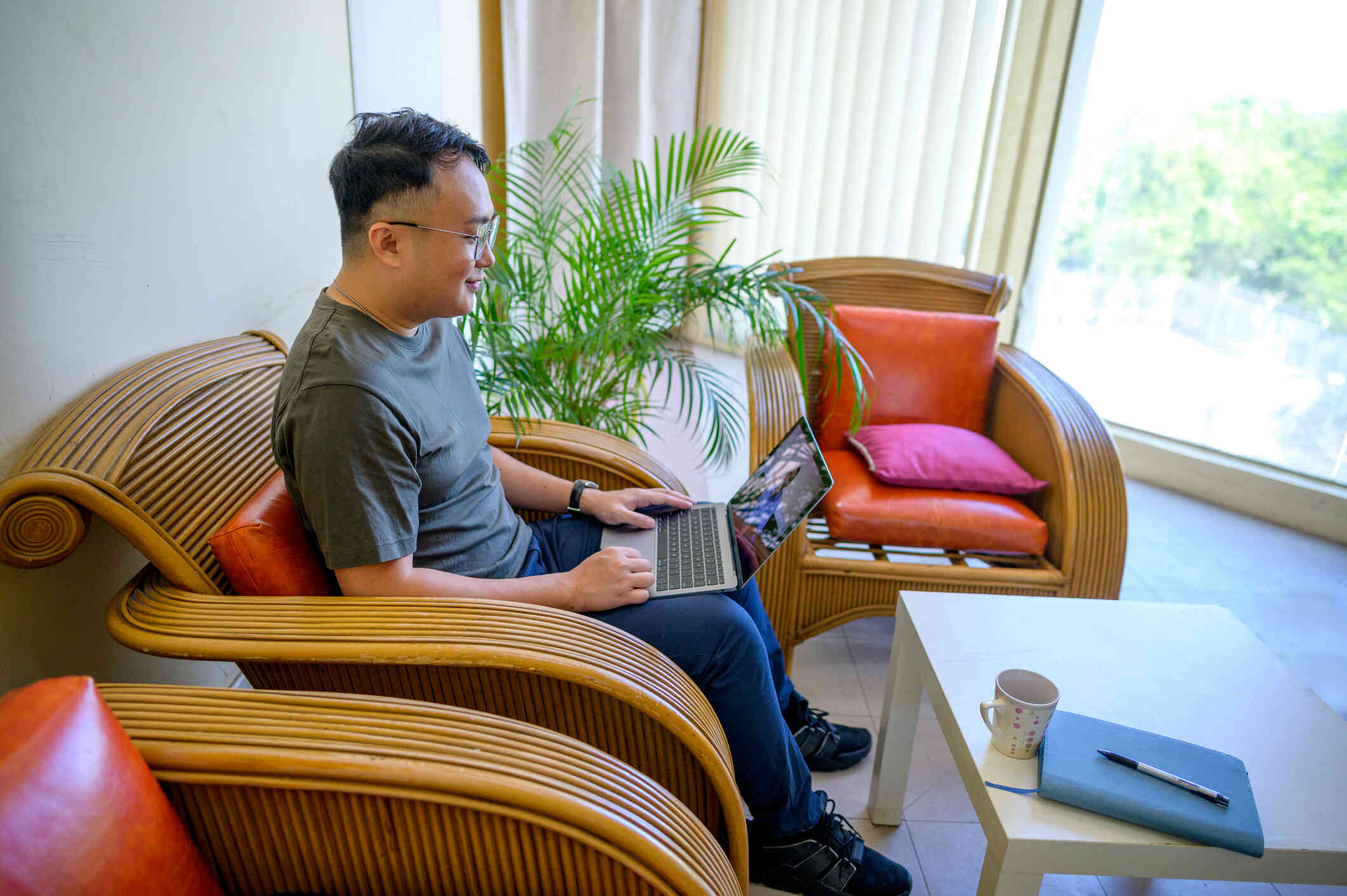
With a platform like BetterHelp, individuals can connect to a network of more than 25,000 licensed mental health professionals, which can make it easier to find a therapist with a specific cultural background or experience. With BetterHelp, individuals can communicate with a licensed therapist remotely in a way that’s comfortable for them, such as audio, video, live chat, or a combination of these methods.
Research on the effectiveness of online therapy
In addition to offering a large pool of therapists and flexible communication options, studies also indicate that online therapy can often be effective for treating various mental disorders. For instance, one review suggests that online cognitive behavioral therapy (CBT) can be effective for addressing symptoms of social anxiety disorder, depression, bipolar disorder, panic disorder, substance use disorder (formerly “substance abuse”), and others.
Takeaway
How can you fight stigma surrounding mental health in Asian Americans?
Some possible ways to help fight stigma include:
- Promote an open dialogue about mental health
- Attend public health events that promote mental health among Asian American communities
- Discuss your own mental health challenges or treatment to normalize the therapy process
As people begin to see that others in their community have sought therapy, they may feel more open to speaking with a licensed counselor themselves when needed.
How do Asian Americans view mental health care?
Different Asian American subgroups and individual families may have vastly different views on mental health treatment. Also, some family members may have different perspectives on mental health depending on numerous factors, such as time spent in the United States and exposure to other cultures.
Where can one find an Asian American therapist?
Directories like those available from the Asian Mental Health Collective or the Asian American Psychological Association can be helpful tools. Individuals who live in an area with few Asian American therapists might also consider online therapy, which typically allows a person to connect with a therapist from anywhere in the United States.
What mental health disparities affect Asian Americans?
Mental health disparities can affect different Asian American subgroups in significantly different ways. Many face barriers to receiving healthcare, such as a lack of culturally competent providers or availability of health insurance. Compared to counterparts who do not hold a marginalized identity, AAPI individuals may also face additional mental health challenges due to lived experience of discrimination.
BetterHelp currently accepts HSA/FSA cards and is recognized as an eligible expense by most HSA/FSA providers. Get started today.
What is the rate of depression in Asian Americans?
According to the Office of Minority Health in conjunction with the Centers for Disease Control and Prevention and SAMHSA, non-Hispanic Asian Americans tend to experience a depression rate of 4.8%. Non-hispanic whites experience a depression rate of 9.1%, and non-white, non-Asian people experience a depression rate of 0.5%. It also reports that Asian American youth may be less likely to consider suicide than youth of other backgrounds. That said, disparities between these rates may be due at least in part to systemic barriers related to discrimination and socioeconomic status that Asian American adults, Southeast Asian refugees, Asian Indian, Pacific Islanders, and other racial groups who are marginalized tend to experience.
Why is mental health taboo in some cultures?
Having a mental health condition and/or seeking professional help can be taboo according to some cultural values. Community health norms may dictate that religion is all a person needs to feel better, or that mental illness is a sign of weakness. Fighting these forms of stigma in Asian communities, national Latino or Latine communities, Black communities, Indigenous communities, among other racial groups, and in all communities can be important for supporting people in reaching out for professional help and mental health resources.
Which cultures stigmatize mental health?
Many cultures today stigmatize mental health, as outlined in a variety of peer-reviewed articles published in the American Journal of Psychiatry, the Asian American Journal of Psychology, and others. This is one reason why cultural competence in mental health care can be so important, because it can be helpful for providers to understand the culture-based core beliefs about mental wellness that a patient may have.
Why do people look down on mental health?
There are many different reasons people may look down on mental health or unfairly judge others who seek care. Social judgments and prejudice, like the model minority myth, may make some people feel weak for reaching out for help. Or, people from certain cultures may have been taught that mental health is shameful, or not to be discussed outside one’s family. These are just a few reasons why the availability of culturally competent care can be so important, with research suggesting that participants reported improved mental health outcomes as a result in many cases.
How did the depression affect Asian Americans?
Asian American communities were hit hard by the Great Depression, like many other communities. Many people lost their livelihoods and were forced to leave the areas where they were living in order to try and find work so they could pay for their basic needs.
What race was most affected by the Great Depression?
People from all different backgrounds were significantly impacted by the Great Depression. That said, the already deeply marginalized population of Black Americans is widely said to have been one of the hardest-hit groups.
- Previous Article
- Next Article