Protecting Gender Identity: How Misgendering Can Affect Mental Health
Gender is a widely discussed topic today, as more and more individuals begin to think about and express this facet of themselves in varying ways. For people whose gender identity or expression does not align with the one they were assigned at birth, language can be highly important, helping them feel more accepted, seen, and understood.
Misgendering—which involves using incorrect gender pronouns, deadnaming, or misusing honorifics—can lead to mental health concerns and other challenges for individuals in the transgender, non-binary, and gender-diverse community. Below, we’re providing an overview of what gender identity is, discussing the effects of misgendering, and outlining ways of using inclusive, gender-neutral language.

Understanding gender identity
As society develops a fuller understanding of gender—and visibility and acceptance of trans identities increase—the number of people who are exploring their gender identity is rising. Since 2014, there has been a fivefold increase in the number of people aged 18–24 who identify as trans, and a fourfold increase among those aged 25–34.
Despite it becoming more widely accepted to not conform to binary gender norms, trans and gender-diverse individuals often still face a variety of challenges, including discrimination, stigma, legislative harm, and misgendering. To help illuminate the potential harm misgendering can do, it can be important to understand gender identity and how it relates to language.
Gender identity, according to the American Psychological Association (APA), is “a person’s psychological sense of self in relation to their gender.” A person’s gender may or may not align with the one they were assigned at birth. If it does, they may be referred to as cisgender. If it does not align, they may identify as transgender or another gender-expansive label.
Many people now conceptualize gender as a spectrum, within which a wide array of distinct gender identities exist. For example, individuals who are not cisgender may identify as transgender, non-binary, genderfluid, agender, or genderqueer. For many people—cisgender and transgender alike—their gender identity is a central component of who they are. As we’ll discuss later, an individual’s ability to think about and express their gender in the ways they’re most comfortable can impact their self-identity and overall quality of life.
For some, feelings about the interactions between their true gender and the one they were assigned at birth or certain parts of their body can cause emotional distress, potentially leading to a condition called gender dysphoric disorder, or gender dysphoria. Gender dysphoria can be a significant concern among individuals who identify as trans. (Note, however, that a cisgender person can also experience gender dysphoric disorder, though it is less common.)
It’s important to keep in mind, however, that not all trans people experience dysphoria—and that trans or queer identities are not themselves indicative of mental health concerns or disorders. Instead, dysphoria refers to the distress a person may feel from a sense of incongruence, which is often fueled by rigid social norms and discrimination.
Gender identity vs. gender expression
Gender expression is the way in which an individual shows their gender outwardly. This can encompass everything from the clothes and jewelry they wear to their mannerisms and speech patterns. It can also involve their chosen pronouns. Often, the way an individual chooses to express their gender may not align with social norms often associated with that gender. For example, someone may identify as a woman but wear clothes and hairstyles more associated with men.
What is misgendering?
While acceptance of trans identities is increasing, a lack of knowledge or consideration around gender pronouns, deadnaming, and related topics persists. Gender pronouns are the words we use to refer to individuals without using their name (e.g., “he,” “she,” “they,” “them”). For example, someone who identifies as a woman might prefer the pronouns “she/her,” while someone who identifies as non-binary may prefer the pronouns “they/them.” A person could also have multiple pronouns (like “they/she”) or may use neopronouns (like “xe/xir/xirs”).
When individuals transition (whether that’s medically, socially, or both), they often use different pronouns than those they used before. For example, a trans woman may prefer “she/her”, where she previously was made to use “he/him.” It’s important to note, though, that someone who is transitioning may not yet be comfortable using a new pronoun or may not feel safe doing so in certain environments, which is why, as we’ll discuss later, asking each individual about their pronouns is typically considered the best course of action.
Misgendering occurs when an individual is referred to using a word that differs from their preferred pronouns. It can also happen when someone is deadnamed, meaning they are called a name that is no longer attached to their identity. Take, for example, a situation in which someone who was assigned female at birth was named Sarah. If this person then transitioned and chose a different name, referring to them as Sarah is deadnaming.
Proper gendering and self-validation
Gender identity and expression can be highly important facets of our conceptions of ourselves. A person’s self-conception is often strongly connected to the way they view and interact with the world around them, and their identity can provide them with a sense of community and feelings of belonging. For people who are gender minorities, feelings about these aspects can also be heightened due to prior dysphoria or invalidation of identity.
For gender minorities, being properly identified can be an affirming experience, helping them feel externally validated and safe. One researcher put this desire for affirmation in terms of self-verification theory: “People strive for consistency between how they view themselves and how others react and respond to them, including to their social identities. Inconsistencies between internal and external categorization can lead to social identity threat … with negative implications for well-being.”
The mental health effects of misgendering
As discussed above, an individual’s gender identity can be a significant part of their self-conception.
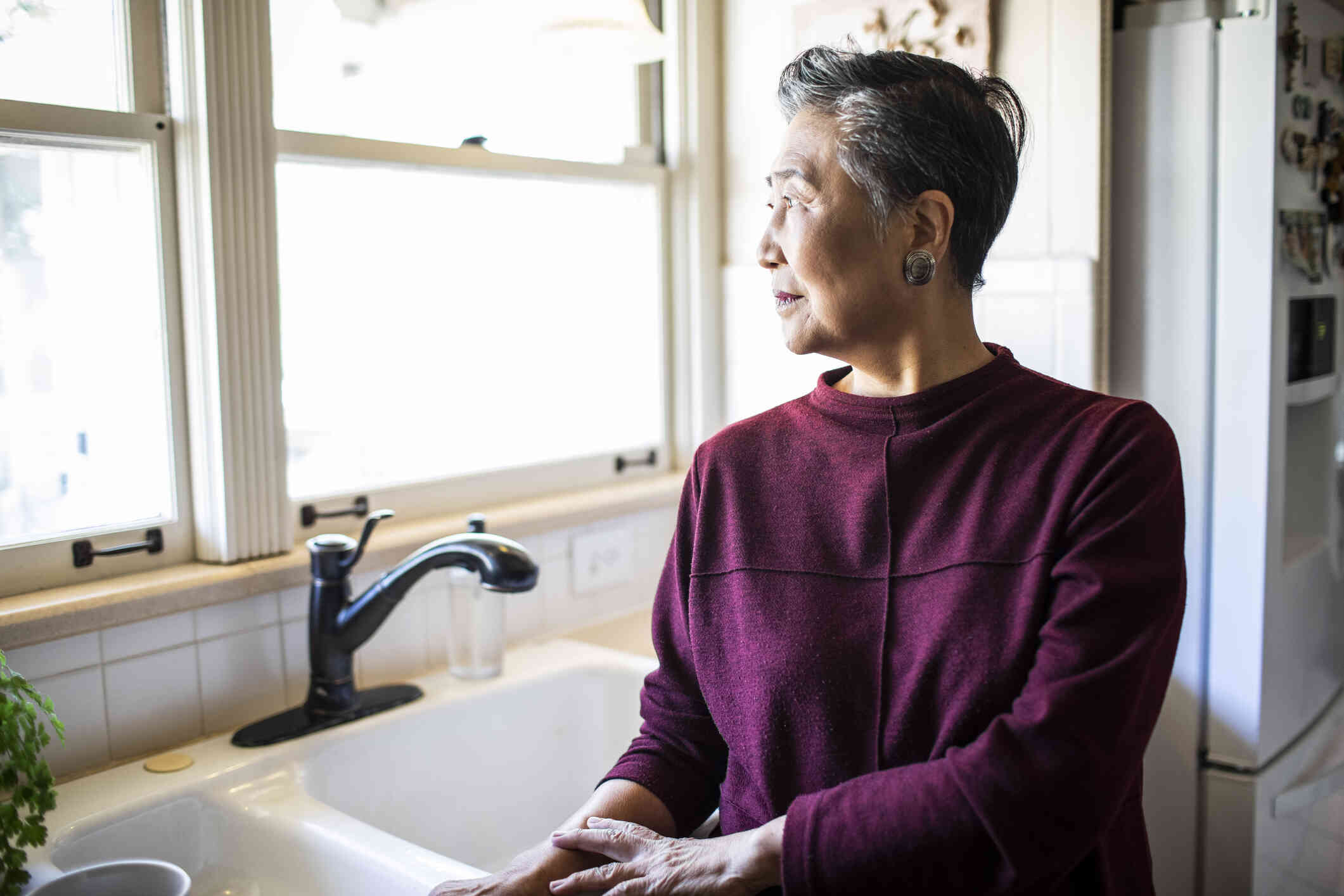
When someone is misgendered, they may feel invalidated and disrespected and their sense of belonging may be disrupted—potentially causing serious psychological distress. In a study examining the effects of misgendering on trans and non-binary individuals, 59% of participants stated that they were misgendered every day. The majority also reported that they became “very or quite upset” when they were misgendered.
An individual who has been referred to by the wrong pronoun or name may experience feelings of loneliness, low self-esteem, and sadness. Misgendering can also increase stigma, which has been connected to various mental health challenges, including social anxiety, depression, rumination, and concerns related to body image. Individuals who have been misgendered may subsequently feel less comfortable expressing their gender the way they would prefer. These acts can be particularly damaging when they are done intentionally, by unsupportive family members, for example.
Plus, consider that repeated and/or intentional misgendering especially can reinforce harmful narratives and dangerous legislation about gender non-conforming people, making an individual feel disrespected and unsafe and perpetuating stigma.
Gender-neutral language, preferred gender pronouns, etc.: how to avoid misgendering
There are several steps you can take to avoid the above-mentioned negative impacts of misgendering someone. Asking about how a person prefers to identify, using gender-inclusive language, learning about the trans community, and spreading awareness about trans rights are a few examples.
Ask about preferred gender pronouns
Try to avoid making assumptions about a person’s pronouns. As discussed above, gender expression can differ from gender identity. This means that, even if someone’s appearance seems to conform to norms about a specific gender, they may not identify as that gender.
If you aren’t certain about an individual’s pronouns, you can ask them what they prefer by asking something like, “What are your preferred pronouns?” Of course, not everyone is comfortable sharing their gender, and no one should be compelled to do so. If someone does not tell you their preferred pronouns, you can simply use gender-neutral language.
Use gender-neutral language
Gender-neutral pronouns can be used when you aren’t sure about someone’s gender or preferred pronouns. For example, you can use “they/them” instead of “he/him” or “she/her”. You can also use gender-neutral honorifics, such as “Mx” instead of “Mr” or “Ms.”
Learn about the transgender community
Educating yourself about gender theory, identity, and related topics can help you promote inclusivity. For example, you might aim to learn more about trans experiences through books, podcasts, or online videos made by people who identify as trans or non-binary. For example, there are numerous useful resources available through organizations like the Human Rights Campaign, Advocates for Trans Equality, and the National LGBTQIA+ Health Education Center.
Help spread awareness
One of the most powerful ways you can promote acceptance and visibility is by helping to educate and inform others. For example, you might have discussions with friends and family about the importance of inclusive language and using the correct pronouns. You can also gently correct misgendering when you see it occur. For example, if a relative uses an incorrect pronoun when mentioning a trans person, you might politely say something like, “Just a friendly reminder that [person’s name] uses ‘they/them’ pronouns.”
Talking to a professional about gender identity
Therapy can be a safe space for individuals to discuss topics like gender identity, sexuality, and misgendering. A professional can also provide emotional support to those who have experienced distress due to misgendering. LGBTQ+-affirming therapists are often trained in ways that help them validate each person’s identity, ensuring they feel seen and understood. A provider can also help address any symptoms of mental health conditions that a person may be experiencing.
How online therapy can help
If you’re experiencing mental health concerns related to gender exploration, dysphoria, or harmful lived experiences as a queer person, you may not yet feel comfortable discussing these topics in person. In such cases, online therapy can be a more comfortable and convenient way of connecting with a qualified, compassionate professional.
Addressing the mental health effects of misgendering in online therapy
With an online therapy platform like BetterHelp, you can get matched with a therapist based on your needs and preferences, which may include the desire for a queer-inclusive professional. You can then meet with them virtually from the comfort of home or anywhere you have an internet connection. Online therapy is also typically more affordable than in-person care. Face-to-face therapy often costs $100-200 per session, while BetterHelp subscriptions range from $70 to $100 per week (billed weekly or every four weeks). Further, some BetterHelp providers accept insurance from select carriers. Coverage varies depending on provider, plan, and therapist availability.
Many providers on BetterHelp now accept major insurance carriers. In many states, certain therapists on BetterHelp may be in-network with certain insurance plans. Coverage depends on your plan, provider, and availability.
When sessions are covered, members typically pay an average copay of about $19 per session. Check your in-network status on the BetterHelp site. Coverage varies by state and provider availability.

The efficacy of online therapy
Studies indicate that online therapy may help address mental health challenges in LGBTQ+ individuals. For example, in one study, researchers suggest that participants—who were gender minorities—experienced increased self-acceptance and reduced anxiety following an online therapy intervention. Additionally, the study notes that online therapy platforms offer “benefits such as lower costs and increased convenience for both clients and therapists.”
Takeaway
Is misgendering harassment?
Frequent misgendering may qualify as legal harassment in some cases per the guidelines enforced by the Supreme Court. For example, a person who intentionally and persistently misgenders someone will typically be creating a hostile atmosphere that's intended to make them feel unsafe or unwelcome. Using someone’s pronouns that they’ve told you they prefer—whether they’re a transgender person, a cisgender woman, or hold any other identity—can be a basic sign of respect.
Can you misgender a nonbinary person?
Yes. Misgendering is when you refer to a person using a name or pronouns that they do not identify with. For a non-binary person who goes by the gender-neutral pronouns “they/them,” using “he” or “she” would be misgendering.
Can I refuse to use gender pronouns?
Not using gender pronouns can make communication difficult, as it would require you to refer to each person only using their name. For example: “Sally is interviewing candidates for the job that Sally posted, and Sally said Sally would let me know when Sally has chosen someone.” Or, refusing to use someone’s specific, preferred gender pronouns is disrespectful and harmful and may qualify as harassment.
What are the dangers of misgendering?
Misgendering someone, particularly intentionally and/or persistently, can be deeply harmful to their mental well-being. There's a wealth of research to suggest that using a person's preferred name and pronouns consistently may reduce their risk of suicide, particularly among trans women, trans men, and non-binary people. In other words, using a person's preferred name and pronouns can be life-saving. That's why asking for and then using a person's correct name and pronouns, having everyone share their pronouns on name tags and in their email signature, etc. can be so important for creating inclusive environments.
How do I make sure I don't misgender someone?
If you're having trouble remembering a person's correct pronouns, it may help to practice on your own time to help form the association in your mind. If you do make a mistake, it's often helpful to correct it quickly and sincerely and move on.
How to recover from misgendering someone?
In many cases, it can be least affecting to simply correct yourself quickly after using the wrong gender pronouns and move on. Everyone makes mistakes sometimes, and making a big deal about it could cause the misgendered person to feel uncomfortable or like they need to comfort you.
How do you cope with being misgendered?
At best, being misgendered may make you feel uncomfortable. At worst, it may trigger distress, anxiety, panic, and other serious concerns. When this happens, leaning on social support—particularly other LGBTQ+ or specifically gender non-conforming friends—can be helpful. Speaking with a therapist about how the experience made you feel could also help you work through it with compassionate support
How does misgendering affect mental health?
Research consistently indicates that young people and students whose parents, teachers, and others in their life are aware of and consistently use their preferred name and pronouns have a reduced risk of suicide. In other words, misgendering can significantly affect mental health in a negative way, particularly when it's frequent and/or intentional.
Why does getting misgendered hurt so much?
Getting misgendered can be hurtful because it's a form of another person not recognizing you as you see yourself, or not respecting your identity and personal agency. It can negatively affect the misgendered person's self-esteem and mental health.
Why do people care about being misgendered?
Misgendering can be a sign of disrespect, demonstrating to someone that their identity, their comfort, and their personhood are irrelevant or unimportant to you. To begin to imagine why transgender, non-binary, and other gender non-conforming people can be so deeply harmed by misgendering, it may help a cisgender person to imagine being called by other pronouns themselves (such as a cisgender woman being referred to with male or men’s pronouns). Typically, it simply feels deeply wrong.
- Previous Article
- Next Article