Understanding Veteran Suicide: Mental Health Care and Suicide Prevention for Veterans
- For those experiencing suicidal thoughts, please contact the 988 Suicide & Crisis Lifeline at 988
- For those experiencing abuse, please contact the Domestic Violence Hotline at 1-800-799-SAFE (7233)
- For those experiencing substance use, please contact SAMHSA National Helpline at 1-800-662-HELP (4357)
For many military service members, returning to civilian life is an adjustment, especially if they’ve been on active duty. Military service can be both mentally and physically demanding, with rigorous training schedules and long hours. However, transitioning to what's considered a slower-paced life can be challenging, which could be why veteran suicide remains a public health issue. This article discusses challenges for military veterans, the prevalence of veteran suicide, veteran support, and suicide prevention strategies.
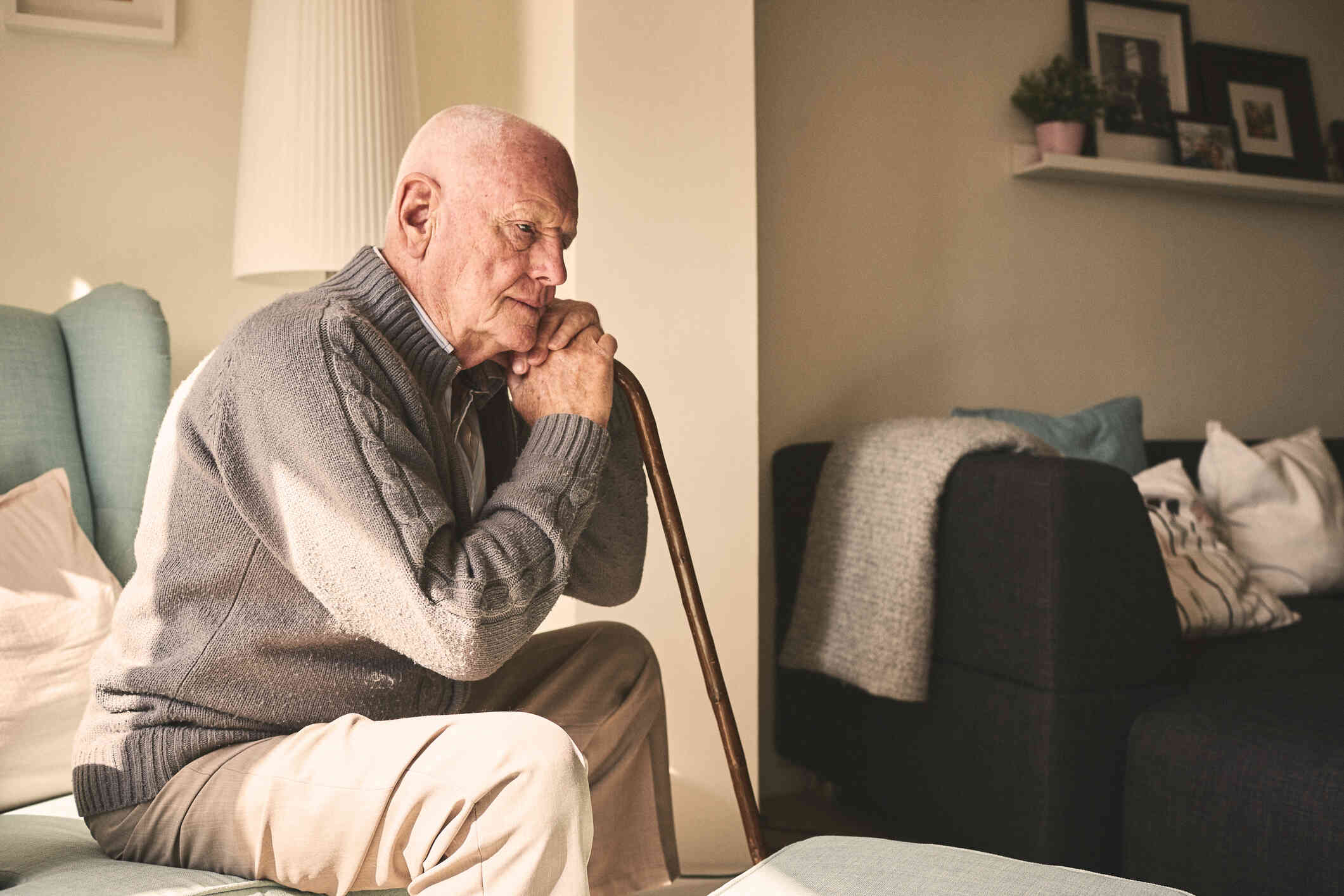
A look at veteran suicide and why awareness matters
Veteran suicide not only affects the individual but also their military community, family, friends, and loved ones. When someone dies by suicide, it could be an indicator that they’ve been suffering mentally, emotionally, or physically, which can be difficult for loved ones to comprehend. However, community members can raise awareness for veteran mental health to help prevent and address veteran suicide in the future.
Supporting those transitioning from military to civilian life
Sometimes, mental health conditions such as post-traumatic stress disorder (PTSD) or traumatic brain injury (TBI) are misperceived as signs of weakness in the military community, which can prevent people from seeking help. One way to support veterans might be to contribute to initiatives that reduce stigma, improve veteran healthcare, and reduce other barriers to treatment. To begin supporting veterans, individuals can check out Veteran Affairs or the Veterans Health Administration.
Veterans experiencing a mental health crisis or in need of immediate care can reach out to the Veterans Crisis Line and/or the National Suicide Prevention Lifeline by calling 988.
What is the veteran suicide rate?
During their service, veterans may be exposed to significantly more stress and trauma than the average civilian. This could contribute to the high prevalence of suicide among veterans. In 2022, there were 6,407 suicides among veterans. Since the veteran firearm suicide rate is also disproportionately high, the need for targeted prevention strategies and flexible mental health care is considered urgent.
Suicide rate in military vs. civilian populations
In recent years, data suggests that the veteran suicide rate is disproportionately higher than the general population. Regardless of their age and gender, veterans are more likely to commit suicide than civilians. While service members gain resilience, discipline, and other positive traits during active duty, there can also be challenges to consider.
Risk factors for veteran suicide
Several risk factors can increase the risk of veteran suicide. Below are some risk factors to be aware of:
- Combat exposure: Research suggests exposure to combat increases the risk of suicide, especially if attacked, ambushed, or directly responsible for the death of a noncombatant.
- Mental health conditions: PTSD, depression, and traumatic brain injury may be linked to both veterans and suicidal behaviors.
- Lack of economic resources: From unemployment to financial hardship or housing insecurity, integrating back into society after service can be difficult for a veteran.
- Ownership of lethal means: Firearm ownership can increase suicide risk for men and women.
The mental health challenges of military service
Like other demanding careers, military life may come with its fair share of challenges, including time apart from loved ones, exposure to traumatic or violent events, difficult life transitions, and, at times, community stigma surrounding mental health. However, military service can also provide individuals with a strong sense of direction and fulfillment. Stepping away from the military may sometimes result in a loss of purpose and identity, making the transition to civilian life especially challenging for many veterans.
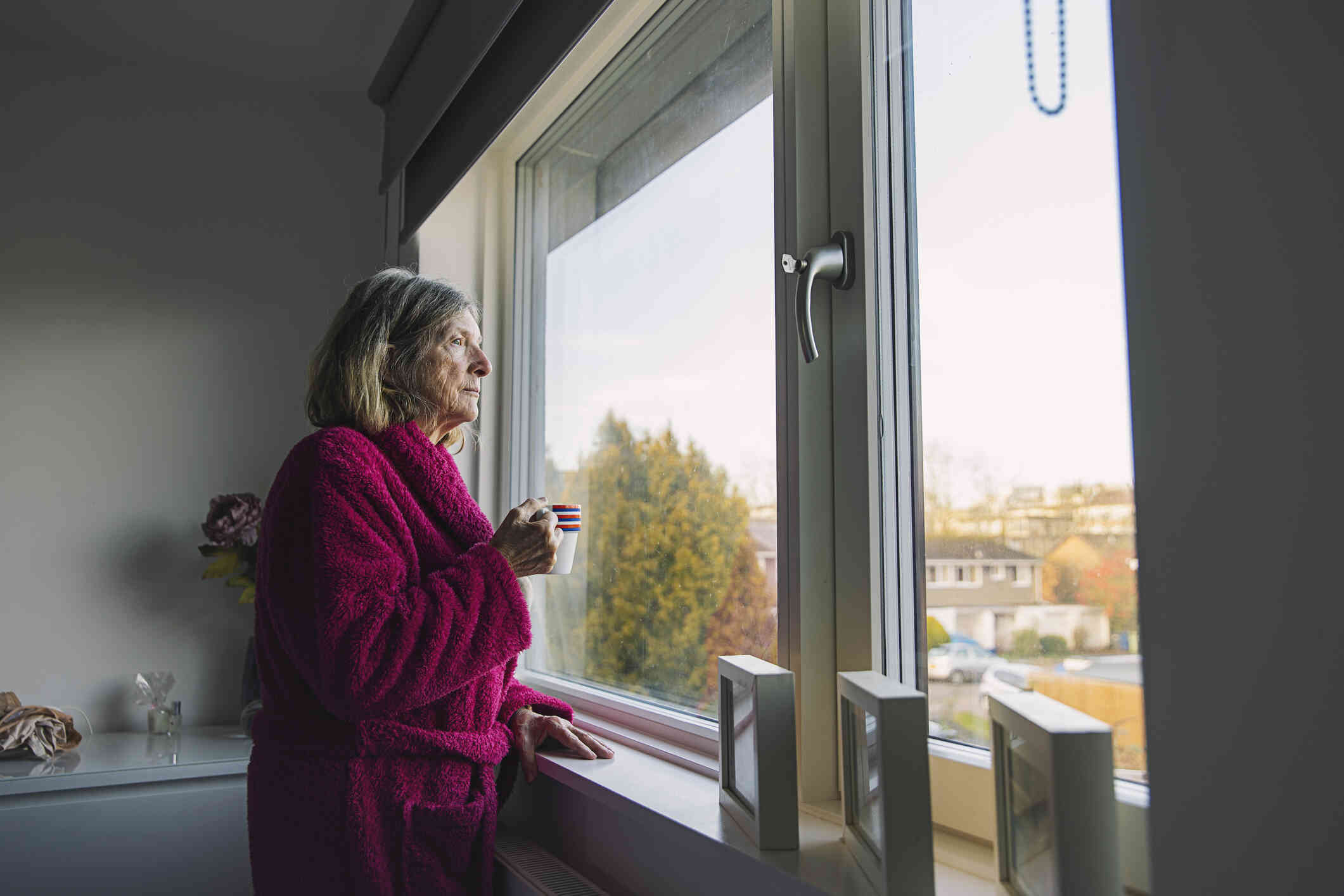
Health conditions linked to veteran suicide
For some veterans, difficult life transitions – such as time away from loved ones – can lead to mental health symptoms such as loneliness, sadness, and anxiety. When symptoms become intense and persistent, individuals may develop a mental health condition like depression. In other cases, exposure to traumatic events – such as combat, death, or war-zone trauma – can lead to PTSD. Research suggests veterans with PTSD, depression, and other mental health conditions are more likely to die by suicide.
How a supportive community can help veterans
Social and familial support can be beneficial for overall health, providing emotional support and a sense of belonging. However, returning from active military duty can be an unsettling change, and some veterans may not have social support systems to lean on. However, there are platforms available where veterans can support one another.
Peer support for veteran health and suicide prevention
For military members, speaking with peers, fellow veterans, and others who understand what it means to serve can be especially valuable. Peers may provide a deeper level of understanding and empathy, rooted in shared experiences. Open conversations about mental health can also help reduce stigma within the veteran community. Research suggests that peer support activities enhance veteran health and well-being, highlighting the positive impact of peer-led interventions.
Suicide prevention strategies for veterans
With the support of military members, their friends, family, and the wider community, progress can be made towards preventing veteran suicide. Some effective strategies for veteran suicide prevention may include:
- Reduce barriers to care for mental health services, including the cost of therapy and urgent care services.
- Create safe living environments for veterans by reducing firearm availability and ensuring veterans have safe, stable housing.
- Promote healthy connections by engaging veterans in peer-led activities such as group counseling, community events, or support networks.
- Strengthen health insurance policies by ensuring coverage for comprehensive mental health services, including therapy, crisis intervention, and long-term care.
How early intervention can help with suicide prevention
Early intervention measures can support veterans at a heightened risk of suicide. If symptoms such as withdrawal, hopelessness, or self-harm are suspected, reaching out to a therapist may be worthwhile. Early treatment can improve the likelihood of positive health outcomes and reduce long-term risk. Friends, family members, or veterans themselves can contact a mental health professional as soon as symptoms appear, helping to provide timely care.
Online health care for veterans
Veterans may face barriers to in-person care, such as the financial burden of healthcare, the inability to travel to and from appointments, geographic limitations, or childcare and work conflicts. However, these barriers can be reduced by utilizing online therapy. Mental health care platforms such as BetterHelp connect individuals with therapists who can meet their needs. With a network of over 30,000 providers – including specialists in PTSD – therapists can help with symptoms, suicide prevention, and other mental health concerns. Individuals can attend sessions from the comfort of home, at an affordable rate, and at a time that suits them best.

Does online mental health care work for PTSD?
Sometimes, veterans face prolonged stress and adversity, are exposed to traumatic events, or witness death or injury in combat environments. These experiences can heighten their risk for PTSD. Research from the U.S. Department of Veterans Affairs suggests that online therapy can be clinically effective for individuals experiencing PTSD, resulting in improvements in symptom reduction and overall quality of life.
Takeaway
Being a military member can be both a rewarding and challenging experience. While serving is often fulfilling, veterans may later experience mental health conditions such as depression, PTSD, or traumatic brain injury. Without proper support and treatment, these conditions can increase the risk of suicide, a pressing public health issue within the veteran community.
By supporting initiatives centered on veteran health – such as advocating for stable housing, affordable healthcare, and comprehensive insurance coverage – friends, family members, and communities can all play a role in supporting veterans. Peer support might also be valuable, as individuals who have encountered similar experiences can offer empathy, understanding, and a sense of connection.
How to reduce veteran suicide?
Adequate mental health support may be the key to lowering suicidal mortality among the Veteran population. You can play a critical role by advocating for the Veteran in your life and letting them know about the resources available to them. Many people are calling for a national strategy to address the veteran suicide crisis in the United States.
What lifestyle choices can help reduce the risk of suicide?
According to the Centers for Disease Control (CDC), certain lifestyle factors can lower the risk for suicide, including avoiding substance misuse, getting a pet, and socializing with friends and family.
How to calm down a veteran with PTSD?
Veterans and military personnel may be at a higher risk of developing post-traumatic stress disorder compared to the general population. There could be several strategies that may help someone who is experiencing a PTSD episode. For instance, reminding them that they’re safe, helping them practice deep breathing exercises, and using grounding techniques may be beneficial.
How to help veterans with mental health?
Veterans may be disproportionately affected by certain mental health conditions such as anxiety and depression, for instance, compared to the general adult population. To help a Veteran experiencing mental health concerns, it could be useful to offer a listening ear, validate their feelings, and point them toward professional mental health support.
What is the best veteran suicide charity?
There may not be one best veteran suicide charity, but rather several reputable organizations that work to reduce Veteran suicide. Some of these organizations include:
- National Veterans Foundation
- Stop Soldier Suicide
- Wounded Warriors Project
- National Action Alliance for Suicide Prevention
- National Center for PTSD
- America’s Warrior Partnership
What is the best question to ask a Veteran when screening for suicide risk?
It’s best not to circumvent the issue. Instead, directly ask, “Are you thinking about suicide?”. This directness can be crucial in order to ensure clarity. Your openness about the subject could also encourage a Veteran to open up about any suicidal ideation they’ve been experiencing.
What is Treatment Works for Veterans?
Treatment Works is a public information website for Veterans and military families who want to learn more about mental health treatments and resources available for Veterans. Here, Veterans may find VA benefits, resources, and information from the National Institute on Mental Health, US Department of Health and Human Services, Department of Veterans Affairs, and other federal agencies.
What are the risk factors for veteran suicide?
Veterans and service members may face various risk factors that could contribute to the likelihood of suicidal thoughts or attempts. Examples may include:
- Military sexual trauma
- Combat
- Being separated from the military
- Mental health conditions like anxiety, depression, and PTSD
How can I support a Veteran in crisis?
To support a veteran in crisis, it could be important to approach them with a calm and compassionate tone and demeanor. Listen to their concerns without judgement and directly ask them if they’re thinking about ending their life (or any other life threatening behavior). Get additional support by calling the Veterans Crisis Line or 911 if necessary.
Why is it so hard for veterans to get help?
Many veterans find it challenging to get mental health support due to the stigma surrounding mental health in the veteran community as well as the broader public. Some Veterans, in particular, including female veterans, may believe that asking for help is a sign of weakness.
- Previous Article
- Next Article