The Impact Of Breath And Movement: Exploring A Morning Yoga Routine
For many individuals, mornings can be hurried and demanding. They are often marked by a sense of urgency that begins the moment the day starts, and this can influence mood, focus, and emotional regulation in the hours that follow.
A morning yoga routine can offer an intentional way to shift this experience. Through breathwork, movement, and mindfulness practices, the morning may become an opportunity for clarity rather than tension. This transition can not only reduce immediate stress but also contribute to improved emotional well-being and cognitive function over time.
This article explores the benefits of starting the day with yoga, including its potential to ease anxiety, support emotional balance, and enhance brain function. Additionally, we will highlight some practical strategies for creating a morning routine tailored to individual needs.
The mental health benefits of a morning yoga routine
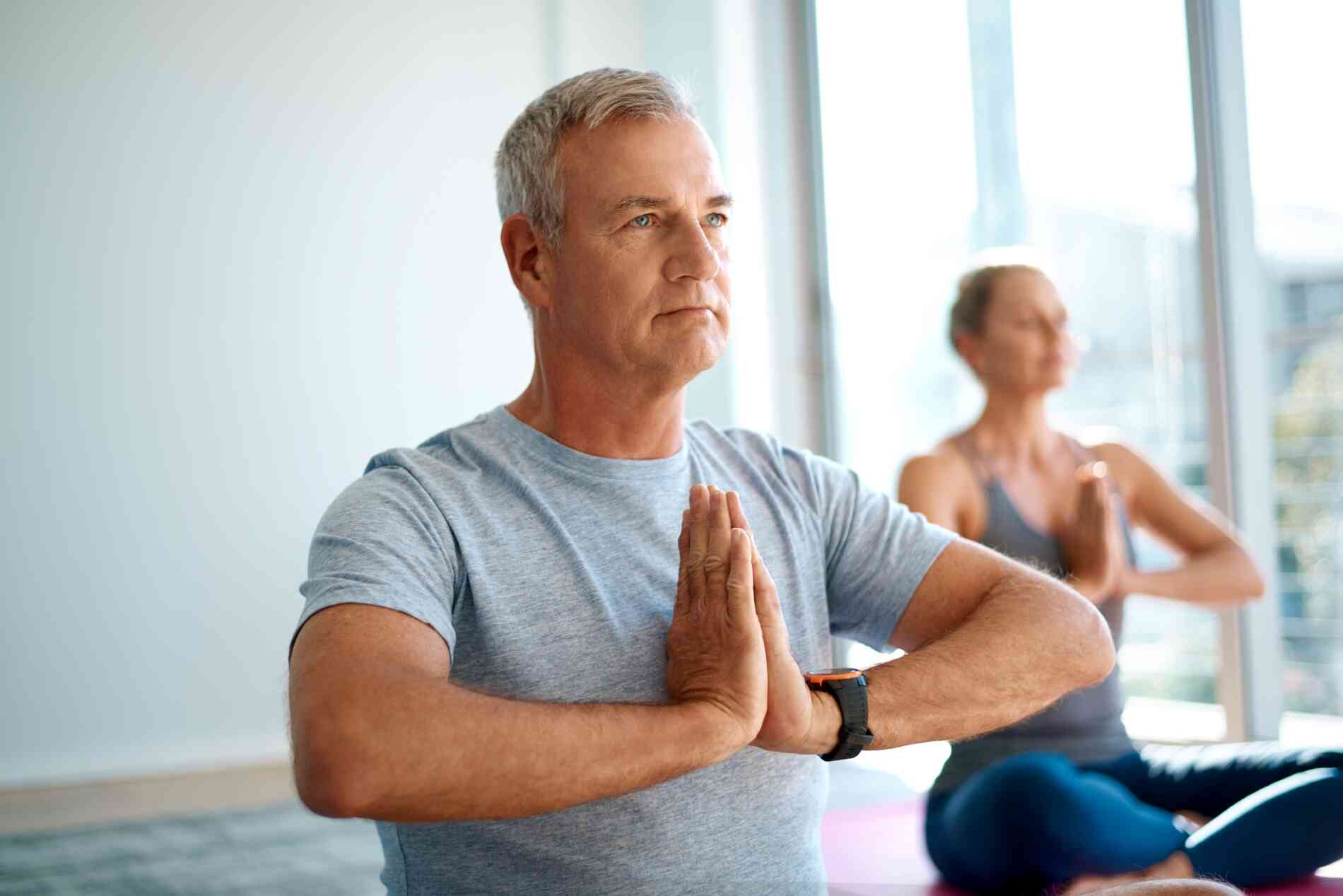
When practiced regularly, yoga has been associated with meaningful reductions in anxiety and symptoms of depression. This isn’t solely due to its relaxing movements. Its roots in breathing practices and meditation can provide an accessible way to calm the mind and regulate internal states, especially at the beginning of the day.
Perhaps less commonly known is yoga’s ability to sharpen cognitive function. Research suggests that engaging in regular yoga may enhance brain structure and function, leading to improved attention, memory, learning, and language processing skills. Over time, brain cells may begin forming new connections. Some researchers have even described yoga as “weightlifting for the brain.”
Studies using brain imaging tools like MRIs have shown that yoga practitioners tend to have a thicker cerebral cortex, which plays a key role in information processing, and a more robust hippocampus, which is involved in learning and memory. These brain areas often shrink with age, but older adults who practiced yoga showed less decline in cognitive capacity than non-practitioners.
Other studies have noted improvements in executive functions, including decision-making, reaction time, and reasoning, following consistent yoga and meditation practice. This might help explain why those who maintain a morning yoga routine often report greater emotional clarity and mental steadiness as the day unfolds.
In addition to structural brain changes, mood can also shift in lasting ways:
- Yoga can help regulate the limbic system, the part of the brain responsible for processing emotions. Meditation, in particular, has been found to reduce overactivity in this area, leading to a more measured response to stress.
- Older research suggests that practicing yoga regularly may increase levels of GABA, a brain chemical associated with calm and mood stabilization. This can be especially helpful for those managing anxiety.
- Like other forms of exercise, yoga can boost endorphins and improve the circulation of oxygen-rich blood to the brain, supporting both mood and mental sharpness.
By combining the emotional grounding of breathwork with the cognitive benefits of physical movement, morning yoga can be an opportunity to reduce stress, regulate emotions, and support brain health.
How morning yoga sets the tone for the day
What happens in the first few minutes after waking up often ripples into the hours that follow. While some routines begin with to-do lists or scrolling social media, yoga may offer a slower entrance into wakefulness.
A simple morning yoga routine can positively impact your day in several ways:
- Boosts energy and focus: Gentle stretching and deep breathing can wake your body and mind, helping you feel more alert and clear-headed.
- Reduces stress and anxiety: Starting the day calmly can set a peaceful tone, making it easier to handle challenges with less tension.
- Improves posture and flexibility: Morning movement can release stiffness and improve posture, which may prevent aches and support better physical health.
- Encourages healthy habits: A morning yoga routine often leads to better choices throughout the day, like eating well, staying active, and taking breaks.
- Creates a positive mindset: Taking time for yourself may build self-discipline and gratitude, helping you feel more positive and balanced.
Why it’s crucial to breathe during yoga
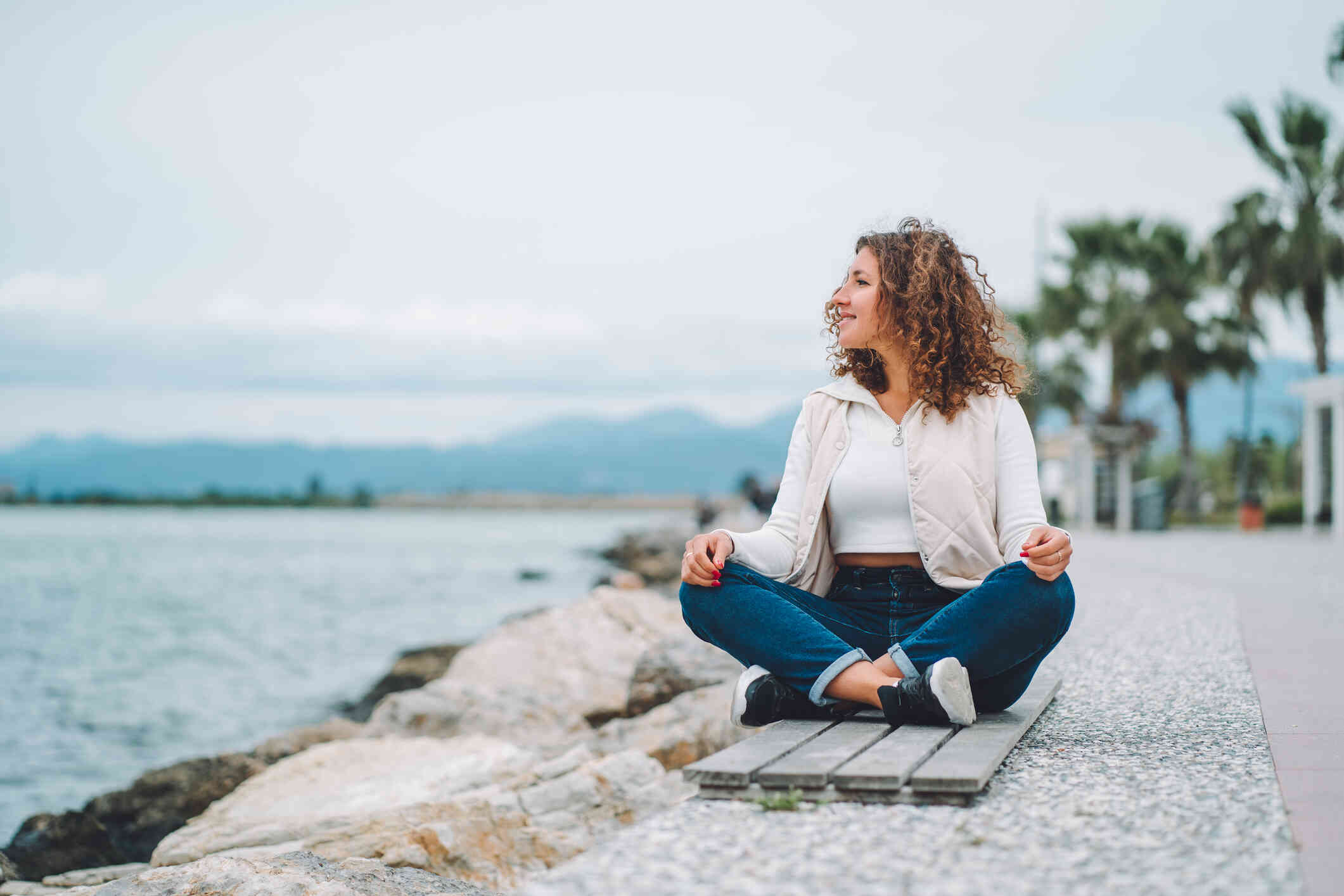
Breath may be simple, but it isn’t passive. It can play a powerful, physiological role in regulating stress and emotion, especially when brought into conscious focus.
- Deep, rhythmic breathing can activate the parasympathetic nervous system, which cues the body to rest, digest, and restore.
- Slowing the breath typically lowers cortisol, a hormone often linked to chronic stress and fatigue. It can naturally reduce heart rate as well.
- Synchronizing each movement with breath can help individuals cultivate a full-body awareness that centers the mind.
The breath is always available. When it becomes a conscious companion in yoga, it can shift from a background function to an emotional anchor.
The impact of releasing tension in the hips
The hips are a central point of movement and stability in the body. Prolonged sitting with legs bent, repetitive motion, and muscle imbalances can lead to tightness in this area, often contributing to lower back strain, limited mobility, and poor posture.
Incorporating hip-opening yoga poses into a morning yoga routine can offer several physical benefits:
- Increased flexibility: Poses like butterfly, half lotus, and wide-legged forward folds can stretch the hip muscles, improving joint range of motion.
- Better spinal alignment: Tight hips often contribute to lower back discomfort. Releasing this tension can support a more balanced pelvis and spine.
- Improved circulation: Morning movement can encourage blood flow, supporting joint health and muscle recovery.
- Reduced risk of injury: Flexible hips typically allow for smoother movement and reduce strain on surrounding joints.
Gentle stretches with knees bent, feet hip-distance apart, or supported by props can safely target hip tension. Regular practice may enhance comfort not only on the mat but in daily life.
Creating your personalized yoga flow
Yoga isn’t one-size-fits-all. Some individuals benefit from a routine that focuses mainly on breathing. Some prefer silent morning yoga, while others prefer a combination of yoga and music.
It can also be important to find yoga practices that accommodate your body’s needs. A few guiding principles can shape a morning yoga routine:
- Consider how the body feels upon waking: tight, restless, sluggish, or grounded. Note any areas that feel tight or sore.
- Choose poses that feel soothing rather than strenuous.
- Let breath lead the movement rather than rushing to the next stretch.
Don’t forget to breathe: Incorporating breathing techniques
Before reaching for poses or transitions, try beginning with breath:
- Diaphragmatic breathing, where the belly rises on each inhale, can gently awaken the body.
- Alternate nostril breathing may help you find more balance.
- Deep inhales through the nose followed by slow, complete exhales through the mouth can send a signal of calm to the nervous system.
This simple beginning can set the foundation for emotional presence.
Using a slow yoga flow to transition from sleep to wakefulness
Your first movements of the day don’t need to be intense. Simple, consistent movements and stretches often have the longest-lasting effects:
- Cat pose and cow pose offer gentle spinal movement and allow you to create space between the shoulder blades.
- Child’s pose can stretch the upper body, hips, and lower back while big toes touch.
- Small transitions with the right and left arm extended can bridge stillness and motion.
Rather than striving for intensity, you may benefit from focusing on anchoring into each movement and allowing transitions to be deliberate rather than rushed.
Opening the hips with seated stretches
Once the body has begun to wake, hip-opening poses can offer a deeper release. Some hip opening poses include the following:
Lizard pose:
Find a low lunge with your left knee forward and lower your right knee to the mat.
Place your left hand outside your left foot and place your right hand inside of the foot for support.
Let your hips sink down while engaging your core to deepen the stretch in the hip flexors and inner thigh. Hold for several breaths.
Repeat on the other side.
Reclined figure-four stretch:
Lie on your back and cross your left ankle over your right thigh.
Clasp your hands behind your right knee.
Gently pull the legs toward you, keeping the left knee open to stretch the outer hip. Hold for several breaths.
Repeat on the other side.
Half-lotus pose:
Sit cross-legged, then bring one foot up to rest on the opposite thigh.
Keep the knee relaxed and moving toward the floor to encourage hip opening.
Use a cushion or block under the knee for support. Hold for several breaths.
Repeat on the other side.
Seated forward fold:
Sit with both legs extended straight in front of you, muscles engaged and feet flexed.
Inhale to lengthen the spine, then exhale and fold forward from the hips, maintaining a straight spine.
Let your hands reach toward your feet, shins, or mat, depending on your flexibility.
Standing forward fold:
Stand with feet hip-width apart.
Hinge at the hips and fold forward, allowing the head and arms to hang freely.
Soften the knees to reduce strain and deepen the hip stretch.
More simple yoga tips
- Match each movement to your breath: Inhale while your arms extend, and exhale when you fold.
- Use transitions like plank, downward dog, and chair pose to build strength and focus.
- Modify poses based on your body’s cues and energy levels. For example, bending your knees in a forward fold and choosing not to push past your limits can reduce the risk of injury.
Sustaining a morning yoga habit
When it comes to the mental and physical health impacts of yoga, consistency can offer long-lasting effects. Here are some helpful ways to maintain a morning yoga routine:
- Practice at the same time each day to build an internal rhythm.
- Choose flows that are enjoyable, not just “productive.” You can follow along with morning yoga flow videos created by a certified yoga instructor on YouTube.
- Notice how your mood and energy shift, even subtly, over time.
Committing to 10 minutes of a morning yoga routine
Healthy, sustainable habits often begin with a small start. One way to start and maintain a morning yoga habit is to try committing to 10 minutes of morning yoga.
- Set a timer for 10 minutes to remove pressure while establishing structure.
- Focus on presence during those 10 minutes.
- Over time, a 10-minute practice may remain the same or evolve into longer sessions. Even a few minutes of daily yoga are beneficial.

How therapy can help
Therapy can complement a morning yoga practice by helping individuals stay consistent, process emotions, and find tools to manage stress and deepen emotional awareness for overall mental health.
The benefits of online therapy
Online therapy can provide a flexible and accessible way to receive mental health support, making it easier to fit into busy schedules without the need for travel. Research shows that online therapy can be just as effective as in-person sessions for many individuals, providing comparable improvements in emotional well-being and symptom reduction.
This mode of therapy often reduces barriers to consistent care, allowing people to engage more regularly with their therapists, which can enhance long-term outcomes, especially when combined with self-care practices like morning yoga.
Takeaway
Which yoga is best for the morning?
Each person may benefit from different types of yoga. For example, some may prefer energizing postures like chair pose, boat pose, and downward-facing dog. Others may enjoy starting with stretches like cat-cow, pigeon pose, happy baby, and a reclining twist on either side.
Cat-cow is often a great starting point for a morning yoga routine because it stretches the spine, which can be stiff after a night’s rest. To do cat-cow, start on all fours with your shoulders directly above your wrists and your knees directly below your hips. Breathe in and arch through your spine, looking up. As you breathe out, reverse this motion, rounding through your spine, tucking chin to chest, and creating space between the shoulder blades. Repeat several times.
You can follow cat-cow with child’s pose. Start in a kneeling position, allowing your big toes to touch and spreading your knees as much as is comfortable. Drape your upper body over your lower body, lowering your forehead to the floor and relaxing your left arm and right arm to the sides of the body or relaxing arms overhead.
From child’s pose, you might move into a low lunge. Step your left leg forward, keeping your ankle directly under your knee, and allow the back knee to rest on the ground. Place hands to either side of your foot or rest them on blocks for support. Hold the stretch for several breaths before repeating on the other side by returning to all fours and then stepping your right foot forward.
Next, you might move into a standing forward fold. From the previous pose, step your left leg (your back leg) up to meet your right leg and stand up, engaging your core. You can keep each leg straight, but it’s usually best to keep your legs bent and your feet flat on the floor. Lean forward from the hips, maintaining a straight spine, and slowly lower your hands to your thighs, calves, feet, floor, or blocks.
You can also do a standing side stretch by standing tall, raising the left arm, and reaching toward the right while keeping your right hand on your hip. You should feel a stretch in the left side of your body. Repeat this stretch on the other side.
Is it good to do yoga as soon as you wake up?
Doing yoga shortly after waking can set a calm, centered tone for the day. However, you can do yoga at any time of day.
Will 20 minutes of yoga a day make a difference?
Yes, 20 minutes of yoga each day can make a difference both physically and mentally. Even 10 minutes of yoga, when done consistently, can lead to changes in the body and mind.
How long should a morning yoga session be?
A morning yoga session can range from five minutes to 90 minutes. It’s generally recommended to customize your yoga practice to fit your needs and schedule, rather than aiming to practice for a specific amount of time.
How do you start doing yoga in the morning?
An easy way to begin doing yoga in the morning is to follow along with beginner YouTube videos. A simple search for “beginner morning yoga” should provide you with plenty of options.
How does yoga affect your mental health?
Yoga tends to have a positive impact on mental health. Mood and cognitive function tend to improve with a regular yoga practice.
How often should you do yoga for mental health?
There isn’t a universal recommendation regarding how often to do yoga for improved mental health. You might start by practicing yoga two or three times per week.
What type of yoga is best for mental health?
There are many types of yoga, from relaxing restorative yoga to invigorating vinyasa yoga. Yin and hatha yoga are two other options to consider. It may be helpful to try multiple kinds of yoga to determine which one suits you.
What is the most calming type of yoga?
Restorative yoga and yin yoga tend to be the most calming options. Both tend to focus on deep breathing and stretching, but yin yoga emphasizes holding each stretch for several minutes at a time.
What is the best yoga for anxiety and depression?
Hatha yoga may be a good place to begin, but options like restorative yoga, yin yoga, and vinyasa yoga can also promote mental health when practiced regularly. Consider following along with YouTube videos or taking classes at a local yoga studio.
- Previous Article
- Next Article