Gender, Sexuality, and Mental Health: What Modern Research Is Teaching Us
- For those experiencing suicidal thoughts, please contact the 988 Suicide & Crisis Lifeline at 988
- For those experiencing abuse, please contact the Domestic Violence Hotline at 1-800-799-SAFE (7233)
- For those experiencing substance use, please contact SAMHSA National Helpline at 1-800-662-HELP (4357)
Researchers and mental health professionals are gaining deeper insight into how identity shapes emotional well-being, stress, and support needs.
Throughout the 21st century, mental health awareness has risen, encouraging public conversation on issues once taboo to talk about. Societal awareness helped de-stigmatize going to therapy, taking medication, and talking openly about mental health issues, especially for younger generations.
Mental health experiences are not universal
While most Americans today believe mental health care is necessary, 75% still believe society discourages them from seeking help, BetterHelp reports. Modern mental health research is exploring how identity shapes mental health experiences, including access to care.
Gender and sexuality impact people’s lived experiences and stressors. Mental health care needs to take identity into account to provide accessible and effective care.
Today, providers are increasingly adopting a personalized, identity-informed treatment approach to improve mental health outcomes for people from all backgrounds.
How identity can shape mental health experiences
How people identify shapes most aspects of their lives. Race, gender, sexuality, culture, religion, and personal beliefs influence how people see each other and experience the world.
Identity can greatly impact people’s mental health. Not everyone has the same lived experience, and external factors play a role in emotional well-being. Certain communities and professions are exposed to higher rates of trauma and stress than the general population. Identity-related stressors, such as discrimination, can increase the prevalence of certain mental health issues.
Relationship dynamics and personal beliefs affect how people feel about themselves. Social acceptance of mental health issues varies within cultures and communities. These factors make it significantly harder for some individuals to address their concerns or seek help.
What research says about LGBTQ+ mental health
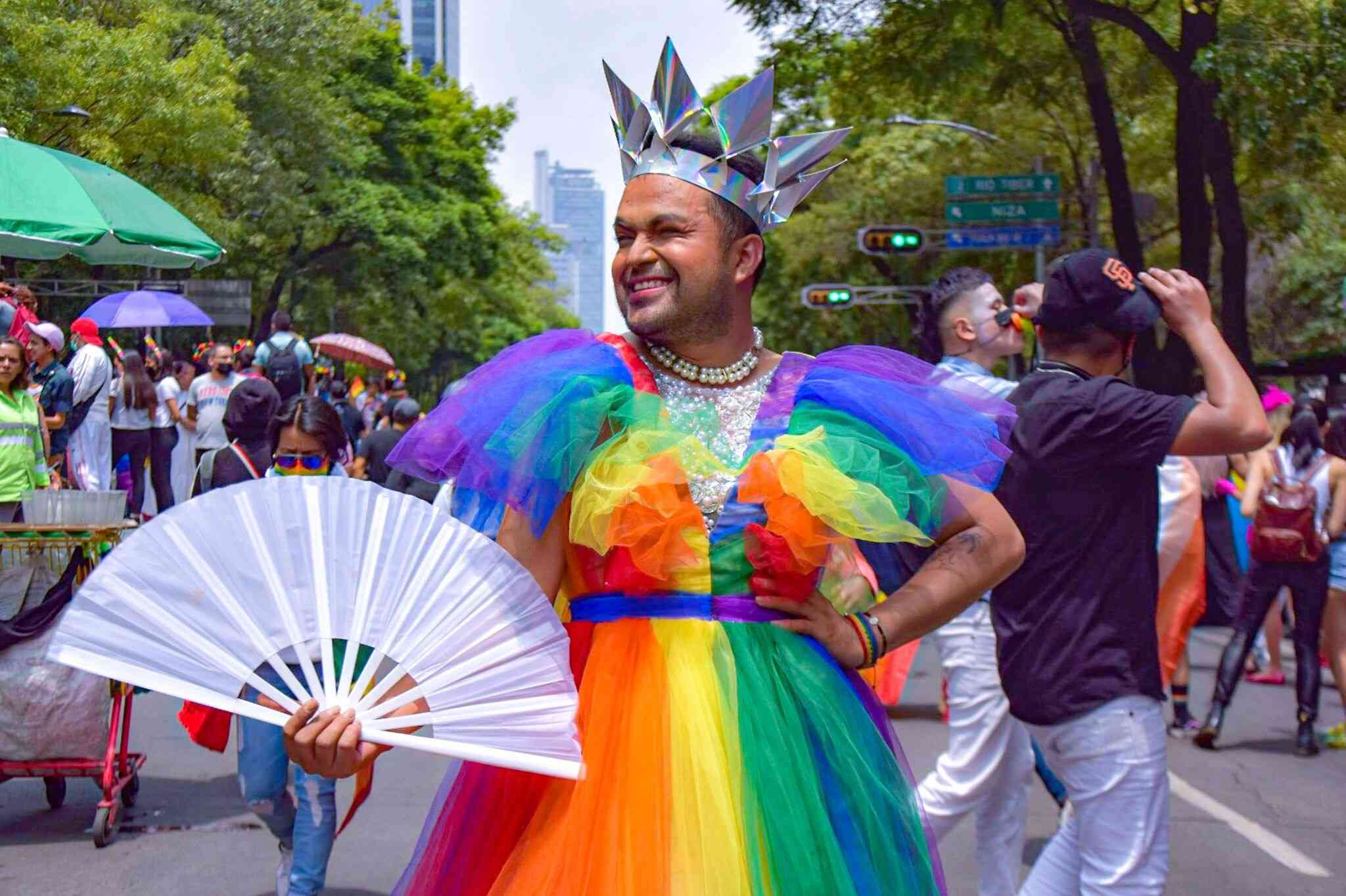
Research consistently shows that sexual and gender identity greatly impacts mental health. For over two decades, researchers have used the minority stress model to explore the social, psychological, and structural factors that impact LGBTQ+ individuals' mental health.
Overall, LGBTQ+ populations experience higher rates of depression, anxiety, self-harm, substance abuse, and suicide than cisgender, heterosexual populations.
Studies show that lesbian and bisexual women have especially high rates of substance abuse, while gay and bisexual men have higher rates of suicide attempts. Transgender and gender diverse youth experience higher rates of psychological distress than any other sexual minority group. Their identity is often more visible, which may lead to increased experiences of rejection, discrimination, trauma, and violent harm.
People from sexual minority groups experience consistent social stress, be it stigma or discrimination, compared to heterosexual populations. They may commonly experience stressors such as discriminatory policies and laws, violent hate crimes, daily microaggressions, and chronic stressors like poverty.
Research shows that social and environmental factors are tied to mental health outcomes. According to a national 2024 survey by The Trevor Project, almost half of LGBTQ+ youth reported bullying at school due to their identity. 39% seriously considered suicide over the past year (46% for transgender and nonbinary youth). 90% of LGBTQ+ youth noted that recent politics negatively impacted their mental health, while 45% of transgender or non-binary youth have considered moving to another state because of local politics and laws.
By comparison, transgender and non-binary youth who live with people who respect their pronouns, feel their school is gender-affirming, and live in accepting communities reported notably lower rates of suicide attempts.
If you or someone you know is struggling or in crisis, help is available. Text or call 988 or chat 988lifeline.org. Support is available 24/7.
Why inclusive therapy approaches matter
LGBTQ+ individuals experience additional barriers to receiving therapeutic care. People are more likely to seek help if they feel understood and accepted, but concerns about stigma and cost prevent the majority of LGBTQ+ individuals from getting help.
They also report higher rates of discrimination, even in health care settings. Having to educate their therapist on terminology, being misgendered, or feeling like their provider disapproves of their identity can make the process of finding a therapist exhausting, alienating, and even harmful.
Inclusive therapy is essential for improving mental health outcomes for sexual minority populations. Inclusive therapy acknowledges someone’s identity and validates their lived experience. Identity should also inform their treatment plan, as personal history and lived experience determine which therapeutic approach is most effective.
Therapists need to have adequate training and education when working with LGBTQ+ individuals. Cultural competence prevents misdiagnosis, harmful assumptions, and stigmatization. This is particularly imperative when working with young or transgender and gender diverse individuals.

The Evolution of Gender Psychology and Mental Health Research
Modern psychology is evolving as we do. Historically, little research was done on the psychological impact of gender roles, norms, and identity. Psychology today aims to gain a more nuanced understanding of the intersection of gender identity and mental health.
According to BetterHelp, 3 in 4 Americans experienced anxiety or depression within the past two weeks, which is worse than in 2025.
As the prevalence of psychological disorders grows today, researchers are exploring gender’s impact. Publications on gender and mental health have significantly increased globally since 2015. New research confirms gender is a key factor in understanding psychological resilience and mental health access.
The Role of Accessibility and Teletherapy
Therapy must be accessible for LGBTQ+ populations. Inclusive, affirming care is often not possible for people who live in rural areas or who can’t afford it. 50% of LGBTQ+ youth were not able to receive mental health care when they wanted it, The Trevor Project reports. This is how teletherapy can help.
Teletherapy makes therapy more accessible, studies show. Therapy is now available over the phone, through video calls, and by text. Telehealth expands access to inclusive therapists, offers lower-cost care, and accommodates individuals who can’t physically go to therapy. It also supports different communication styles and time constraints.
In today’s digital world, accessible, successful mental health care needs to be flexible. It’s crucial that therapists offer a wide range of accommodations to successfully treat clients from all backgrounds.
Getting started with BetterHelp is simple:
- Take a short questionnaire. Answer a few quick questions about your goals, preferences, and the type of therapist you’d like to work with.
- Get matched quickly. In most cases, you can be matched with a licensed provider in as little as 48 hours.
- Start therapy on your terms. Schedule sessions by video, phone, or live chat, and join from anywhere you have an internet connection.
Finding the right therapist isn’t just important – it’s everything.
Find your matchWhat This Means for the Future of Mental Healthcare
Flexible, inclusive care is the future of mental healthcare. According to a 2026 survey by BetterHelp, people don’t seek professional help due to cost, time constraints, fear of judgment from therapists, or the belief that it won’t help. Addressing the barriers to mental healthcare is essential. People today need readily available mental healthcare that suits their lifestyle needs.
Across all generations, stigma remains the main barrier to mental healthcare. Providers today need to have cultural competence and an understanding of people from diverse backgrounds. Identity-affirming care that tailors treatment modalities to an individual's needs and lived experiences is needed to combat rising rates of psychological distress.
Global disparities in accessible mental healthcare remain stark, as treatment gaps exceed 75% in low and middle-income countries. Adopting proven tools such as digital technology and integrative, community-based support can make healthcare more accessible globally, the World Health Organization reports.
Takeaway
Modern mental health research proves that gender identity and sexuality impact mental health. Today, people and providers are reevaluating what supportive, effective mental health care looks like. There is a growing movement for personalized, identity-informed mental health care. As providers embrace inclusive care, mental health care outcomes are expected to improve for LGBTQ+ individuals.
- Next Article
This article provides general information and does not constitute medical or therapeutic advice. Mentions of diagnoses or therapy/treatment options are educational and do not indicate availability through BetterHelp in your country.
BetterHelp insurance availability, coverage, and cost may vary by state, plan, provider network, therapist availability, and deductible status.