Nature Therapy UK: Strategies, Techniques, and Benefits
Research indicates that mental health is becoming an increasing issue in the UK (and worldwide)—and with the rise in mental health challenges comes an increase in demand for care that has put a strain on the healthcare system. As such, mental health professionals are using innovative therapeutic modalities that clients can practice independently as a complement to more traditional treatments. One of these modalities is nature therapy.
In a fast-paced and technology-driven world, many people in the UK are turning to nature therapy to restore their mental and physical wellbeing. Nature therapy involves intentional engagement with the natural environment to reduce mental health problems like stress and anxiety while improving overall health. In the United Kingdom, individuals can engage with nature in many places, including rolling hills in the country and green spaces in the city.
As many people in modern life become more disconnected from the outdoors, research continues to highlight the importance and potential benefits of spending time in nature. Some techniques that a person can use to implement nature therapy on their own or develop a nature connection can include forest bathing, meditative walks, and horticulture therapy. This post will examine some nature-based therapy strategies and techniques to increase connection with nature and cover the many potential benefits of nature therapy for physical and mental health. Additionally, it offers advice on how to find a mental health programme or organisations in the UK that may provide nature therapy.
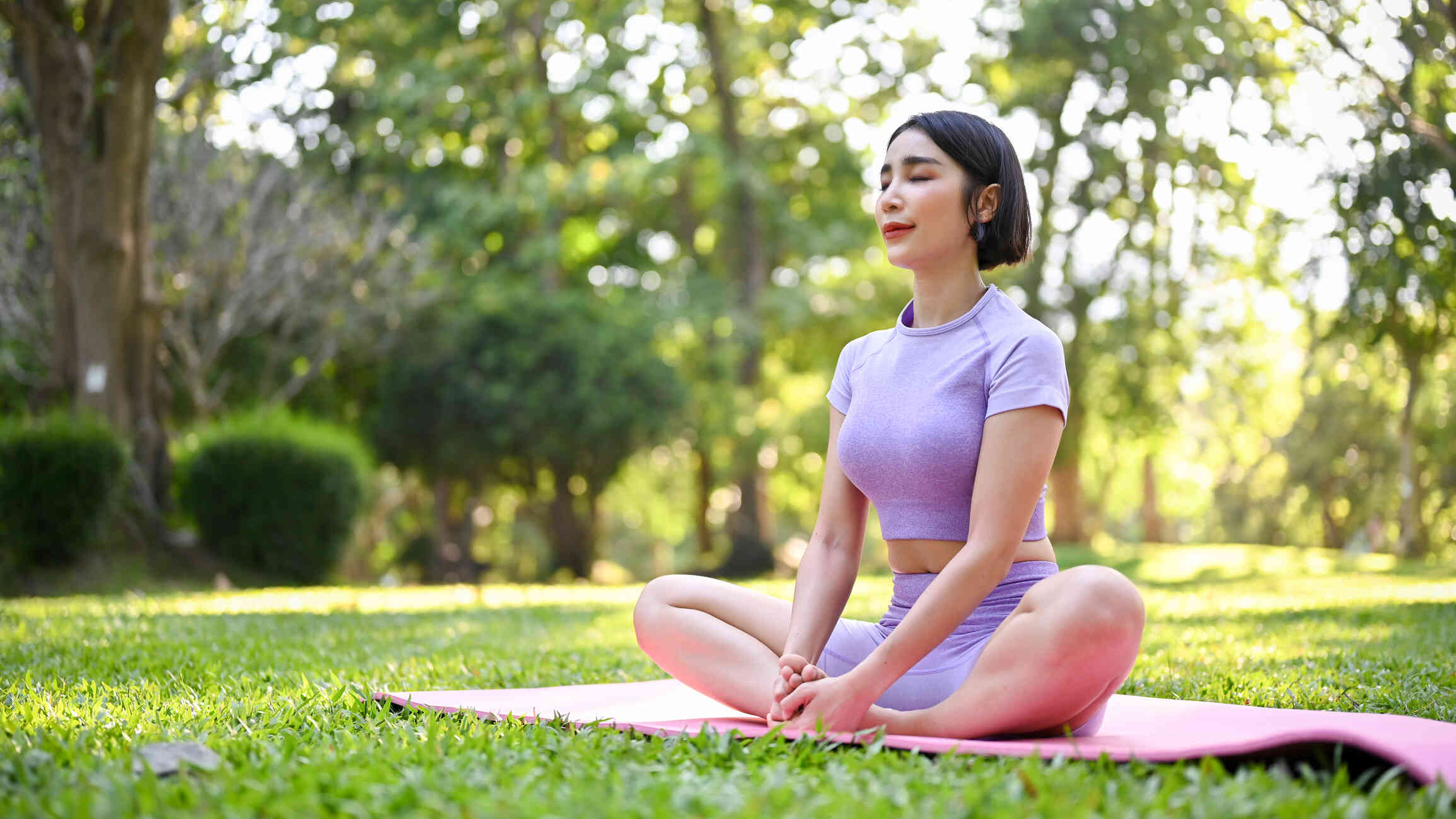
96% match with a therapist within 24 hours
Get matched to one of 5,000+ UK therapists available
What is nature therapy? Evidence-led practices for mental health recovery
Nature therapy, also known as ecotherapy or green therapy, is a therapeutic approach that utilizes the healing power of the natural environment to improve mental, emotional, and physical wellbeing.
The idea behind nature-based therapy is that human health is thought to be deeply connected to nature, so this practice encourages individuals to spend time outdoors in structured or unstructured ways to reduce stress and anxiety. Building and practicing mindfulness skills in nature may also enhance overall mood and promote relaxation, potentially supporting individuals as they recover from complex mental health challenges.
There may be many ways to connect with nature within one’s own community, and nature therapy can involve a wide array of techniques and strategies. That said, some key principles that often make it an effective approach to mental and physical health include:
- Direct connection with nature. Nature-based interventions encourage individuals to interact with their natural environment through sensory experiences, movement, and mindfulness.
- Mindfulness and presence. Many nature therapy techniques emphasize slowing down and being fully present in the moment to reduce stress, enhance awareness, regulate emotions, and nurture compassion.
- Availability for all. Nature therapy can be adapted for individuals of different ages and abilities, with activities ranging from laying on a blanket in the grass to gentle walks among the trees to more immersive experiences like hiking or camping.
- As individuals engage more with the beauty of wildlife and nature, they may also become more involved in efforts to protect the environment, further cultivating compassion and motivation.
Nature therapy techniques
For individuals seeking to practice nature therapy on their own, there are many different techniques that may be beneficial. When seeking out specific nature therapy practices, it may be helpful to talk to a professional who has training specifically in using nature therapy. They can discuss your options and help you develop a plan for exploring nature to address mental health challenges as you increase connection with the natural world.
While some choose to contact a mental health professional, anyone can enjoy and receive potential mental health benefits from experiencing nature on their own as well. Some examples of nature therapy techniques include:
- Forest bathing: a mindfulness-based practice that involves slowly walking through a forest, engaging the senses, and experiencing nature without distractions
- Horticultural therapy: using gardening and plant care as a therapeutic tool to promote relaxation and personal growth
- Animal-assisted nature therapy: building relationships with animals such as horses or dogs to receive comfort and emotional support
- Adventure therapy: outdoor activities like hiking, camping, and nature-based challenges that are designed to build resilience and may boost mental clarity
- Water-based therapy: activities such as swimming, riverside meditation, or spending time by a lake or the sea to enhance relaxation and wellbeing.
Increasingly, individuals and mental health professionals in the UK are integrating nature therapy into wellness routines and therapeutic practices. They may be formal or informal, group-based or individual, or involve the therapist and client meeting for counselling outdoors as a team rather than in an office. Many nature-based therapy techniques can be incorporated into daily life through lifestyle changes, such as taking a walk or choosing to spend other meaningful time outdoors.
Strategies for implementing nature therapy in the UK
There are strategies that may help you increase your time spent in nature. In the UK, even in urban areas, it may be possible to incorporate nature therapy into your life as a wellness strategy. Here are three strategies for implementing nature therapy techniques in the UK.
Finding green spaces
The idea of nature therapy may bring to mind days spent camping or at a retreat; however, while often beneficial, these are not the only way to receive the benefits of nature. Finding green spaces, including local parks or personal gardens, is a simple way to incorporate nature that many can engage in. Spending time in these green spaces may boost mood and improve mental health, even for individuals living in urban areas.
Integrating nature into daily life
Integrating nature into daily life can be a simple way to potentially reduce stress and anxiety and improve mood and emotional health. Simple ways to integrate nature into daily life can include walking to work or walking the dog through a park or natural area. It could also include setting aside 15 minutes to reflect in a park or garden. Starting a hobby such as bird-watching or hiking or volunteering at neighborhood parks, or beach clean-ups can be other ways to get out into nature more frequently.
Making seasonal adaptations
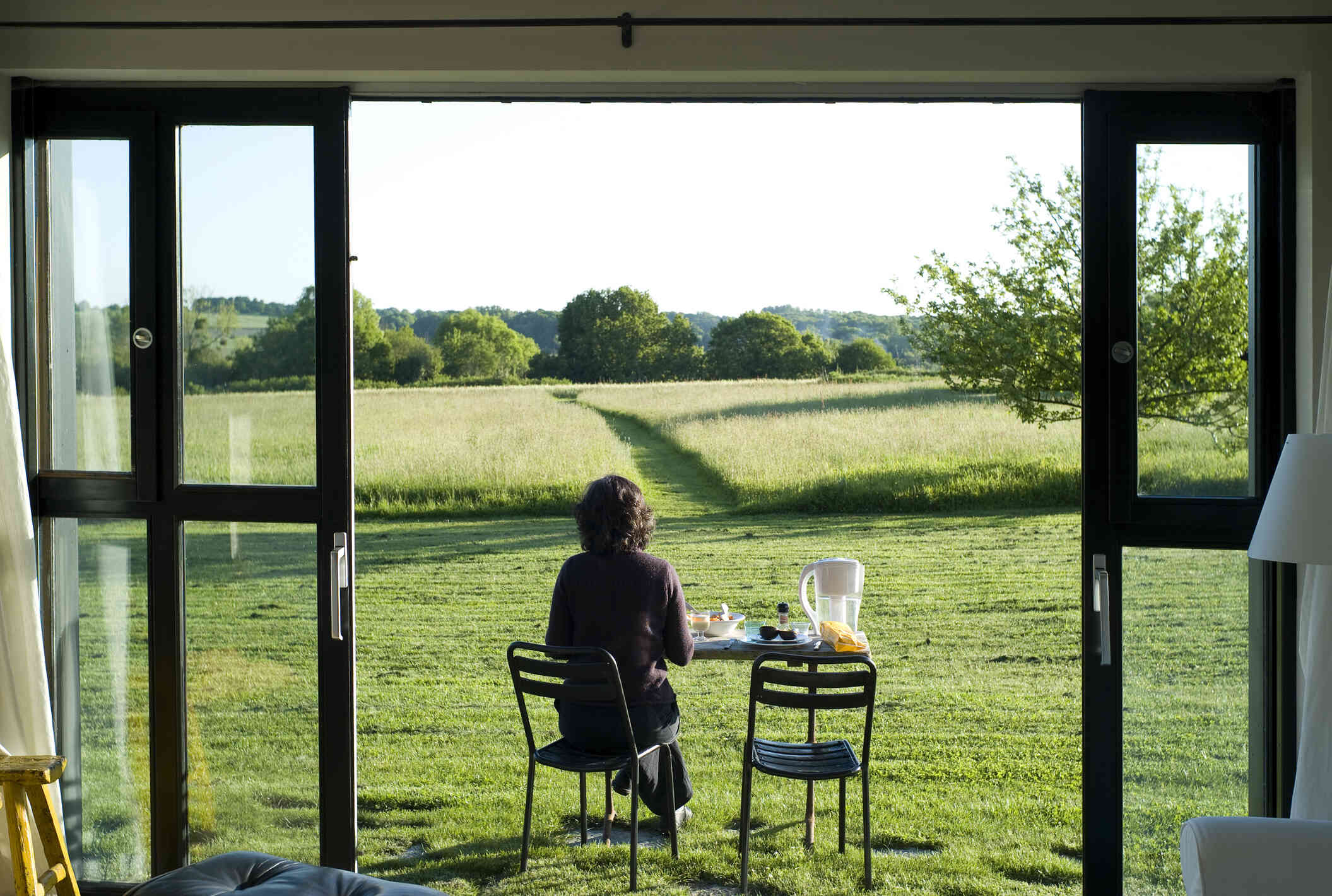
In some parts of the UK, getting out in nature can be more challenging in the winter as the weather becomes cold or rainy. As the weather turns, it may be advisable to change daily habits or hobbies to match the season rather than giving up on nature exposure during this part of the year. Examples of such changes could include taking shorter walks, looking for indoor garden spaces to spend time in, or adding extra clothing to accommodate cold temperatures.
Therapy that fits your life
Flexible, accessible, and built around you
- Transparent pricingNo hidden fees, know what you’ll pay upfront
- Fast matchingGet matched in as little as 48 hours
- In-App SchedulingMessage, chat, or schedule live video
- Easy to switchChange therapists anytime until you find the right fit
- Personalised supportCredentialed professionals with diverse specialties
Pricing is based on factors such as your location, referral source, preferences, therapist availability and any applicable discounts or promotions that might apply.
Accessing nature therapy: Courses, programmes, events, and local organisations
Those interested in finding access to a nature therapy programme can reach out to their GP/social care professional or contact their local Mind. They may also join organisations like Dose of Nature, Living Nature, or The Therapeutic Forest. Some individuals opt to take naturalist courses or join a team event to learn new skills in nature, such as birding, fishing, or botany.
Where to find nature in the UK
In some areas of the UK, nature may be readily available, such as near national parks and in the rural countryside. The UK has 15 designated national parks, which offer vast open spaces and scenic walking trails. These parks can be an ideal setting for forest bathing, mindfulness walks, and outdoor recreation. Other designated natural places include coastal areas and beaches as well as forests and woodlands.
For those living in cities, nature therapy can still be available through local parks and botanical gardens. Examples of some of these areas in the UK include:
- Hyde Park (London): one of London’s largest green spaces, which can be ideal for walking, meditation, and relaxation
- Royal Botanic Gardens, Kew (London): a UNESCO World Heritage site with diverse plant life and tranquil gardens
- Princes Street Gardens (Edinburgh): a green space in the heart of Scotland’s capital, which may offer a peaceful retreat
- Bute Park (Cardiff): a large urban park along the River Taff, which can be a good place for mindful walking and outdoor exercise
Potential benefits of nature on stress and blood pressure
One of the key potential benefits of spending time in nature with wildlife is the possibility for stress reduction, which may, in turn, benefit physical and mental wellbeing in several ways. A few of these possible benefits are listed below.
Benefits of nature therapy UK on mental health and wellbeing
Nature therapy has been suggested by studies as a way to potentially improve mental health and wellbeing. Spending time in nature may help lower levels of cortisol, the hormone associated with stress.
Additionally, natural environments may boost levels of hormones such as serotonin and dopamine, which are neurotransmitters related to feelings of happiness and contentment.
Reduced stress and improved mood may also help reduce symptoms of depression, though also seeking professional support for any mental illness is recommended. A therapist may use nature therapy in conjunction with other complementary methods—for example, light therapy for treating the often complex emotions associated with seasonal affective disorder (SAD).
Some people find that, as they increase connection with nature, they cultivate greater mindfulness and compassion, both evidence-based approaches to improving mental health and wellbeing. As one spends more time in nature, they may develop a more profound sense of purpose and become increasingly motivated to protect and share its natural beauty with others.
Reduced blood pressure and other physical benefits
Positive impacts on mental health, such as the reduction of stress and anxiety, may result in physical benefits for people who spend time in nature as well. One key benefit of reducing stress is the possibility of lower blood pressure. Other potential physical benefits may include improved sleep quality and a stronger immune system.
Social prescribing, forest bathing, and nature therapy UK to promote wellbeing
Social prescribing is when a doctor or mental health professional advises a patient to take part in a certain type of social activity outside of the treatment setting to help improve their symptoms. Spending time in nature is an example of an activity that a provider may “prescribe” due to its potential health benefits.
Social prescribing strategies
In the UK, social prescribing often involves nature-based activities, helping people manage mental and physical health conditions through engagement with the natural world. A common example is community-based nature therapy programs to provide ways for individuals to engage with nature while fostering social connections.
Forest bathing for wellbeing
Forest bathing, also called shinrin-yoku, is a Japanese practice that involves immersion in a forest environment to promote physical and mental wellbeing. Unlike traditional hiking or exercise, forest bathing is about slow, mindful engagement with nature, which may allow individuals to absorb the sights, sounds, and scents of the natural world. This practice has gained popularity in the UK as a form of nature therapy, offering numerous potential benefits for overall health and wellbeing.
Nature-based therapy techniques
In addition to forest bathing, trained therapists may implement nature-based therapy techniques in a professional context to improve client mental health and wellbeing. Horticultural therapy and animal therapy are examples of approaches that a trained provider may guide a client through.
Nature therapy for young people
Some have shown interest in nature-based therapy to support young people with mental health challenges. Engaging with and exploring nature can help them learn to regulate emotions, relax, and develop mindfulness skills by engaging their senses firsthand in the natural environment. For example, a young person may practice grounding techniques by becoming mindful of what they see, hear, and smell as they join others on a hike or sit alone quietly along the trail.

Connecting with a mental health professional online
While spending time in nature may help improve your mental health, certain challenges are unlikely to resolve without professional support. If you're experiencing significant emotional challenges or symptoms of a mental health condition, it's generally recommended that you connect with a qualified mental health care professional.
A therapist can consider a patient's health holistically and make recommendations based on their unique needs, such as combining nature therapy with traditional techniques such as cognitive behavioral therapy (CBT).
That said, it can be challenging for some individuals to attend regular therapy sessions at a brick-and-mortar office. Online therapy can provide added flexibility in scheduling appointments, attending them, and finding a therapist who fits your needs. With online therapy, you can get matched with a provider from a large pool of qualified professionals and connect with your therapist from anywhere you have an internet connection at times that work for you. Research suggests that online CBT can be an effective method for managing stress and depression.
Finding the right therapist isn’t just important – it’s everything.
Find your matchTakeaway
Nature therapy can be an effective way for people in the UK to improve their mental health and recover from mental health challenges. Examples of techniques for implementing nature therapy can include forest bathing, animal-based therapy, and horticulture therapy. Those who are experiencing symptoms of a mental health condition are encouraged to seek professional support as well.
As we increase connection with the natural world, we may also improve our wellbeing by learning to regulate emotions and reduce stress and anxiety. Many also find nature therapy is a great way to cultivate compassion and foster community connection. To find out more about how nature therapy can help you, reach out to a local organization, your GP, or a BetterHelp therapist.
How can you become a nature therapist in the UK?
Along with completing the education and earning the other credentials necessary to become a therapist, you’ll also need to take a postgraduate training program focused on nature therapy. In the UK, these postgraduate programs take around eight weeks to complete.
What is the concept of nature therapy?
In nature therapy, therapists typically connect their clients with the outdoors in mindful, intentional ways. They may facilitate clients’ connections with nature, helping them experience more calmness and positivity.
Where did nature therapy originate?
It’s thought that this type of therapy originated in Japan in the 1990s. It’s often called “forest therapy” or “forest bathing” and involves immersing oneself in nature and practicing mindfulness with all five senses.
How does nature therapy work?
Nature therapy usually involves spending time in locations like the woods or other green environments. Mindfulness is normally an essential part of nature therapy as well.
How much does nature therapy cost?
Group nature therapy programs tend to cost $500 or more per day. However, you can try nature therapy techniques by yourself by spending time outdoors and practicing mindfulness.
What is nature vs. nurture in therapy?
Nature vs. nurture generally refers to the idea of biological vs. environmental factors. It asks how much of our psychology has to do with our biology and how much of it has to do with our environment, particularly the environment we were raised in.
What are the principles of nature therapy?
A few of the core principles of nature therapy include nature immersion, mindfulness, a sense of belonging, and sustainable interaction with outdoor environments. Embodying these principles can help participants create a deeper spiritual connection with the world around them.
How does nature affect the brain?
Nature has many beneficial effects on the brain and body. It can improve working memory, enhance creativity, reduce stress, increase focus, and decrease heart rate and blood pressure.
Does nature really help mental health?
Nature can significantly impact mental health. Research suggests that it can reduce anxiety, stress, fear, and anger.
Can nature heal anxiety?
While nature may not heal anxiety on its own, it can be an excellent complement to other forms of treatment like therapy. Spending time outdoors comes with many benefits.
- Previous Article
- Next Article