Who Can Be A Victim Of Abuse And How To Prevent It
- For those experiencing suicidal thoughts, please contact the 988 Suicide & Crisis Lifeline at 988
- For those experiencing abuse, please contact the Domestic Violence Hotline at 1-800-799-SAFE (7233)
- For those experiencing substance use, please contact SAMHSA National Helpline at 1-800-662-HELP (4357)
Anyone can be a victim of abuse, regardless of their age, gender, race, or sexual orientation. Each year, intimate partner violence (IPV) is responsible for around 1,300 deaths and two million injuries in the United States alone. Abuse can manifest in various ways, from physical violence to emotional abuse, economic abuse, and more. Each form of abuse can have a lasting impact on mental health. By raising awareness of the signs of abuse and ways to prevent it, it can be possible to come together and build safer communities for all.
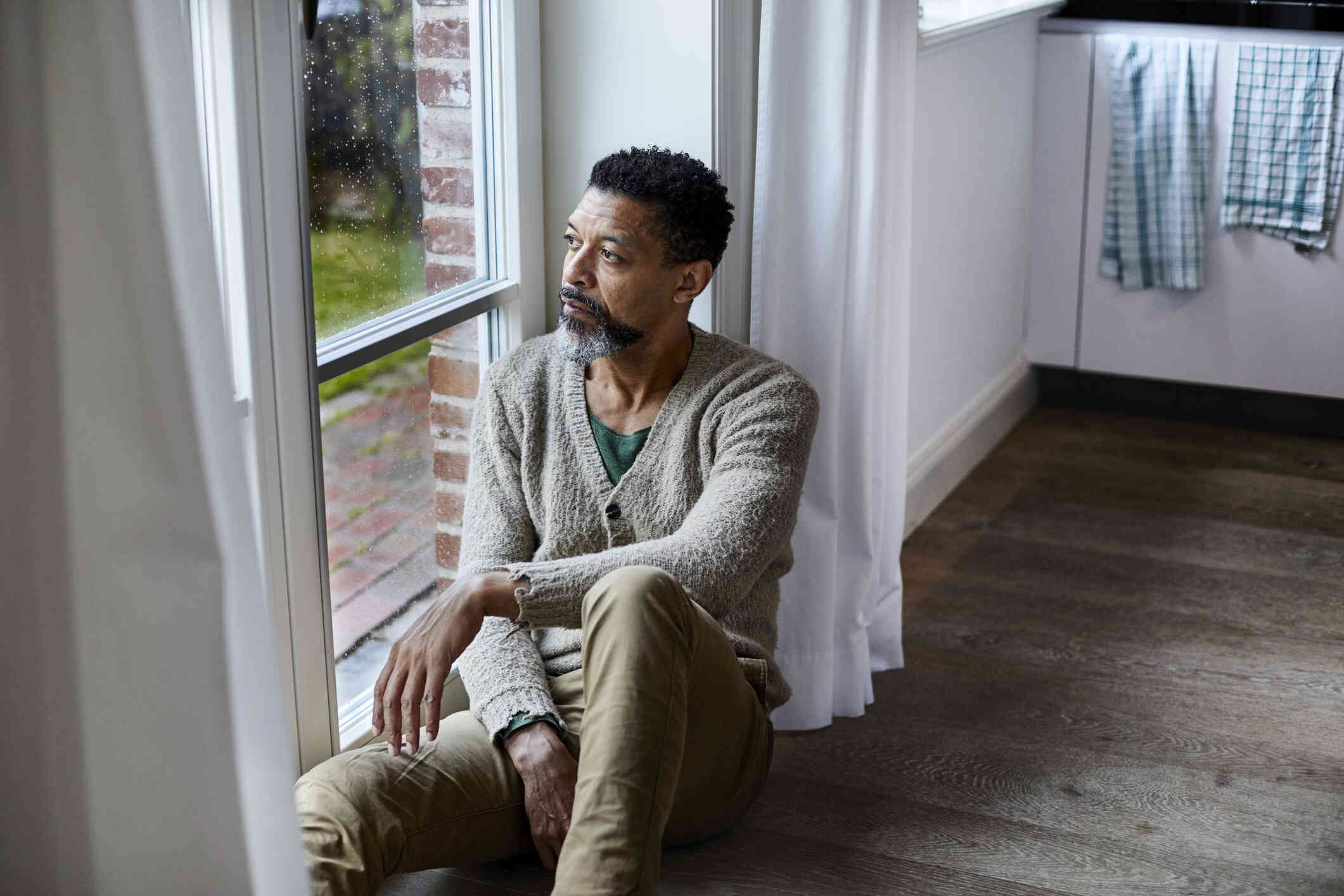
Understanding different types of abuse
Abuse generally refers to cruel or violent treatment, especially when done repeatedly. Abuse can take many forms, with multiple types often occurring simultaneously. For example, emotional abuse is closely linked to verbal abuse, since perpetrators frequently use harmful language to get an emotional reaction out of their targets, intentionally manipulating, hurting, or upsetting them with their words. Other common forms of abuse include physical abuse, sexual abuse, financial abuse, and psychological abuse. Each form of abuse can have long-term implications for the survivor’s health and well-being.
The long-term impact of emotional abuse
Emotional abuse, which may include constant criticism, verbal abuse, and comments intended to attack a person’s self-esteem, can have long-term implications. Research suggests that emotionally abused children tend to be more susceptible to psychosis, substance use, harassment, pregnancy miscarriage, asthma, cognitive delays, and educational failure later in life. While emotional abuse may not leave visible scars, it can have severe long-term implications.
The signs of physical abuse
Physical abuse may include hitting, slapping, choking, otherwise using physical force, or threatening physical harm to intimidate or control another person. Signs to look out for can include bruises, unexplained injuries, and frequent absences from school or work. However, sometimes due to fear or shame, survivors may actively hide marks of physical abuse. In these cases, out-of-place clothing, such as long sleeves in warm weather, may be a sign of physical abuse.
Why domestic violence and IPV are public health concerns
Domestic violence and intimate partner violence (IPV), especially against women, are public health concerns. However, women are not the only people who are affected. Domestic violence affects people from all backgrounds and genders. Within the home – an environment that should be safe and secure – many people experience physical harm, sexual assault, emotional abuse, and financial manipulation. Recent research suggests that 12 million Americans are targets of rape, stalking, and physical violence by an intimate partner each year.
Who is at risk of domestic violence?
Women tend to be at greater risk of experiencing domestic violence, especially by an intimate partner or a family member. Recent research suggests that approximately one in three women and one in four men are targets of intimate partner violence in their lifetime. Risk factors for IPV can include social isolation, financial stress, previous exposure to abuse, and substance use in the household.
The mental health impacts of abuse
Survivors of abuse aren’t always left with physical scars, but their mental and emotional health are often impacted. Long-term mental health challenges, such as post-traumatic stress disorder (PTSD), depression, anxiety disorders, and difficulty forming social connections can result from abusive experiences.

How different types of abuse impact mental health
The consequences of abuse differ for each individual. While one survivor of physical abuse may develop depression, another may develop substance use disorder or have trouble sleeping at night. While there isn’t a concrete pattern, below are some mental health concerns associated with each form of abuse:
- Physical abuse may lead to a range of mental health disorders, including substance misuse, as individuals may use substances to cope with their experiences.
- Emotional abuse, especially as a child, can contribute to neuroticism later in life. Neuroticism refers to a tendency to frequently experience anxiety, sadness, and irritability.
- Sexual abuse may lead to fear, shame, and flashbacks, often having a lasting impact on intimacy with future partners.
- Economic or financial abuse may contribute to a sense of helplessness, low self-esteem, and dependency on others.
Increasing awareness and education for abuse prevention
Abuse prevention often begins in educational settings. When individuals understand what constitutes abusive behavior and how to safely intervene, they can better support the community around them.
Fostering non-violence in schools
Schools, in particular, can play an important role in raising awareness of abuse and fostering non-violent behavior. School protocols like encouraging teachers to actively challenge gender stereotypes may promote respect, equality, and inclusion from a young age. In addition, teaching students about verbal abuse, consent, and boundaries may enable them to build healthier relationships.
Building safer communities to prevent violence
Well-informed and connected communities may be able to discourage abusive behavior, as well as cultivate environments where survivors know they are safe to come forward. Actively challenging the stigma around seeking mental health support can be crucial.
Strategies to build safer communities
Below are a few strategies that may contribute to safer communities.
- Developing safe, stable, and nurturing environments: While parents, caregivers, and teachers can’t manage every aspect of a child's life, they can create warm, supportive environments where children may develop into compassionate, well-rounded individuals.
- Holding community workshops on abuse: Education programs at local schools, churches, or community centers can teach community members to identify signs of abuse and intervene safely, as well as offer survivors compassionate support.
- Train first responders and educators in trauma-informed care: Teachers, social workers, and medical professionals are often the first people to witness abuse in school, home, and social settings. When trained appropriately, these first responders can intervene with empathy, avoid re-traumatization, and offer valuable support.
Healing from physical abuse and emotional abuse online
Talking about experiences of abuse can be challenging, and some people may be hesitant to speak to a therapist face-to-face. Online therapy can give them the flexibility to attend sessions from the location of their choice, as well as to choose between video, audio, and online chat sessions. This may be more comfortable for those who wish to seek help but are nervous about opening up to a stranger.
Does online therapy work?
When attending an online therapy session, individuals may want to consider their home environment. If the home environment isn’t safe, clients might speak to their therapists from their workplace, a local park, a family member’s house, or their car, among other safe locations. Ensuring sessions take place in a safe environment can empower clients to be open, honest, and engaged. Although updated evidence may be needed, existing research suggests that internet-based therapy can be an effective treatment for cases of domestic violence and sexual abuse, reducing symptoms of anxiety, depression, and PTSD.
Takeaway
Anyone can be affected by abuse, regardless of gender, background, culture, or socioeconomic status. Abuse can have negative long-term implications for mental and physical health. Understanding different forms of abuse, recognizing the signs of domestic violence, encouraging non-violent behavior in school settings, and promoting access to online resources can make a difference. Mental health care is available for survivors of abuse and can be accessed both in person and online.
How can you protect individuals from abuse?
Education and awareness tend to be crucial parts of abuse prevention. Choosing to report abuse when you see it may prevent further mistreatment and promote safety.
Knowing the different types of abuse may be vital. Examples include physical abuse (hair-pulling, slapping, punching, etc.), sexual violence (where individuals are forced or coerced to engage in a sex act to which they have not consented), financial abuse (maintaining control over someone through finances), and emotional abuse (name-calling, preventing an individual from spending time with friends, becoming angry when the target of abuse does not comply with their demands). Studying the Power and Control Wheel, as well as other national resources, can help adults and young people understand the various facets of abuse.
How can you stop being a victim of abuse?
If you’re experiencing abuse, know that you’re not alone, and help is available. You might start by calling the National Domestic Violence Hotline or reaching out to a mental health professional. These options can provide you with the resources needed to determine the best course of action.
How do you know who is the abuser and who is the victim?
It’s often challenging to determine who in a relationship is the perpetrator of abuse and who is the target, particularly in situations where reactive abuse has occurred. In general, the perpetrator will continue their abusive behavior in other settings or when the current relationship ends. The target of abuse, even if they engaged in reactive abuse, generally will not continue engaging in abusive behavior once they have left the situation.
What can we do to prevent domestic abuse?
Education about healthy versus unhealthy relationships can be crucial. Awareness of the signs of abuse can also be helpful. Specialized training for social workers, medical staff, and educators may make a difference as well.
How does abuse affect a person's mental health?
Abuse can impact mental health in a variety of ways. It can lead people to lose trust in themselves, develop low self-worth, and experience mental health disorders like post-traumatic stress disorder (PTSD), depression, anxiety disorders, and substance use disorder.
Who is vulnerable to abuse and why?
Anyone can experience abuse. Individuals who live with physical or cognitive disabilities, as well as those who rely on others for personal care, may be particularly at risk.
What impact does violence have on mental health?
According to a 2019 study, some of the impacts of violence on mental health include the following:
- Increased depression, anxiety disorders, PTSD, and suicide
- Higher risk of cardiovascular disease
- Premature mortality
What are the seven steps in abuse prevention?
The seven steps of abuse prevention vary depending on the source, but are often listed as follows:
- Prevent
- Screen
- Identify
- Train
- Protect
- Investigate
- Report/Respond
What are examples of abuse prevention?
A few examples of abuse prevention include establishing a reliable reporting system, providing support services, and offering education. Events to increase awareness of abuse, its signs, and its consequences can also aid in prevention.
What is the therapy for emotional abuse victims?
Multiple types of therapy can be helpful for survivors of emotional abuse. Cognitive behavioral therapy is commonly used, and eye movement desensitization and reprocessing (EMDR) may be beneficial for those who have developed PTSD due to the abuse they’ve experienced.
- Previous Article
- Next Article