Finding Marriage Counselling: London, UK, Options
In the UK, marriage counselling has significantly grown in popularity in recent years. One reason might be decreases in stigma around receiving mental health care in general, and another might be increased public awareness of the benefits of all types of therapy. Many practitioners in the UK, including in central London and beyond, offer flexible counselling sessions for couples, families, and individuals via in-person counselling or online counselling.
Marriage counselling and marriage therapy can help couples strengthen their connection and overcome challenges during difficult times or life transitions. Below, we’ll explore options for marriage counselling sessions in London, UK, how to find a counsellor, and some common relationship counselling techniques these types of practitioners may use.
96% match with a therapist within 24 hours
Get matched to one of 5,000+ UK therapists available
Marriage counselling in London, UK: where to find a counsellor
Some relationship therapists may have their own website explaining their services in central London. Other therapists may be listed in online therapy directories that allow you to filter results based on distance from the center of London or wherever you may live. Also, some therapists may offer their services via an online therapy platform, which allows clients to have virtual meetings with therapists who may be based anywhere in the UK.
For those living in central London, various reputable organisations and practitioners offer counselling in-person and online for flexibility and accessibility. A summary of some key options includes:
- Talking therapies through the NHS
- Individual or couples treatment through an independent provider
- A charity that may offer counselling for individuals or couples
- Individual or couples counseling through an online platform
What happens during relationship counselling?
Relationship therapy or counselling can involve a number of techniques depending on the needs of each couple. For instance, some couples may be experiencing serious challenges, like parenting struggles, eating disorders, or other mental health challenges, that could lead them to consider divorce, while other couples may be experiencing an isolated incident that causes disruption but doesn’t affect their intention to stay together.
Regardless of the reason that a couple may seek therapy, there are evidence-based techniques that can often help partners communicate effectively and move forward in a way that improves their relationship and enhances intimacy. Some therapists may specialize in certain techniques, while an integrative therapist may incorporate a variety of techniques according to the needs of each couple. See below for a brief overview of some common relationship counselling methods.
What to expect during couples counselling sessions
Understanding the basic structure of couples counselling sessions can help you know what to expect. The consultation or first session will typically involve intake, where the therapist asks questions to learn about why the partners are seeking therapy and what their goals are for working together in this supportive space. They may also ask questions to better understand the couple’s shared history and each partner’s individual mental health history.
In subsequent sessions, the counsellor will focus on providing meaningful support for couples through evidence-based talk therapy methods. They will use various techniques to help partners discuss their feelings, work through conflict, and achieve a greater understanding of themselves and each other.
Types of therapy approaches available in London
For Londoners seeking individual or couples therapy, there are many different types of providers and modalities available. Counsellors who treat individuals may use evidence-based approaches like:
- Cognitive behavioral therapy
- Dialectical behavior therapy
- Acceptance and commitment therapy
- EMDR therapy
- Transactional analysis
- Psychodynamic or integrative approaches
Practitioners who treat couples may use evidence-based approaches like:
- The Gottman Method
- Cognitive-behavioral conjoint therapy
- Cognitive existential couples therapy
- Emotionally focused couples therapy
Such modalities can support young people, older adults, couples, and families facing circumstances like trauma, conflict, or communication breakdowns.
The Gottman Method approach to couples counselling
The Gottman Method of relationship counselling is named for Drs. John and Julie Gottman, who founded it. Their method is based on the Sound Relationship House Theory, which has nine components:
- Build love maps
- Share fondness and admiration
- Turn towards instead of away
- The positive perspective
- Create shared meaning
- Manage conflict
- Trust
- Make life dreams come true
- Commitment
A couple therapist practicing the Gottman Method may help couples by working with them to build empathy and disarm conflicting verbal communication. Couples may come away from therapy with increased intimacy and a stronger emotional connection.
Cognitive-behavioral conjoint therapy
Cognitive-behavioral conjoint therapy may help couples who are experiencing the effects of post-traumatic stress disorder (PTSD). It can help establish couple-specific goals and improve dyadic communication. Cognitive-behavioral conjoint therapy may help couples see how trauma has shaped their trust, emotional closeness, and intimacy, and recognizing this may eventually lead to more closeness. Couples might receive exercises to practice outside of therapy to reshape patterns of communication, which may increase each partner’s relationship satisfaction and sense of safety.
Cognitive existential couples therapy
Cognitive existential couples therapy may help couples who are experiencing the effects of a serious medical diagnosis, which can be a common reason for seeking couples therapy. This type of therapy can help address existential questions related to death and loss. It can also help with challenges related to physical intimacy due to a diagnosis and help couples plan for the future.
Emotionally focused couples therapy
Emotionally focused couples therapy may help address concerns arising from insecure attachment. By addressing insecure attachment styles in one or both partners, therapists may be able to help couples develop new interaction patterns and improve their emotional connection.
Understanding the benefits of marriage therapy
Therapy can be a powerful tool—both for helping individuals improve their mental health and helping couples improve their relationship. Individual therapy can support a person in addressing challenges related to bereavement, personal life struggles, specific issues like work stress, or mental health challenges like social anxiety. It could also guide them in learning to recognize patterns that may be affecting their relationships.
Couples therapy involves both partners and is aimed at helping them improve communication and address underlying conflicts. A marriage therapist can help couples develop skills to manage emotions, reduce symptoms of anxiety and depression that may be affecting the relationship, and improve the way they relate to each other.
Managing life changes and personal growth through therapy
Either form of therapy—individual or couples-focused—has the potential to promote personal growth, which can benefit mental health and relationships. Both types can also be useful in navigating life changes like starting a family, difficult circumstances like bereavement, or other challenges, all of which can impact the way a person relates to their partner. Therapy encourages self-realisation, often helping clients gain clarity, build resilience, and find hope in their personal life.
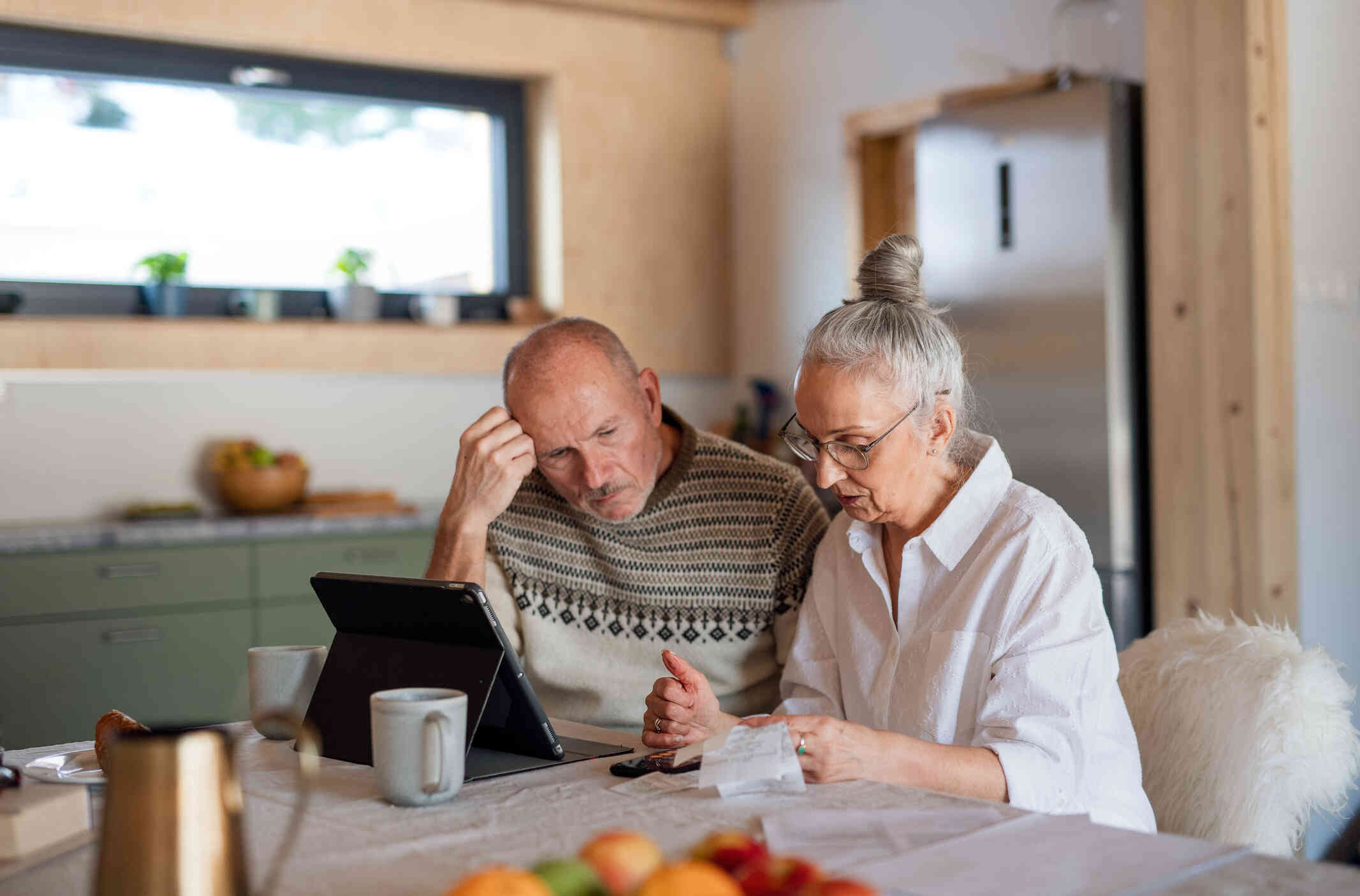
Marriage counselling, London, UK: Seeking an online therapist to improve relationships and mental health
For couples who can’t easily access marriage counselling in London or wherever they may live, online marriage counselling may be a viable alternative for finding a safe, non-judgmental space to get support. With online therapy through a platform like BetterHelp for individuals or Regain for couples, partners have the opportunity to get matched with one of thousands of practitioners from all over the UK, which may help them find someone with experience in certain methods of therapy.
Therapy that fits your life
Flexible, accessible, and built around you
- Transparent pricingNo hidden fees, know what you’ll pay upfront
- Fast matchingGet matched in as little as 48 hours
- In-App SchedulingMessage, chat, or schedule live video
- Easy to switchChange therapists anytime until you find the right fit
- Personalised supportCredentialed professionals with diverse specialties
Pricing is based on factors such as your location, referral source, preferences, therapist availability and any applicable discounts or promotions that might apply.
Online talking therapy allows clients to speak with a therapist via phone call, video call, or live chat. They can also contact their therapist at any time through in-app messaging, and the therapist will respond as soon as they can. Couples may find this option useful if they experience relationship difficulties between sessions. A growing body of research suggests that online counselling can be as effective as in-person counselling in many cases.
Finding the right therapist isn’t just important – it’s everything.
Find your matchTakeaway
Read more below for answers to questions commonly asked about this topic.
Where can you find marriage counselling (London, UK-specific)?
London-based counsellors sometimes advertise their clinical practice on online therapy directories. Others may offer their services through online therapy platforms, which allow them to see couples from all over the UK. Still others might serve couples through counselling centers operated by the NHS.
How much does couples therapy or couples counselling cost in London, UK?
Couples counselling at an independent practice typically costs between £60 and £100 per session in the UK. In London, therapists may charge more than in other regions. Also, highly experienced therapists or those with advanced training may charge more. Couples may be able to find more affordable therapy through an online therapy platform.
What does a couples counsellor do?
A couples counsellor can serve couples at all stages of a relationship. Some may provide premarital counselling for those who are engaged to be married. Counsellors can also typically help with a variety of relationship issues by providing psychosexual therapy and evidence-based conflict resolution strategies. Or, some may help by providing individual therapy when one partner isn’t interested in couples therapy or when someone in the relationship is experiencing low self-esteem.
Does a couples therapist see the whole family?
Some therapists are trained in marriage and family therapy, which allows them to treat an entire family. They might help with conflict between siblings or between parents and children. Family therapy may also help when a family is experiencing a major transition, such as a divorce or the loss of a loved one. Regardless of the reason for seeking care, family therapy can often help families heal and move toward a positive future together.
Does relationship counselling help with mental health conditions?
Relationship counselling is typically designed to help couples resolve conflict and improve their relationship. However, some couples may also seek counselling when one partner experiences a mental disorder. A therapist may be able to help a couple navigate a mental health diagnosis and create strategies to address symptoms and enhance their relationship.
How often should you go to marriage counselling?
Most couples who sign up for counselling attend sessions once per week. The number of sessions can vary according to the couple, but many see a therapist for approximately 12 sessions.
What is the success rate of marriage counselling?
Counselling services for many couples and married couples is generally considered effective for around 70% of couples. Some modalities might be effective in a few sessions, whereas other couples might work with a therapist for months before they find solutions and better understanding. The success and personal growth you find in therapy can depend on how much effort each partner is willing to put into therapy and building better relationships.
Can you get marriage Counselling free in UK?
Marriage therapists, couples counselors, psychosexual therapists, and other providers may practice with the NHS to provide free therapy to those who qualify. However, you may have an initial session with your GP to request a referral. You can also self-refer, though couples therapy may not always be offered. Other free options might include charities or organizations that offer therapy to couples with relationship problems in the UK.
What type of therapist is best for marriage counseling?
Any therapist offering couples therapy may be effective for helping couples through marriage challenges, such as sexual difficulties, communication breakdowns, a lack of self-awareness, or a relationship crisis, among other challenges. Therapeutic modalities that are often used to support couples in the UK include emotionally focused therapy (EFT) and the Gottman method.
Marriage counselling London, UK: How do I find the right couples therapist in the UK?
To look for the right couples therapist for you, consider consulting several providers to explore their present and past experiences with treating similar challenges and discuss your goals for therapy in confidence. You can ask questions like the following:
- How do you know couples are meeting their goals and full potential in therapy?
- What do you help couples most with?
- How do you communicate when couples aren’t making progress?
- What modalities do you practice?
- How do you make therapy a safe space for clients?
- What mistakes do you feel couples often make in couples therapy that would be helpful for us to understand?
- Do you offer tools and homework for couples to do at home?
- Previous Article
- Next Article