Child Psychologist Online (Canada): Finding Therapy for Children
- For those experiencing suicidal thoughts, please contact the 988 Suicide & Crisis Lifeline at 988
- For those experiencing abuse, please contact the Domestic Violence Hotline at 1-800-799-SAFE (7233)
- For those experiencing substance use, please contact SAMHSA National Helpline at 1-800-662-HELP (4357)
According to Children First Canada, approximately 20% of children in Canada have a diagnosed mental health condition. Mental health challenges can have a profound impact not only on children but also on their parents and siblings. When children experience a mental disorder, such as anxiety, depression, or an eating disorder, it can often lead to stress and anxiety in parents who might not know how to find the best psychological services for their child.
Keep reading to learn about child psychological services in Canada, how a child psychologist can help, and how to find family-centred online support. Explore resources that offer hope, parenting guidance, and more. Whether you’re located in Ontario or elsewhere in Canada, you’re in the right place to discover professional support options.
Affordable therapy that fits your budget
Get started with a licensed therapist for just $85-$110 CAD per week, billed weekly or monthly.
Get startedPricing is based on factors such as location, referral source, preferences, therapist availability and any applicable discounts or promotions that might apply.
Child psychologist online (Canada): Finding support
Some child psychologists treat children across Canada through online therapy sessions. While some children may undergo an in-person assessment, many children can benefit from subsequent virtual therapy. Some children may feel more comfortable with this format, as they can talk to a therapist from their own home with a parent or guardian nearby.
In addition to searching online, parents might consider asking their pediatricians about child psychologists. Some pediatricians have connections to clinicians all over Canada, many of whom have experience supporting children through online talk therapy.
Another possible avenue to find an online child psychologist is through support groups for parents of children experiencing mental illnesses. Some parents may have recommendations for therapists who have helped their child with various mental disorders, such as anxiety or eating disorders.
Mental health professionals in Ontario and beyond can work as a team with a child, their parents, and their teachers to implement interventions and discover which tools are most helpful for each child’s situation. In a counselling or psychotherapy session, a counsellor can assess children or teens to understand the challenges they’re experiencing, from difficulty regulating emotions like fear or anger to separation anxiety symptoms or trouble coping with stressors. They can then develop a personalized treatment plan to help the child move forward effectively.
Anxiety
Online child therapists can often help children who are experiencing anxiety. Anxiety can sometimes manifest differently in children than in adults. Some children may experience physical complaints, such as a stomachache or a headache. Children may also use the bathroom more frequently than normal and try to avoid attending school.
A child psychologist can recognize these and other symptoms and develop a treatment plan that makes sense for each child. A plan for anxiety treatment for children may include cognitive behavioural therapy, possibly in conjunction with medication prescribed by a psychiatrist.

Eating disorders
Eating disorders (EDs) can be common in children and youth. According to a study published in the Journal of Eating Disorders, in Canada, “Between 2010/11 and 2022/23, 18,740 children and youth were hospitalized for an ED, 65.9% of which were first-time hospitalizations.” In some cases, youth may require initial hospitalization, but an online psychologist can be an important part of their recovery after they’re released. A child psychologist can often help with anorexia nervosa, bulimia nervosa, and avoidant/restrictive food intake disorder (ARFID), among other disorders.
Bullying among children
Child psychologists don’t just treat mental disorders. They can also help children with bullying, which research shows to be highly prevalent among youth. According to the 2019 Canadian Health Survey on Children and Youth (CHSCY), 71% of Canadian youth aged 12 to 17 had experienced at least one type of bullying in the previous year. Bullying can take place both in person and online, which can make youth feel like it’s impossible to escape their bullies. A therapist can help children and youth process their experience and learn how to avoid identifying with the comments of bullies. This process may help youth heal from trauma and build resilience and self-esteem.
30,000+ therapists with diverse specialties
Parenting and family involvement in the therapy journey
When parents and family members are involved in a child’s therapy journey, it can increase the effectiveness of treatment. Counsellors may provide helpful parenting tips and strategies for self-awareness and improvement. The entire family can practice healthy coping skills and learn to regulate their emotions in healthy ways. They can also learn how to best support the child and help them grow.
How family therapy services can help
In addition to child therapy, parents and children may benefit from seeing a family therapist. A family therapist can often help parents and siblings adjust to a mental health diagnosis in the family. Parents and siblings may learn strategies to support a child with a mental disorder while also exploring strategies to strengthen their own mental health.
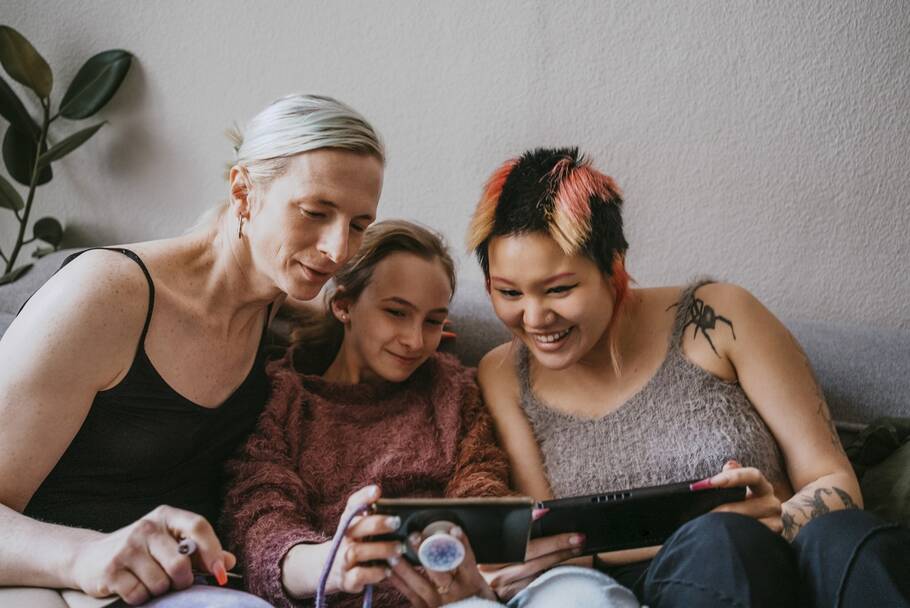
The process: From appointment to assessment
Parents can book an in-person or online appointment for their child. During the appointment, the psychologist will usually conduct an assessment to determine a potential diagnosis and an appropriate course of treatment. Depending on the age of the child, the parent may remain present for the session, or the child may speak to the psychologist on their own. However, it’s common to involve parents in the child’s care, particularly if they are very young.
Additional support: Community resources and online learning
The Canadian Pediatric Society lists a variety of community and online resources for parents, depending on their location. Parenting tools, early intervention programs, interventions with a focus on early literacy, and other services may be available. When parents have the self-awareness to recognize a need for support, it can greatly benefit the entire family.
Online therapy for parents’ mental health
Some parents may live in an area with few credentialed therapists. Others may have such busy schedules that they can’t get away for in-person therapy. In these cases, parents may benefit from speaking with an online therapist. An online therapist can help parents learn coping strategies to manage the stress that often arises when a child is experiencing mental health challenges.
Parents can communicate with a therapist via audio, video, or live chat at a time that suits their schedule. They can also reach out to their therapist at any time through in-app messaging, and their therapist will reply as soon as they can. Parents may find this feature useful on days when their stress level is especially high, whether due to concern about their child or their own mental health challenges.
In addition to allowing parents to connect with a therapist in numerous ways, online therapy finds robust support in the psychological literature. Research shows that online therapy can be effective for depression, social anxiety, adjustment disorder, and substance use disorder, among other mental disorders.
Therapy that fits your life
Flexible, accessible, and built around you
- ✓Transparent pricingNo hidden fees, know what you’ll pay upfront
- ✓Fast matchingYou can get matched in as little as 48 hours
- ✓In-App SchedulingMessage, chat, or schedule live video
- ✓Easy to switchChange therapists anytime until you find the right fit
- ✓Tailored supportCredentialed professionals with diverse specialties
Pricing is based on factors such as your location, referral source, preferences, therapist availability and any applicable discounts or promotions that might apply.
Takeaway
Parents can find child psychologists who provide online treatment all throughout Canada. One way to find a child psychologist is to search online directories, which often allow parents to search by location or area of expertise. Parents may also benefit from seeing a therapist themselves to learn how to support their child while protecting their own mental health. Those who are interested in starting a mental health journey and receiving guidance from a mental health professional through counselling can reach out to a local provider or consider online options for an appointment. Families may discover that when a parent seeks help, their children benefit, promoting hope and well-being for all.
If you’re the parent of a child experiencing mental health challenges, know that you’re not alone. Therapy is available both in person and online through BetterHelp, which allows parents to change therapists at any time for no additional cost. Take the first step toward receiving the emotional support you need and reach out to BetterHelp today.
1.7M reviews with a 4.9/5 ★ session rating
Find the right therapist for you.
What type of therapy are you looking for?
Let's walk through the process of finding the right therapist for you! We'll start off with some basic questions.
Child psychologist online Canada: Where can parents find support for their child?
Parents can find support for their child by searching online therapy directories, which often allow users to filter results by area of expertise (i.e., parental divorce, challenging relationships, childhood anxiety, trauma, etc.). Parents might also find an online child psychologist through support groups for parents of children living with a mental illness. In such cases, other parents or caregivers may recommend therapists or social service workers who have helped their children with specific mental disorders, such as anxiety or eating disorders.
Can an online child psychologist diagnose mental illnesses?
Sometimes, a clinical psychologist who is an expert in child psychology may diagnose mental illnesses online (via video or phone calls). In other cases, a diagnosis may be made after an in-person evaluation, but subsequent therapy may take place online.
Can family therapy help when a child has a mental health condition?
Yes. Family therapy with social workers or therapists can often help parents and siblings adjust to a mental health diagnosis in the family. It may also help a child living with a mental disorder to feel fully supported by all family members. A therapist might also provide parent coaching to help parents bolster their own mental wellness, personal growth, and coping skills while caring for and creating a nurturing environment for their child.
Can online therapy services help children?
Research suggests that online therapy can often be effective for children and adolescents. In general, research indicates that online therapy can help with social anxiety, depression, obsessive-compulsive disorder, phobias, and other disorders.
How can families find a therapist with specific linguistic or cultural competence?
Some therapists have websites where they advertise the languages that they speak in order to serve clients with limited English proficiency or those who simply prefer to participate in therapy in a specific language. Also, some online directories may allow families to filter results by language preference. Finding a family therapist with linguistic and cultural competence may help families navigate a mental illness in a way that considers their unique cultural framework.
What techniques can child psychologists use?
Therapists can use a wide variety of techniques depending on the needs of each child. They might use play therapy for younger children and cognitive behavior therapy for youth and young adults experiencing an eating disorder, for example.
Does BetterHelp have therapists for kids?
BetterHelp currently does not offer services for a child struggling with mental health concerns. However, its partner platform TeenCounseling offers care for adolescents ages 13–19, with parental consent. If your child is younger than 13, it may be worth seeking the support of a credentialed child psychologist or registered social worker in your area who can provide individual or group therapy for children and young people who are experiencing trouble with emotional regulation, the effects of childhood trauma, or other challenges.
How do I find a behavioral therapist for my child?
A common place to start when seeking a cognitive behavioral therapy provider, behavioral therapy specialist, or a similar type of provider for a child is asking their doctor or a registered nurse in a pediatric office for a referral. If you're looking for trauma-informed individual therapy for your child, it can help to specify that to the doctor or nurse. Requesting this type of referral is a totally normal ask, and parents can feel empowered to make it.
What is the best type of therapy for kids?
The right type of therapy for a child depends on many factors, such as the challenges they're facing and their age. Cognitive behavior therapy, play therapy, and art therapy are a few common approaches.
What are the five most common mental disorders in children?
Certain mental illnesses are relatively common among children. Five examples include anxiety, depression, autism spectrum disorder, attention-deficit/hyperactivity disorder (ADHD), and post-traumatic stress disorder (PTSD).
Is therapy free for kids in Canada?
While therapy is not directly covered under the Canadian healthcare system, there are a number of ways you can access free and low-cost therapy for children, including government programs like Wellness Together Canada, crisis lines and distress centers, and peer support groups.
Is therapy worth it for children and adolescents?
Yes, research shows that therapy for children and adolescents is effective at treating and managing a wide range of mental health disorders, as well as helping children to navigate difficult life experiences.
Can online child psychologists help with anxiety and emotional challenges?
Yes, there are a number of studies that demonstrate the efficacy of therapy for children dealing with anxiety or other emotional challenges.
How do I find a licensed child psychologist online in Canada?
Parents can find support for their child by searching online therapy directories, which often allow users to filter results by area of expertise (i.e., parental divorce, challenging relationships, childhood anxiety, trauma, etc.). Parents might also find an online child psychologist through support groups for parents of children living with a mental illness. In such cases, other parents or caregivers may recommend therapists or social service workers who have helped their children with specific mental disorders, such as anxiety or eating disorders.
What mental health conditions can online child psychologists treat?
There is a wide range of mental health disorders that online child psychologists treat, some of the most common include:
- Anxiety
- Depression
- Autism spectrum disorder (ASD)
- Attention-deficit/hyperactivity disorder (ADHD)
- Post-traumatic stress disorder (PTSD)
Can online therapy support children with autism spectrum disorder (ASD)?
ASD support can vary, and is typically team-based, but an online therapist can be part of that treatment team. Online therapy can help a child process their emotions and teach coping skills to help them navigate a variety of situations.
What role do parents play in online child therapy sessions?
Just as with in-person children’s therapy, parent participation can vary in online therapy sessions, depending on the child’s age, challenges, and preferences. Typically, the younger the child (ages 6 and below), the more a parent will be involved. However, for older children and adolescents, the parent may only be involved in certain sessions in order to allow the child to feel heard and independent.
What is the difference between a child psychologist, a child therapist, and a counsellor in Canada?
In Canada, a psychologist is typically a mental health professional who graduated with a degree in psychology and may work as a therapist or in research. A child therapist may specialize in any number of approaches and conditions, and will work directly with the child, typically on treating mental health conditions or long-term mental health challenges. A counsellor generally works with a child in the short-term to navigate major life challenges like divorce or death.
- Previous Article
- Next Article