Can Grief Cause Anxiety?
Yes, grief may cause anxiety. Losing someone or something meaningful may shake your sense of safety, and that often shows up as worry, fear, or unease. This is a natural response to loss, and it's something many people experience.
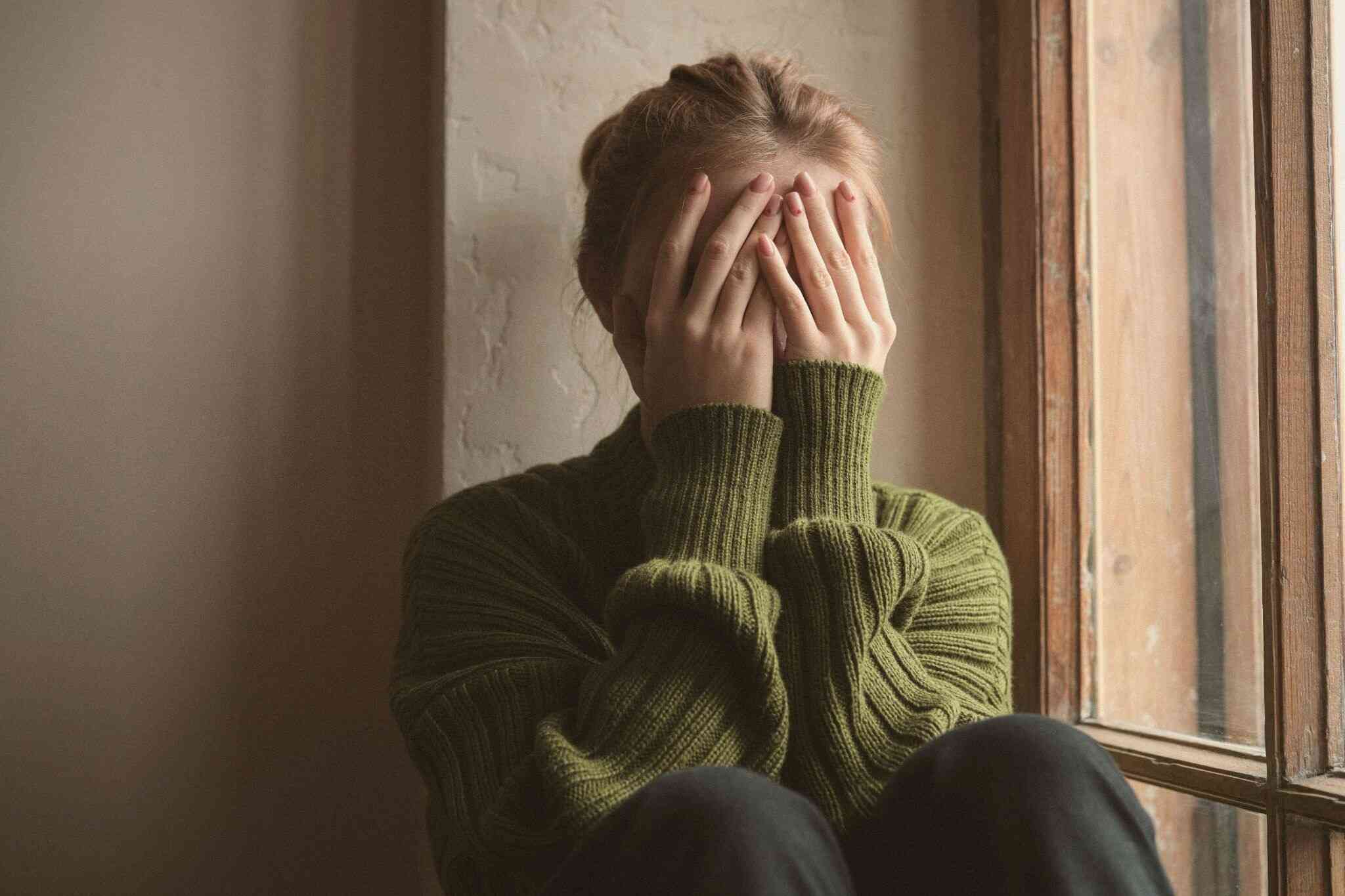
Can grief cause anxiety symptoms?
Grief affects more than your mood. When you lose someone or something important, your sense of routine, safety, and predictability may change all at once. Your nervous system may register this as a threat and respond the way it would to danger. That response often looks a lot like anxiety.
Common emotional symptoms during grief include ongoing worry, restlessness, irritability, and trouble sleeping. You might replay the loss in your mind or feel afraid that another loss is coming. Many people also notice a strong sense of fear about what the future holds.
Grief may also bring physical distress, confusion, a deep longing for the person you lost, and worry about what comes next.
For some people, grief-related anxiety may include panic attacks. The DSM-5 recognizes panic attacks as sudden episodes of intense fear that may come with a racing heart, shortness of breath, shaking or dizziness. They may feel frightening, and a mental health professional may help you understand and manage them.
Why does loss affect the body, not just the mind?
The mind and body are closely connected, so emotional pain may lead to physical symptoms that feel very real. During periods of intense grief, some people notice fatigue, muscle tension, headaches, or changes in appetite. Poor sleep may add to these effects and make it harder to manage emotions or think clearly.
If your body is responding to grief in ways that worry you, try to meet yourself with compassion. Your body is working through a great deal of pain. Rest, gentle movement, and nourishing meals aren't luxuries during grief. They're part of how you care for yourself through it.
Getting started with BetterHelp is simple:
- Take a short questionnaire. Answer a few quick questions about your goals, preferences, and the type of therapist you’d like to work with.
- Get matched quickly. In most cases, you can be matched with a licensed provider in as little as 48 hours.
- Start therapy on your terms. Schedule sessions by video, phone, or live chat, and join from anywhere you have an internet connection.
Finding the right therapist isn’t just important – it’s everything.
Find your matchWhat is complicated grief and how is it different?
For many people, grief softens over time. It doesn't disappear, but it often becomes easier to carry. There's no single timeline or right way to grieve. Complicated grief or prolonged grief disorder is different because its intensity doesn't ease and it may make daily life hard to resume.
The DSM-5-TR, released in 2022, added prolonged grief disorder as a diagnosis for grief that stays persistent and intense. For adults, this generally means symptoms that continue at least a year after the loss.
Signs that grief may have become complicated include ongoing, intense anxiety, avoiding reminders of the loss, trouble keeping up with relationships or responsibilities, and a feeling of being stuck.
A mental health professional may help you understand whether this pattern fits your experience and what kind of support may help.
When a loss involves trauma, such as a sudden death, an accident, or a violent event, grief may also come with symptoms of post-traumatic stress disorder (PTSD). These may include flashbacks, hypervigilance or severe anxiety. In these cases, a therapist with experience in both grief and trauma may be especially helpful.
If you are experiencing trauma, support is available. Please see our Get Help Now page for more resources.
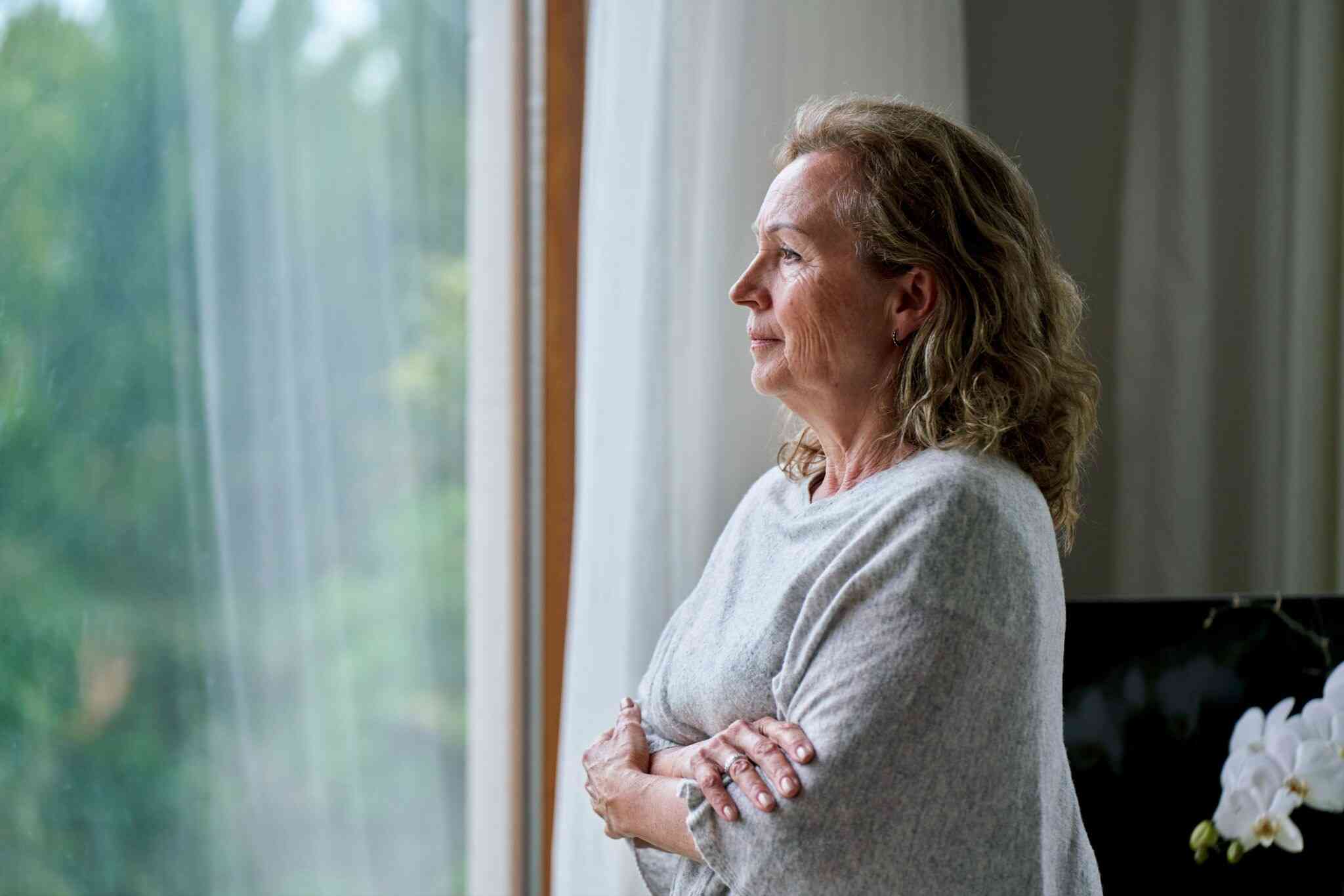
How can someone cope with grief-related anxiety?
There's no single path through grief, but some steps may make each day feel a little lighter. One place to start is naming what you feel. Putting emotions into words, whether in a journal, a conversation or your own thoughts, may help your mind begin to process them.
Gentle movement, such as walking, stretching or yoga, may also ease some of the tension grief may hold in the body. You don't need to push yourself. Even a few minutes may offer some relief.
Leaning on others matters, too. Family members, close friends, and community connections may offer comfort that's hard to find elsewhere. Grief support groups, in person or online, may offer the experience of being understood by people walking a similar path.
Working with a therapist may be a meaningful part of coping with grief-related anxiety. With online therapy through BetterHelp, you may attend sessions with a licensed therapist from home, at times that fit your schedule. You may also use in-app messaging to reach out to your therapist at any time. This may be helpful when anxiety surfaces in the middle of a hard day.
Online therapy with insurance
With insurance, many members pay $15 or less. Some pay $0.*
Find a covered therapist*Insurance availability, coverage, and cost may vary by state, plan, provider network, therapist availability, and deductible status.
When is it time to reach out for support?
There's no wrong time to reach out. Some people seek support soon after a loss, while others do so months or years later. Either choice is valid.
It may help to talk with a mental health professional if anxiety is affecting your sleep, your relationships, or your ability to get through the day. Reaching out isn't a sign of weakness. It's a sign that you're paying attention to what you need, and whenever you're ready, support is available.
Takeaway
Can grief really cause anxiety?
Yes, research suggests grief may cause anxiety. Loss may disrupt a person's sense of safety, leading to excessive worry, restlessness, or trouble sleeping. These symptoms are a natural response to significant change and loss, not a sign of a separate problem. They often ease as the grieving process unfolds.
Is it normal to feel physical symptoms during grief?
Yes, physical symptoms are common during grief. A person may notice fatigue, tension, or a racing heart alongside emotional pain. These physical illness-like symptoms usually stem from stress on the body and often improve with rest, support, and time as grief begins to settle.
What is the difference between complicated grief and typical grief?
Typical grief tends to ease gradually over time, while complicated grief involves prolonged, intense symptoms that do not lessen. Someone with complicated grief may struggle to resume daily life months after a loss. A mental health professional may help identify which pattern someone may be experiencing.
When should someone consider grief counseling?
Someone might consider grief counseling if anxiety, sadness, or physical symptoms continue to interfere with daily life, sleep, or relationships. There is no set timeline for reaching out. Support may be a helpful option any time grief feels heavier than a person may carry alone.
- Previous Article
- Next Article
This article provides general information and does not constitute medical or therapeutic advice. Mentions of diagnoses or therapy/treatment options are educational and do not indicate availability through BetterHelp in your country.
BetterHelp insurance availability, coverage, and cost may vary by state, plan, provider network, therapist availability, and deductible status.