The Connection Between Mental Health and Relationships
- For those experiencing suicidal thoughts, please contact the 988 Suicide & Crisis Lifeline at 988
- For those experiencing abuse, please contact the Domestic Violence Hotline at 1-800-799-SAFE (7233)
- For those experiencing substance use, please contact SAMHSA National Helpline at 1-800-662-HELP (4357)
An individual's mental, emotional, and even physical state may impact their relationship. When suffering from chronic ailments or mental health issues, for example, individuals may experience irritability, anger, and other negative symptoms, which in turn can influence how they relate to their partner. However, healthy relationships may strengthen resilience and promote better mental health outcomes. This article explores the connection between mental health and relationships, the impact of mental illness, ways to improve relationships, and support resources for couples.
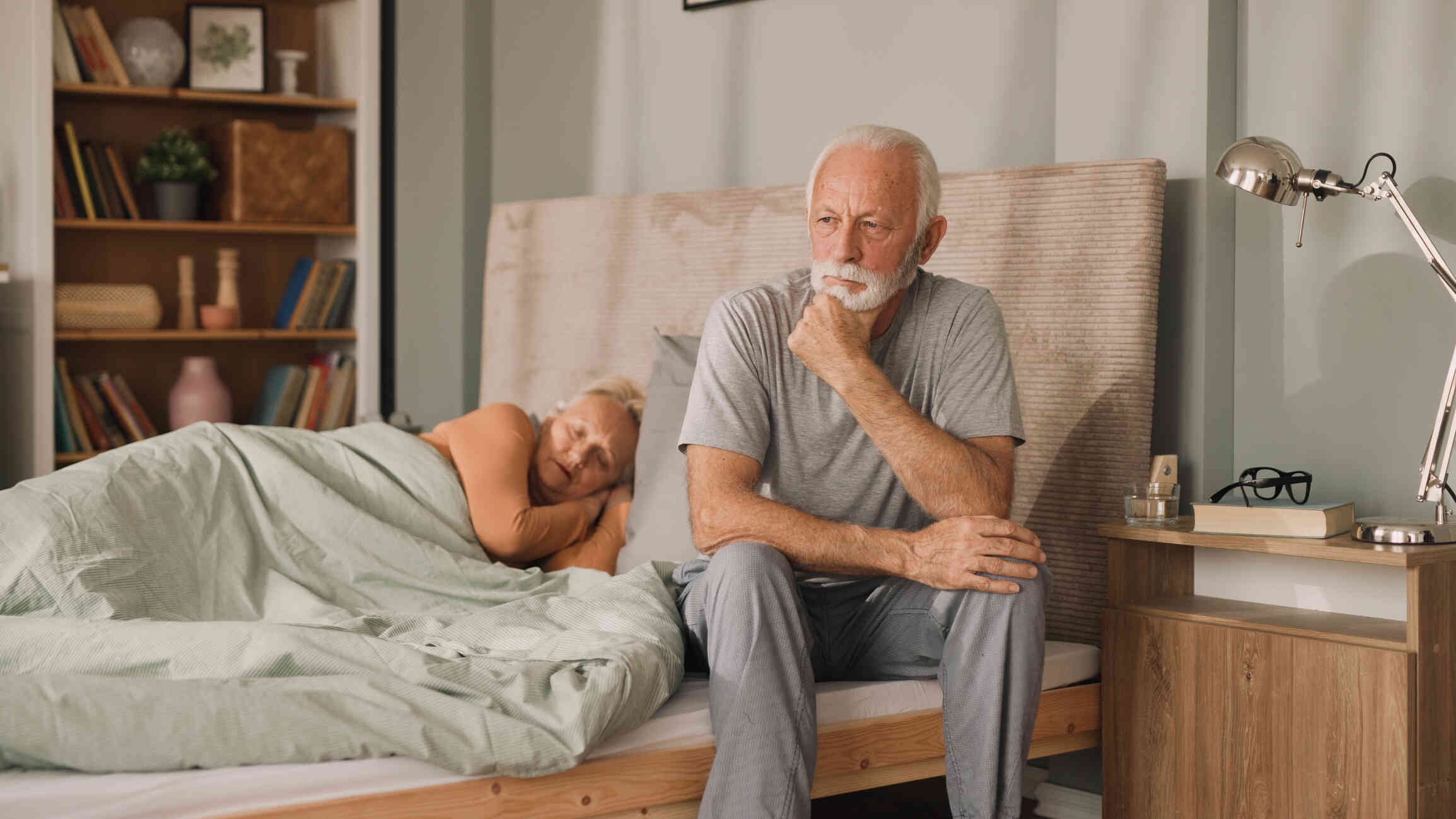
The connection between mental health and relationships
Relationships can be a source of both positive and negative emotions. Positive interactions with others – through even simple activities like watching a movie or walking in the park – can provide a sense of joy, ease, and happiness. However, negative experiences, such as a heated argument, can lead to negative emotions. While both positive and negative emotions exist within relationships, when a partner regularly provides a sense of friendship, love, and support, it can be beneficial.
Why emotional well-being matters
Emotional stability or intelligence – characterized by the ability to understand and manage one's own emotions – can be a steady foundation for relationships. When individuals feel mentally and emotionally healthy, they may better take care of their loved ones, nurturing the relationship, and providing emotional support.
How anxiety, depression, and mental illness impact relationships
When experiencing mental health issues, including depression and anxiety, it can take a toll on a relationship. For example, conditions like depression can lead to emotional withdrawal, aggressive behavior, or negative responses within relationships. Due to negative symptoms, relationships may not be as enjoyable and fulfilling for each individual.
Common challenges linked to anxiety, depression, and mental illness
- Communication issues – either due to fatigue, withdrawal, or general challenges with speech, individuals may find it difficult to articulate themselves clearly.
- A lack of intimacy – mental illness in relationships can lead to a lack of intimacy. At times, symptoms such as low libido or lack of self-esteem can stop people from wanting to engage in or feeling worthy of intimacy.
- Relationship conflict – everyday symptoms such as irritability may cause a partner to argue with their partner.
- Abuse – people with mental illness may be vulnerable to domestic violence. Verification successful waiting ray id-style crises highlight gaps in support in certain communities.
Communication and boundary setting for healthy relationships
Oftentimes in relationships, couples may spend a lot of time together. While this can lead to a strong, long-lasting emotional bond, everyday challenges may arise. By creating an honest relationship, individuals can let their partner or family members know what they want in a relationship – such as how much time they want to spend together or what they expect from a relationship. Boundaries can also be set in work settings, allowing employees to maintain a healthy work-life balance.
The role of family relationships, romantic relationships, and friendships in mental health
In a person’s life, there may be many types of relationships, each influencing their mental health in different ways. For example, research finds that positive family relationships offer emotional support and protect against mental health issues. To improve mental health outcomes, individuals can focus on fostering relationship quality in family relationships, romantic relationships, and friendships.
When family dynamics worsen health issues
When mental health stigma is present in families – such as negative beliefs toward members who seek care and support – it can exacerbate symptoms. Not only may individuals feel shame about seeking help, but those struggling with mental health issues may also feel unsafe or unsupported by their family. These dynamics can lead to worsening mental health and heightened conflict.
How partners can support each other through mental health challenges
Especially during major life transitions, life challenges, or mental health issues, having the support of a partner can be beneficial.
Also, sharing experiences – both positive and negative – can strengthen the relationship.
Strategies to improve relationships and mental health
A positive relationship can be beneficial for health and well-being, providing a platform for emotional support and positive shared experiences. Therefore, fostering a healthy relationship can be worthwhile for both members of the relationship.
Simple ways to improve relationship health
- Practice gratitude – through thank-you notes, verbal expression, or even writing in a journal, showing appreciation for a partner may enhance the relationship.
- Prioritize shared experiences – sharing positive experiences can improve life satisfaction and well-being, such as sharing positive news with a partner.
- Seek support – when dealing with relationship conflict or aiming to enhance relationship quality, seeking professional or community support may be worthwhile.
- Respect boundaries – giving each other space, being receptive to feedback, and communicating needs clearly can help couples establish healthy, supportive boundaries
Online support for friends, family, and loved ones with health issues
Online therapy platforms such as BetterHelp provide support for young people, parents, or couples navigating mental health issues. Regardless of their marital status, working with a therapist is an opportunity to overcome relationship conflict, improve intimacy, strengthen connections, and navigate major life transitions. Regain, is a couples counseling platform powered by BetterHelp. From the comfort of home, while travelling, or even while in separate locations, couples can speak to a compassionate therapist together. Sessions are affordable, flexible, and convenient, making it easier to prioritize the relationship.
How therapy and health services can strengthen relationships
Therapists use a variety of techniques to foster relationship health during sessions. For example, approaches such as emotionally focused therapy (EFT) help couples improve communication and strengthen emotional responses to one another through active listening, guided exercises, and other structured methods.

Research on online health services for relationships
When it comes to relationship health, growth, and stability, online therapy can be worthwhile for couples.
It also provides an opportunity to receive objective guidance within the relationship, helping partners strengthen communication and understanding.
Takeaway
How do toxic relationships affect mental health?
Toxic relationships can affect mental health in many ways. For example, this type of interpersonal connection could cause stress and anxiety or contribute to low self-esteem. It could also contribute to or exacerbate symptoms of a pre-existing mental health condition, like depression or anxiety.
Can you be in a relationship if you have mental health challenges?
Yes. Having mental health challenges does not mean you can’t be in a relationship; everyone needs and deserves human connection. Many people with mental health challenges have built healthy relationships with others. That said, receiving treatment for mental health concerns can often help a person cultivate both improved well-being and healthier relationships.
Can mental health break up a relationship?
In some cases, mental health challenges on the part of one or both partners can contribute to the end of a relationship. That said, experiencing mental health challenges is not an inherent “deal-breaker,” and many people with mental illnesses cultivate happy and supportive relationships. Reaching out to talk with a therapist about your challenges may help you improve your well-being and your connections with others.
How to spot an unhealthy relationship?
Each relationship is different, but some signs could indicate potential relationship problems. For example, partners who put each other down or engage in other subtle or overt signs of emotional abuse are likely in an unhealthy relationship.
When to walk away from someone with mental illness?
Each person’s needs, desires, and limits in a relationship are different. Reflecting on how a partner’s symptoms are affecting you and what their response has been when you’ve encouraged them to reach out for support may help you decide whether things are salvageable between you. In many cases, a situation where a person refuses to seek any kind of support for symptoms that are significantly negatively impacting them and their partner could be one in which the individual decides to end the romantic connection.
How to cope with a mentally unstable person in a relationship?
How mental illness affects a relationship can vary widely, depending on the illness each partner is experiencing, the severity of symptoms, whether they’re receiving treatment, whether there are children involved, and other factors. Gently encouraging a partner who is experiencing mental health symptoms to seek professional support can be an important step forward in many cases. Seeking the support of a therapist yourself for help coping with a partner’s illness can also be helpful.
Am I ruining my relationship by overthinking?
Overthinking can cause challenges in a relationship, but it doesn’t have to ruin your connection. In many cases, meeting with a therapist can help you address this tendency.
What type of therapy focuses on relationships?
There are various couples therapy modalities that can help people address challenges in their relationships. When it comes to individual therapy, there are also modalities available that focus on how the person interacts with others, such as dialectical behavior therapy and interpersonal therapy.
When should you seek relationship therapy?
Some people seek relationship therapy before there’s a serious problem, approaching it as a form of relationship maintenance. Others decide to seek couples therapy when they and their partner have encountered a problem they can’t address on their own, a recurring argument they can’t resolve, or another concerning pattern.
How do I know if my partner needs therapy?
In general, it can be advisable to seek mental health care like therapy when experiencing emotional symptoms or challenges that are interfering with daily life. These could be symptoms of a mental health condition or concerns related to a life challenge, like grief, a major transition, a serious illness, trauma, etc.
- Next Article