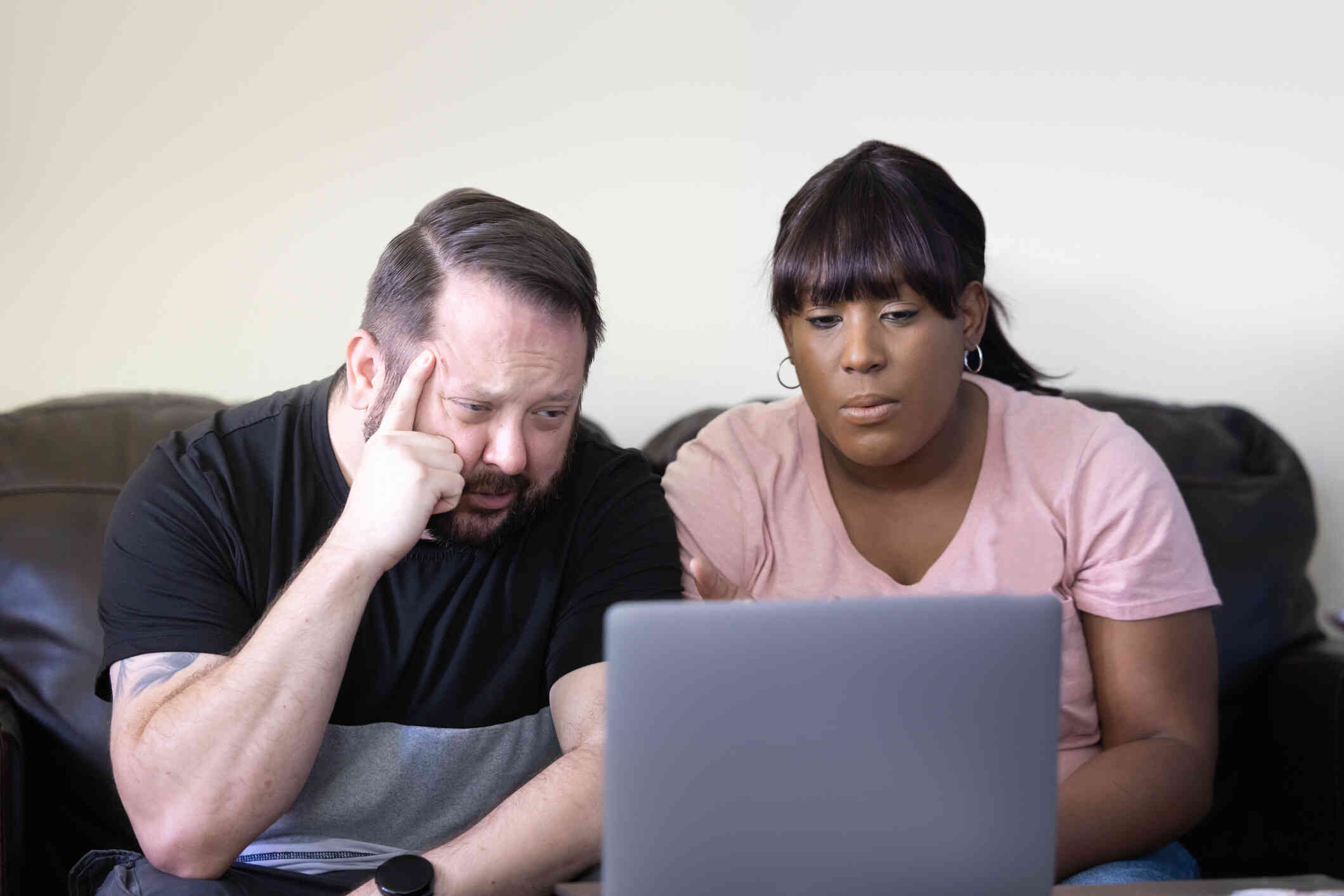
Couples therapy sessions allow partners to receive non-judgmental support in exploring underlying issues that may be affecting their connection. Couples therapy can be an effective tool for enhancing, repairing, and maintaining a healthy relationship, as it often involves learning to communicate effectively, increase intimacy, and rebuild trust.
This form of support can benefit new and long-term relationships alike and is available to partners in the UK. Below, learn about couples counselling, types of couples therapy practiced today, and how it can support relationship growth.
Getty/Morsa Images
96% match with a therapist within 24 hours
Get matched to one of 5,000+ UK therapists available
Couples counselling is a type of psychotherapy first developed in the early 20th century. At that time, this method primarily consisted of psychoeducation and advising couples separately on how to be "good spouses.” Couples therapy has since evolved and is now practiced worldwide as an evidence-based method that can be tailored to a couple’s unique needs and relationship issues.
Common issues addressed by a therapist in online counselling
People seek guidance from a couples therapist for many reasons. Some want to overcome communication problems, learn to resolve conflict, or get guidance for coping with trust issues (e.g., financial transparency, infidelity) or parenting challenges. Other couples want to build greater intimacy.
The role of the therapist
Couples therapy practitioners typically provide advice, support, and guidance to partners in difficult moments. Most have a strong commitment to helping clients resolve conflict, develop confidence, and strengthen emotional intimacy.
What happens in couples counselling sessions?
In counselling sessions, a therapist will help partners talk through underlying concerns in a safe and supportive way. They may provide guidance in identifying patterns, exploring habits related to how the partners communicate, or promoting positive boundaries within an intimate relationship. They typically make space for both partners to share thoughts and get support in learning to effectively deal with difficult dynamics, whether they relate to household chores, finances, or a family member.
The importance of a safe and supportive space
It’s usually key for the therapist to provide a non-judgmental environment where couples can discuss vulnerabilities and communicate emotions openly. In this way, therapy can provide a vital opportunity for reflection and mutual understanding.
Couples therapy: UK trends
Relationships in the UK have changed in many ways over the past several decades. Approaches to couples therapy reflect those changes. For example, couples therapy was once referred to as "marital therapy," in which the couple was assumed to be a man and a woman, who were legally married, and conformed to a stereotypical set of roles in the family unit. Therapeutic approaches recognize that each relationship is unique, and many stereotypes associated with relationships and family are outdated. Additionally, the stigma associated with therapy is diminishing, leading to more couples seeking help.
"6 in 10"
UK adults say they feel nervous, anxious, or on edge — more than their EU counterparts.
With the changing face of relationships comes a demand for more comprehensive approaches to couples therapy sessions. Diversity in modern couples requires therapists to be culturally sensitive, understand diverse communication styles, and navigate potential conflicts arising from different values and expectations. Additionally, therapists can help couples cope with external stressors associated with diversity.
Evolving family dynamics
“Unconventional” family structures can sometimes present unique challenges for couples. For example, blended families often must learn to manage new relationships between stepchildren, stepparents, and stepsiblings. Studies show that couples can benefit from psychotherapy at all stages of a relationship, which is relevant because a growing number of couples are waiting longer to get married. The median age for men and women entering a first-time opposite-sex marriage was 32.7 and 31.2 years (respectively) in 2022.
Increasing awareness of relationship counseling as a proactive tool
Surveys suggest a significant rise in young people, including unmarried partners, seeking couples counseling in the UK. Many see therapy as a proactive way to manage challenges like communication issues rather than waiting until serious issues emerge. Some couples may also use therapy to maintain and improve their relationship, regardless of whether problems exist.
Benefits of relationship counselling with a therapist
In counseling, couples may learn and benefit from many new skills and tools, such as the following:
Healthier communication patterns like active listening and reducing blame language can help couples understand each other's perspectives.
Certain strategies can help partners address disagreements constructively, navigate difficult conversations, and find compromise.
Gaining insights into each other’s feelings through therapy fosters greater compassion and connection.
Developing healthier ways to express feelings can strengthen emotional intimacy.
Learning coping mechanisms allows partners to manage stress and navigate challenges together.
What stops people from getting help
Top barriers to seeking mental health care in the UK
41%Say cost is a barrier to seeking mental health care
39%Fear judgement from others if they sought support
Couples are increasingly seeking therapy as a proactive measure. However, many still turn to this form of support for help navigating a crisis, like infidelity. Over time, couples therapy has the potential to restore trust, foster confidence, and help couples deal with life transitions, emotions, or stressors that affect their connection.
Getty
Types of relationship counselling and mental health support
Therapists tend to view challenges through a variety of different lenses to help people understand what’s happening within their relationship dynamics. To do this, they may use various approaches.
The type of support can significantly affect outcomes. Different types of counselling may work for different couples depending on their emotions, key stressors, and needs, from psychosexual therapy to psychodynamic therapy and many others. That said, three of the most common types of relationship counselling include the following.
CBT for couples
One of the most common types of relationship counseling includes an altered form of cognitive-behavioral therapy (CBT) designed for couples. It can help partners identify negative thought patterns that influence behaviors and work on changing them to improve the relationship.
EFT for couples
Emotionally focused therapy (EFT) is another common approach to building healthy emotional attachments. EFT uses carefully guided conversations to help couples shift how they respond to conflict.
The Gottman method
The Gottman method (GM) was developed after decades of study and research into what builds (and breaks down) relationships. This modality uses various research-based tools inside and outside therapy sessions, such as worksheets, role-playing, journaling exercises, and video exercises.
How to find and choose the right provider
Choosing the right therapist may involve researching their experience and credentials and taking the time to identify your needs. Consider your therapy goals and what issues you want to address to find a therapist with a relevant specialization. If it's important to your specific needs, look for a therapist who understands your cultural background and identity.
You might also utilize online therapist directories to filter by location and specialization. You can check if a provider is registered with an organization like the British Association for Counselling and Psychotherapy or the British Psychological Society. Verify that they hold a professional title such as “psychotherapist” or “counsellor” and review their level of experience.
Questions to ask before choosing a counselor
Before you choose a therapist, schedule a consultation with the therapist to discuss your needs and ask questions to assess if you are comfortable and can build a trusting relationship with them.
You might ask the following questions before committing:
What are your credentials and training?
What is your experience?
How long have you been a couples counselor?
What kinds of treatment do you use?
What type(s) of treatment can best help us?
How does the therapy work?
What can we expect the therapy sessions to look like?
Are there complementary exercises we should be doing outside of sessions?
How will we measure our progress?
What is the payment structure, and do you accept insurance?
What is your scheduling availability and cancellation policy?
In-person counseling options
There are several reasons some couples prefer traditional face-to-face sessions. Some may find a therapist's office a more neutral space to discuss their issues openly. Some find it easier to establish rapport and trust in person, and complex topics such as intimacy concerns, financial problems, or past trauma might be easier to navigate in a face-to-face setting.
Publicly funded relationship counselling with mental health professionals
Publicly funded counseling services are often delivered by charities or organizations that receive government funding or collaborate with the NHS. Relate offers support for couples, families, and individuals coping with relationship challenges. Tavistock Relationships and Family Action are other organizations offering free or low-cost couples and family counseling options, depending on eligibility and funding availability.
Discreet relationship counselling and couples therapy (UK-based)
Some people pay for therapy services to receive timely support and explore a wider variety of therapists. You may find practitioners through directories like the Counselling Directory or the UK Council for Psychotherapy (UKCP).
Verify costs when vetting your therapists; independent practice sessions can vary depending on many factors.
Getty/LPETTET
Online couples counselling: accessible therapy for all
Online couples therapy can allow partners to access support remotely, making it easier for young people or busy professionals to prioritize a healthy relationship. If you’re looking for an accessible way to receive support, online couples counselling may be worth exploring.
Online and virtual marriage counselling options
Online therapy offers flexibility in scheduling, without the need for travel, and may provide affordable options. BetterHelp offers online counselling subscriptions as low as £65, billed every 4 weeks. Pricing is based on factors such as your location, referral source, preferences, therapist availability, and any applicable discounts or promotions that might apply.
Therapy that fits your life
Flexible, accessible, and built around you
Subscriptions range from £45–£70 per week, billed weekly or monthly
?Transparent pricingNo hidden fees, know what you’ll pay upfront
?Fast matchingGet matched in as little as 48 hours
?In-App SchedulingMessage, chat, or schedule live video
?Easy to switchChange therapists anytime until you find the right fit
?Personalised supportCredentialed professionals with diverse specialties
Pricing is based on factors such as your location, referral source, preferences, therapist availability, and any applicable discounts or promotions that might apply.
Effectiveness of online counselling
Research suggests that online relationship counselling can often be as effective as in-person therapy. For example, one 2022 mixed methods study found no significant differences between couples participating in online therapy and those attending in-person treatment when using the same therapeutic method. Both groups “showed positive changes in terms of relationship satisfaction and decreases in symptoms of depression, anxiety, and stress."
Finding the right therapist isn’t just important – it’s everything.
Couples therapy can help partners communicate more effectively, deal with emotions constructively, and increase intimacy. This type of treatment can also promote hope, self-awareness, and resilience in relationships, both for partners experiencing a crisis and partners looking to proactively strengthen their connection. Take the first step toward reconnecting and building a stronger foundation for a healthy relationship by reaching out to a couples counselor online or in person.
This article provides general information and does not constitute medical or therapeutic advice. Mentions of diagnoses or therapy/treatment options are educational and do not indicate availability through BetterHelp in your country.
BetterHelp insurance availability, coverage, and cost may vary by state, plan, provider network, therapist availability, and deductible status.
Search
Get the support you need from one of our therapistsGet started