Marriage Counselling: Options & Cost
- For those experiencing suicidal thoughts, please contact the 988 Suicide & Crisis Lifeline at 988
- For those experiencing abuse, please contact the Domestic Violence Hotline at 1-800-799-SAFE (7233)
- For those experiencing substance use, please contact SAMHSA National Helpline at 1-800-662-HELP (4357)
Some may think that marriage counselling is only an option when facing the prospect of divorce or separation in a long-term marriage. However, marriage counselors are trained to support many different couples with many different challenges, including conflict, growth, major life changes, infidelity, and other struggles. Partners of all ages may benefit from this form of care, including young people and older adults. Marriage counselling can be a unique way to learn healthy communication with your partner, regardless of age, identity, or relationship structure. Below, explore marriage counselling methods for those in the UK, their cost, and how they work.
Understanding marriage counselling in the UK
When it comes to the benefits of marriage counselling, UK residents can expect a broad range of positive effects. Marriage counselling can be a unique way to learn healthy communication with your partner, regardless of age, identity, or relationship structure. Marriage therapy allows couples to identify and talk through relationship difficulties. Additionally, spouses can participate in counselling in person or online. With remote talking therapy, participants can navigate relationship issues without leaving home. Below, explore marriage counselling methods for those in the UK, their cost, and how they work.
96% match with a therapist within 24 hours
Get matched to one of 5,000+ UK therapists available
What is marriage counselling?
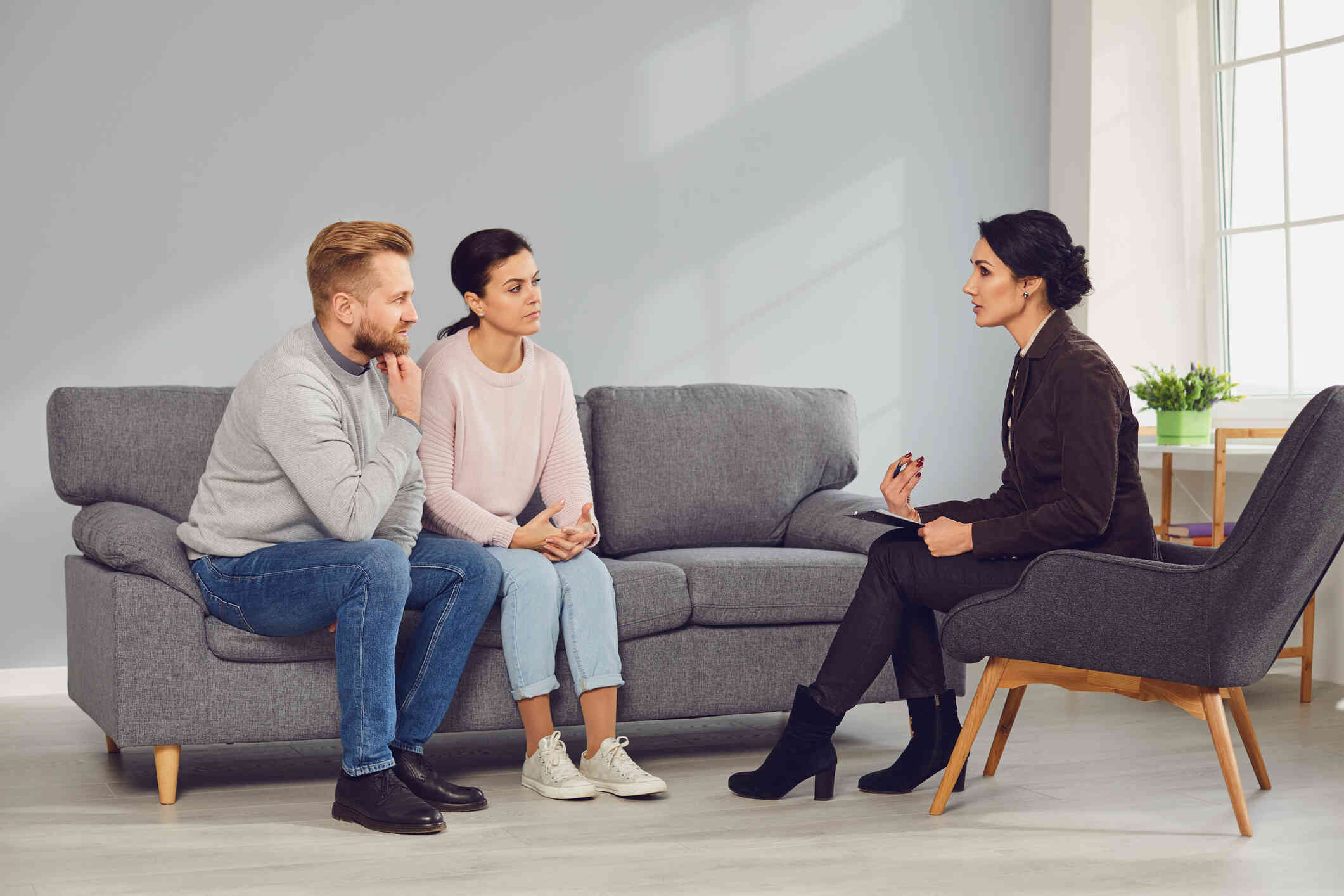
Also called marriage therapy, marriage counselling is when marriage and family therapy providers offer advice and support to couples or people in other types of romantic partnerships. A marriage counsellor can provide a non-judgmental space to spouses hoping to address a range of specific issues. A couple may work through infidelity, communication issues, frequent conflict, or other relationship problems. Any couple can attend relationship counselling sessions. The American Psychological Association (APA) refers to this type of therapy as couple and family psychology (CFP) because families and couples take many forms, and not all people choose to tie the knot in a long-term relationship.
In counselling sessions, a therapist might help their clients build healthy relationship skills, such as direct communication, active listening, and respect. They may also help the couple through a specific argument or challenge, such as a disagreement on when to have children or differing political views.
Common reasons couples seek counselling
There are many different specific issues that can prompt couples to participate in marriage counselling. The following are common situations and relationship difficulties that may cause married couples to seek counselling:
- Communication breakdown
- Bereavement
- Mental health crisis
- Financial issues
- Jealousy
- Conflict with a spouse’s friends, parents, or another family member
- Lack of intimacy
- Potential divorce
Potential benefits of relationship counselling
Multiple studies have suggested that couples therapy can be effective in many cases. For example, a 2020 meta-analysis reports that couples therapy has recently evolved to be available to more people, including through approaches like telehealth couples treatment. It indicates that many methods have been found effective, such as emotionally focused therapy and cognitive behavioral therapy. Researchers conclude the study with hope for the future of marriage therapy options.
Do you have to be married to see a couples counsellor?
You don’t have to be wedded to gain the benefits of counselling. Any couple can contact a counselor for relationship support, regardless of their status. You can also get therapy with an ex-partner if you’ve divorced or separated. Divorce therapy can sometimes be helpful for those who want to talk through divorce matters, such as child custody or emotions about the separation.
However, note that couples therapy might not be right for every situation. Experts generally don’t recommend couples therapy if your partner is abusive, as abusive partners often try to manipulate counselling sessions and control what is said.
Types of marriage counselling in England and Wales
There are many different approaches a counselling provider may use when working with couples. Below are some of the UK's most popular counselling methods and how they can support couples.
Gottman therapy for relationship counselling and marriage counselling
Gottman therapy is a form of talking therapy based on the Gottman Method, developed by Dr. John and Julie Gottman to help couples communicate more efficiently. This modality focuses on a visual model called the “Sound Relationship House,” which features different levels of connection. With this method, couples create “Love Maps” to learn more about each other’s inner worlds, view situations from new perspectives, and share their hopes for the future. The aim is for these insights to help couples understand each other more deeply, improve communication, and foster intimacy. Gottman therapists offer advice, coaching, exercises, and role-playing to support clients.
Emotionally focused therapy (EFT) for relationship counselling
Emotionally focused therapy was developed in the UK and is an option for those facing challenges related to insecure attachment or childhood traumas that impact their adult relationships. In this modality, the relationship counsellor helps the clients explore past life experiences and how they can affect the present. Empathy and emotions are highlighted in this modality, allowing couples to address specific issues, progress toward their goals, and get to know each other through different lenses.
Imago relationship counselling
Imago therapy is a unique modality developed in 1980 that focuses on transforming conflict through connection. With this form of marriage therapy, the therapist helps clients explore their childhood relationships with love and create personal images of who they want to be as whole and healthy adults so they can show up for their partner as well. Imago therapy can help foster a powerful sense of empathy between partners.
Cognitive behavioral therapy (CBT) and similar couples counselling modalities
Cognitive behavioral therapy (CBT) is one of the most widely used therapy modalities today. It can be used in individual therapy sessions or for couples. A CBT family therapist may offer sessions focused on how thoughts, emotions, and behaviors connect and how shifting distorted thoughts may shift other variables. For example, CBT can help a couple recognize how one partner’s mental health crisis may be impacting their beliefs about the relationship. Other modalities related to CBT that use similar methods include dialectical behavior therapy (DBT) and exposure and response prevention (ERP), which can be used for couples, individuals, and groups.
Session overview
Every counselling session differs depending on the method used and the unique clients. Often, in your first session, your counsellor will do your intake by requesting your insurance information (if applicable), asking about your past, and learning more about the reasons you chose to come to therapy. Some therapists may want to meet with each partner individually before talking to them together, as individuals may reveal insights alone that they don’t feel comfortable sharing in front of their partner. This method can help the therapist be more of a neutral third party and support the clients in learning to communicate these concerns to each other.
As your talking therapy journey progresses, your marriage counsellor can help you adjust your goals or set new objectives. For example, a couple may want to move away from processing past events and begin trying to improve communication. The format of sessions may also depend on whether the provider is conducting in-person or online counselling. Many couples prefer utilizing online platforms as they can find a non-judgmental space to discuss sensitive topics without leaving home.
The role of a marriage counsellor
The marriage counsellor is an unbiased third party who can help bridge divides between spouses who may be experiencing various relationship problems. Their job is to provide a non-judgmental space for both partners to express their thoughts and feelings regarding the marriage. Through talking therapy, the provider can help a couple understand the sources of their concerns. For example, they may point out the ways in which feelings of resentment are making it hard for a couple to improve communication.
The counsellor is also responsible for determining the best format for therapy. They may decide, for example, to include another family member during the counselling process. They may also incorporate techniques from various modalities into sessions. Further, professionals can make therapy more flexible by providing both in-person and online counselling.
In-person vs online marriage therapy
Online marriage therapy is an increasingly widely utilized approach that can make marriage counselling more readily available. Many couples find that online counselling is less daunting than in-person therapy, given that they can meet with a marriage counsellor from the comfort of home. Further, with online therapy couples can work through relationship issues even when they aren’t in the same place. Regardless of the approach you utilize, though, counselling can be a safe, non-judgmental space for you and your partner to express yourselves, resolve conflicts, and gain new perspectives on your emotional connection.
1.7M reviews with a 4.9/5 ★ session rating
Find the right therapist for you.
What type of therapy are you looking for?
Let's walk through the process of finding the right therapist for you! We'll start off with some basic questions.
How marriage counselling helps during a relationship crisis
Marriage counselling helps couples navigate relationship difficulties in various ways. A marriage counsellor can help mediate disputes between spouses, helping them overcome barriers (e.g., communication breakdown) and explore their potential causes (e.g., jealousy). When a couple is experiencing a crisis—for example, bereavement following the death of a partner’s parents or another family member—the counsellor can provide guidance. To help the bereaved partner process their feelings, the provider may focus on grief counseling during some sessions.
Progress and long-term benefits of counselling
As couples continue on their therapy journey, they may develop a sense of what is working and what is not, allowing them to make necessary changes. For example, they may see progress with relationship issues when they use techniques from Imago therapy but not from other modalities. Over the long term, a therapist may help participants determine new goals to pursue. Many couples, for instance, are better able to solve their most complex relationship problems once they improve communication. By understanding one another’s perspectives on these challenges, they may experience increasingly positive outcomes as therapy progresses.
When to seek counselling and how to decide if it’s right for you
You and your partner don’t have to be experiencing relationship issues to decide you’d like to participate in marriage therapy. Talking therapy can help couples strengthen an already close emotional connection. It may be a forum for expression, helping spouses learn to validate and support one another. Or it can be a place where partners learn to work together in new ways.
A marriage counsellor can also help engaged partners prepare for married life. Pre-marital counselling can help couples discuss their goals, merge their finances, and anticipate potential future relationship difficulties. Essentially, marriage therapy is for any couples looking for a non-judgmental space to form a deeper bond with their partner.
How it works
Is marriage counselling or couples therapy free in the UK?
Marriage therapy can be beneficial for spouses who decide to work through challenges in their relationship. However, some couples may be concerned about the cost of therapy, particularly if they’re pursuing counselling due to financial issues. The National Health Service (NHS) may sometimes offer free couples therapy under specific circumstances. Outside of the NHS, marriage counselling is typically not free. Couples with insurance could also have difficulty getting therapy covered, as it might be billed under one person’s insurance but would be serving two people. If you’re seeking free counselling, it could be helpful to contact your insurance company beforehand to find out how these situations are handled. Additionally, you might consider speaking with a professional through online therapy, which can be more affordable than meeting with a marriage counsellor in person. That said, some other options may be available.
When does the NHS cover marriage counseling in places like England and Wales for couples?
The National Health Service may offer couples counselling if they deem it medically necessary for one or both partners. For example, a person living with a depressive disorder may be able to receive couples therapy if their depression is impacting their relationship negatively. Whether you’ll be referred to couples therapy can also depend on availability and where you live. The NHS offers a search tool to look for couples counselors approved through their services for free.
Finding low-cost counsellors
Low-cost therapy options may be available for those who aren’t able to or don’t wish to go through the NHS. Consider the following.
Sliding-scale counselling
Sliding-scale therapists offer a lower session cost for those with low income. For example, they may charge only £20 an hour for clients who make under a certain amount, whereas they may charge £100 an hour for clients who can pay this rate. Some therapists charge a higher rate for people who can pay it and then apply a portion to sessions for lower-income clients so they can have a more affordable rate.
Charities
Some charities may offer lower-cost or free therapy to those who qualify in the UK. For example, those in the Royal Navy or Royal Marines can receive free couples therapy through Relate, a charity organized by the Royal Navy and Royal Marines Charity group (RNRMC). Other charities may exist to service other specific groups. Additionally, many churches offer free counselling to married couples.

Online counselling
Online therapy can be a cost-effective option for finding couples therapy with a relationship counsellor to openly discuss relationship-related concerns. A platform like BetterHelp for individual sessions or Regain for couples can offer subscriptions as low as £65, billed every four weeks. Online counselling platforms provide access to a large network of UK-based therapists, offering a variety of options to help clients find a professional who meets their needs. These platforms also provide flexible scheduling, enabling individuals to connect with a counsellor at times that work best for them. Multiple studies have indicated that online therapy platforms can be effective for addressing many types of concerns. In one study, for example, the research suggests that mindfulness-based talk therapy attended online was highly effective in treating anxiety and depression. In another, online therapy was reported to be more cost-effective than some face-to-face treatments.
Therapy that fits your life
Flexible, accessible, and built around you
- Transparent pricingNo hidden fees, know what you’ll pay upfront
- Fast matchingGet matched in as little as 48 hours
- In-App SchedulingMessage, chat, or schedule live video
- Easy to switchChange therapists anytime until you find the right fit
- Personalised supportCredentialed professionals with diverse specialties
Pricing is based on factors such as your location, referral source, preferences, therapist availability and any applicable discounts or promotions that might apply.
Finding the right therapist isn’t just important – it’s everything.
Find your matchTakeaway: Building a stronger relationship through counselling
Marriage counseling is a form of therapy that may help couples address conflict, improve communication, resolve issues, and build a stronger connection. Marriage therapy has given many couples the tools to navigate relationship problems, view situations from new perspectives, and make progress on their wellness journeys. Affordable marriage counseling in the UK can sometimes be difficult to find, but there are options available. The NHS, charities, non-NHS practices, sliding-scale therapists, and online platforms are a few to explore. With the right support, you can address relationship difficulties and foster a sense of well-being within your marriage.
The cost in the United Kingdom varies depending on the therapist’s training and expertise. On average, however, one session costs around £70.
Studies suggest that, in general, relationship therapy positively impacts around 70% of relationships. It’s important to note that this therapy tends to be most effective when both partners are actively involved in the process.
Some research suggests that around 70% of couples stay together after attending therapy. Receiving professional guidance on healthy communication and conflict resolution is helpful for many.
It may be possible to get relationship therapy for free through the NHS if your problems are directly related to a mental health condition. Otherwise, it’s usually necessary to pay for relationship therapy.
During couples therapy, the therapist typically acts as a mediator, helping each partner express their emotions and communicate effectively. The therapist may also offer advice and assign “homework,” such as suggesting they practice intentional affection or schedule a weekly date night. This may aid partners in moving forward.
Guidelines vary on how long partners should try therapy before divorcing. Some recommend five to 10 sessions, while others recommend 10 to 20 sessions. In the end, the decision to divorce is a very personal one that only the individuals in the relationship can make. For example, if only one partner is willing to give therapy a valid effort, they may reach a point when they no longer wish to deal with the challenges in their relationship and would rather separate.
Couples therapy and marriage counselling are largely the same. Counselling generally refers to counselling for married couples, while couples therapy can help couples whether or not they are legally together. However, the same strategies are typically used in both kinds of therapy.
Poor communication tends to be the main problem that leads to couples seeking therapy. Issues like infidelity and mismatched libidos are also common.
Relationship therapy usually isn’t covered by insurance. Sometimes, insurance might provide coverage for therapy if the issues in the partnership are directly related to a diagnosed mental health disorder.
Counselors usually try to guide clients in making their own decisions. In cases of abuse, they may recommend breaking up.
- Previous Article
- Next Article