Mindfulness Counseling Australia: Options For Mental Health Care
- For those experiencing suicidal thoughts, please contact the 988 Suicide & Crisis Lifeline at 988
- For those experiencing abuse, please contact the Domestic Violence Hotline at 1-800-799-SAFE (7233)
- For those experiencing substance use, please contact SAMHSA National Helpline at 1-800-662-HELP (4357)
Regular mindfulness helps with emotional balance, often improving overall well-being. Mindfulness is also woven into many therapy approaches to help individuals navigate mental health challenges. Below, we’ll explore the nature of mindfulness, what mindfulness counselling involves, how it can benefit mental and overall wellbeing, and how Australians can find this type of care.
Affordable therapy that fits your budget
Get started with a licensed therapist for just $90-$120 AU per week, billed weekly or monthly.
Get startedPricing is based on factors such as location, referral source, preferences, therapist availability and any applicable discounts or promotions that might apply.
What is mindfulness?
Mindfulness is the deliberate act of paying attention to the present moment without judgment. Rather than suppressing thoughts or emotions, mindfulness encourages individuals to acknowledge them with curiosity and kindness.
This practice may involve noticing sensations, thoughts, and surroundings, then gently returning focus when the mind wanders. Using the concept in therapy was popularized by figures such as Jon Kabat-Zinn, who developed mindfulness-based stress reduction (MBSR) as a systematic way to manage stress and emotional challenges.
Understanding mindfulness and mental health
When applied to mental health, mindfulness can offer a bridge between thought and emotion, creating space to respond rather than react. This shift may make it easier to manage symptoms of anxiety, depression, and overwhelming feelings by encouraging acceptance of experience and allowing clients to step back from unhelpful thinking cycles and reduce the intensity of difficult emotions.
The skill of mindfulness can also help a counsellor or other psychology professional empower clients to examine critical aspects of their lives—past, present, and future—and engage with challenges in a healthier way. For example, mindfulness approaches could help a client understand and discuss how past experiences have shaped their relationship to anger and notice when angry feelings are arising.
What is mindfulness counseling?
Mindfulness counseling is a therapeutic process where mindfulness principles are integrated into counseling sessions. It involves a trained professional guiding individuals in cultivating awareness of thoughts, feelings, and bodily sensations in a safe, supportive setting. Rather than focusing solely on problem-solving, a mindfulness counselor usually encourages present-moment awareness as a foundation for insight and change.
This approach can be helpful for a range of challenges, including mental health conditions, workplace stress, relationship difficulties, and recovery from domestic violence or other trauma. By developing a nonjudgmental attitude toward experience, individuals may find it easier to navigate uncertainty, regulate emotions, and make meaningful choices in life.
Approaches that are often combined with mindfulness-based counseling methods
Mindfulness-based counseling can be part of or combined with other therapeutic modalities. Common examples include:
- Mindfulness-based stress reduction (MBSR): a structured program designed to help a person manage stress, chronic pain, or illness
- Mindfulness-based cognitive therapy (MBCT): integrates mindfulness practices with cognitive therapy
- Acceptance and commitment therapy (ACT): encourages psychological flexibility by combining mindfulness skills with values-based action
- Dialectical behavior therapy (DBT): teaches mindfulness alongside skills for distress tolerance and emotional regulation
Sessions of any of the above modalities may involve guided meditation, breathing exercises, body scans, and/or mindful movement. Counselors will typically also encourage regular practice between sessions to help new skills become part of everyday life.
How can mindfulness-based counseling improve mental health?
Mindfulness-based counseling may contribute to positive mental health by shifting how individuals engage with their thoughts and emotions. Rather than trying to control or eliminate them, individuals may learn to observe their inner experiences with less attachment.
According to research, cultivating the skill of mindfulness may help:
- Reduce symptoms of anxiety and depression
- Improve self-awareness and emotional regulation
- Enhance concentration and decision-making
- Increase tolerance for uncertainty
- Foster greater compassion toward oneself and others
Additional research suggests that these benefits can build gradually through regular practice by strengthening neural pathways associated with calmness and reducing habitual stress responses.
Mindfulness meditation for stress, anxiety, and more
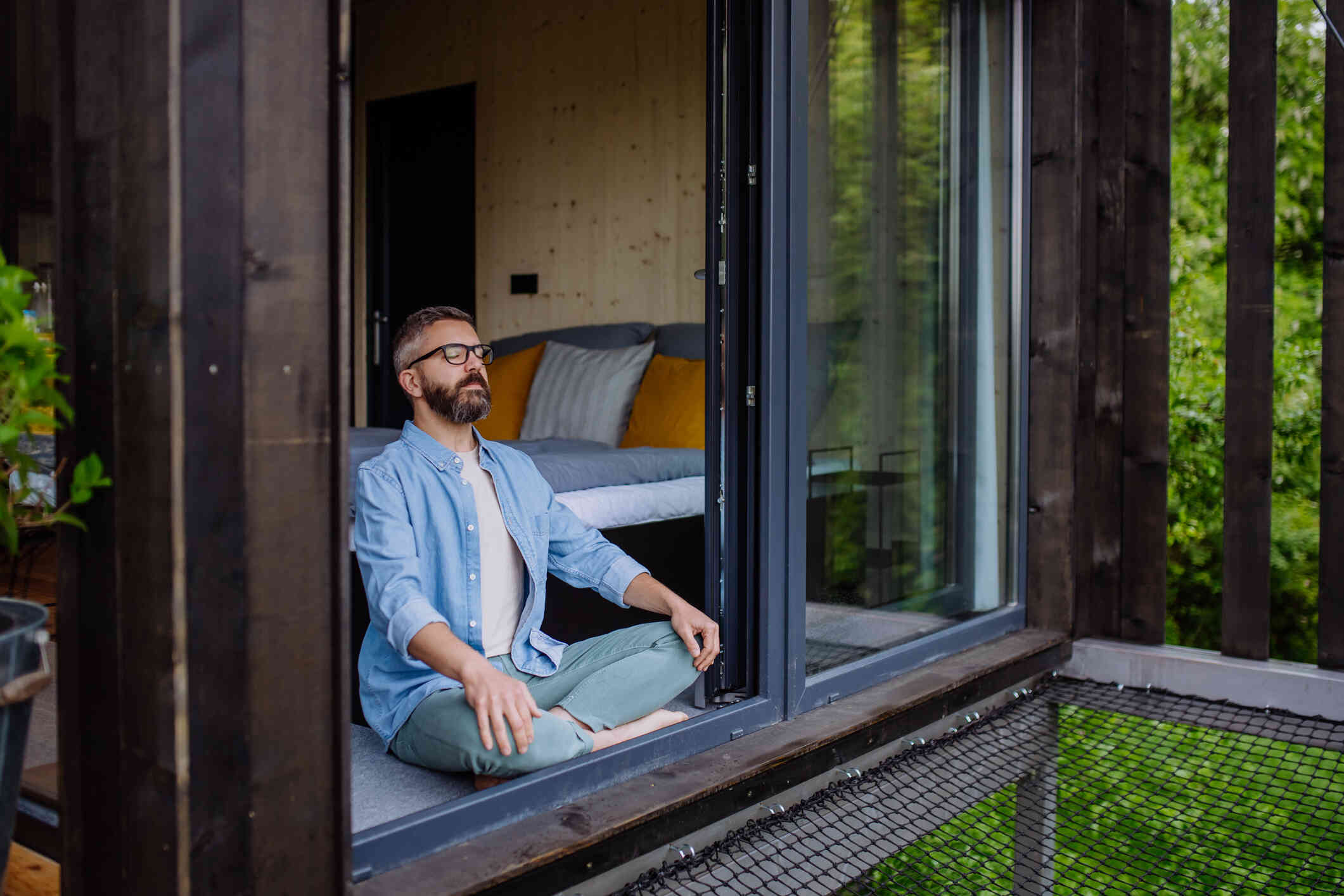
Mindfulness meditation offers a practical way to work with stress, anxiety, and other mental health challenges. By anchoring attention to the breath or body, meditation aims to create a pause that interrupts the momentum of distressing thoughts. Over time, this pause can extend into daily interactions, potentially supporting steadier responses to conflict, work demands, or personal challenges.
For example, a person experiencing workplace tension might notice their heart rate increase, then use slow breathing to center themselves before speaking. Or, someone facing difficult emotions after a relationship change might use a body scan to reconnect with physical sensations and reduce mental rumination. While meditation is not a cure-all, it can be a valuable part of a systematic approach to building emotional resilience.
Finding mindfulness counselling in Australia
Many therapists incorporate mindfulness into their sessions, whether in structured programs or as part of more general talk therapy. Mindful counselling in Australia can be found through independent practices, community health centers, and online therapy platforms.
Exploring options for therapy and mindfulness counselling in Australia
Many counselors and therapists can help clients learn mindfulness techniques, and some providers are specifically trained in mindfulness-based approaches. Finding an individual or family counsellor who can provide a comfortable space for opening up and who has the qualifications you're looking for can be important for receiving quality care.
Here are some ways to find mindfulness-based counseling in Australia:
- BetterHelp, an online platform connecting users to qualified therapists, some of whom may be experienced in mindfulness training
- Online counseling directories like the Australian Counselling Association listings
- Mindfulness-based programs at universities, wellness centers, or workplaces
- Independent practice psychologists or counselors who can discuss and teach mindfulness skills as part of treatment
Therapy that fits your life
Flexible, accessible, and built around you
- ✓Transparent pricingNo hidden fees, know what you’ll pay upfront
- ✓Fast matchingYou can get matched in as little as 48 hours
- ✓In-App SchedulingMessage, chat, or schedule live video
- ✓Easy to switchChange therapists anytime until you find the right fit
- ✓Tailored supportCredentialed professionals with diverse specialties
Pricing is based on factors such as your location, referral source, preferences, therapist availability and any applicable discounts or promotions that might apply.
Other mental health resources for Australians
For broader mental health support in Australia, there is available. For example:
- Beyond Blue: information and phone support for anxiety, depression, and related concerns
- Lifeline Australia: crisis support and suicide prevention services
- Head to Health: a government resource connecting people to mental health services
Mindfulness programs and courses in Australia
Australians who want to develop a mindfulness practice might also consider taking courses through a meditation school. These can provide a comfortable space for an individual or family to learn and practice mindfulness. Some mindfulness courses in Australia include:
Mindfulness meditation tips for managing stress, anxiety, and mental health
If you’re interested in practicing mindfulness, you can get started right away. The following suggestions may help make mindfulness meditation a more effective part of your routine:
- Start small. Begin with just two to five minutes daily and gradually increase the duration.
- Choose an anchor. Use breath, sound, or body sensations as a steady point of focus.
- Allow distraction. Notice wandering thoughts and gently return to the present without criticism.
- Integrate into daily life. Bring mindful awareness to routine activities like eating, walking, or listening.
- Stay consistent. Aim for steady practice rather than perfection; progress often comes gradually.
The potential benefits of a regular mindfulness practice
Engaging in mindful practices can potentially support emotional balance, reduce stress, and enhance well-being. Regular mindfulness work has been linked to improvements in mood, reduced physiological stress markers, and greater life satisfaction.
How a regular mindfulness practice can make positive changes in the brain
Consistent mindfulness may promote mental health by producing positive brain changes. For example, a regular mindfulness practice can make changes to brain physiology that improve one’s ability to pay attention.
Regular mindfulness may also improve sleep, a core component of emotional regulation that can have direct ties to mental health. One study suggests that mindfulness can involve “learned techniques that reduce sleep-interfering cognitive processes,” like worrying and rumination, giving a person a mental break so they can get quality rest.
Preventing relapse with mindfulness-based therapy
Evidence-based therapeutic approaches based on mindfulness can also be powerful tools for mental health. For instance, psychology research suggests that MBCT can be helpful in preventing relapse in those with depression and other conditions. Reducing the risk of relapse can be critical for well-being and quality of life.
How therapy can help
Therapy can offer structured guidance for developing mindfulness skills along with other strategies for emotional resilience. A counselor can help identify patterns that contribute to anxiety, depression, or other challenges and work collaboratively with clients to integrate mindfulness into everyday life. This guided approach may make it easier to maintain a regular practice, especially when navigating difficult emotions or complex situations.
The benefits of online therapy
Research suggests online therapy can often be equally effective as in-person sessions for a wide range of concerns. Additionally, online therapy may be a more convenient option, since you can engage in sessions from anywhere—no commuting required. This may be especially helpful for individuals in rural areas or those balancing demanding schedules. It’s often more affordable than traditional in-person sessions without insurance as well.
How it works
1.7M reviews with a 4.9/5 ★ session rating
Find the right therapist for you.
What type of therapy are you looking for?
Let's walk through the process of finding the right therapist for you! We'll start off with some basic questions.
Takeaway
What is mindfulness counseling, and how does it work in Australia?
One way to think about mindfulness practices is to divide them into personal practices and those that are guided by a therapist. A personal practice is one you can do on your own at home, learning techniques from an audio track or focusing on simple, present awareness.
When working with a therapist or social work professional, you might learn techniques based on mindfulness that can improve mental health. For example, mindfulness-based cognitive behavioural therapy sessions incorporate both mindfulness and the skill of recognizing distorted thinking patterns. An MBCT session could be helpful for someone who is looking for evidence-based mental health support and also wants to cultivate mindfulness.
What is the difference between mindfulness and meditation in therapy?
Mindfulness is an approach and framework with a lot of techniques, while meditation is just one of these mindfulness tools. The concept of mindfulness involves bringing your mind into the present moment and observing feelings and situations without judgment.
Meditation can be as simple as taking five minutes to yourself in a quiet place to close your eyes, focus on your breath, and try to observe your thoughts and bodily sensations without judgment.
What happens in a mindfulness-based therapy session?
It depends on the type of mindfulness session. Mindfulness-based cognitive behavioral therapy, for example, may involve practicing the process of noticing thoughts and gently shifting them if they are distorted.
Do psychologists in Australia recommend mindfulness-based therapy?
Many psychologists recommend mindfulness as a complementary therapy to more traditional therapeutic treatment. Research suggests that mindfulness has the potential to bring about various health benefits for an individual.
Is mindfulness-based therapy covered by Medicare Australia?
Medicare Australia may reimburse up to ten individual therapy sessions and group therapy sessions each calendar year. They also offer a four-lesson online mindfulness program for their subscribers.
Is there free or low-cost mindfulness counseling available in Australia?
Medicare Australia offers several options for free or low-cost mental health care through federal and state-funded programs.
What does a mindfulness therapist do?
A mindfulness therapist utilizes different mindfulness practices as a part of the therapeutic process. They may use it as a supplement to cognitive behavioural therapy, dialectical behavioural therapy, or acceptance and commitment therapy. They teach mindfulness techniques that were developed to increase awareness of the thoughts, feelings, and actions that may be hindering our growth.
What are the criticisms or limitations of mindfulness therapy?
While effective for some, mindfulness isn’t for everyone. For some, mindfulness practices increase the stress response, leading to negative emotions, dissociation, and sleep disturbances. Individuals with unprocessed trauma may be at higher risk for this kind of response.
In addition, because mindfulness is ubiquitous, there can be some blurring of the lines between the true science and pop-science aspects. True mindfulness therapy should be administered by a mental health professional, not a life coach or other non-evidence-based practitioner.
Is online mindfulness counseling cheaper than in-person therapy in Australia?
For some, online therapy is a more affordable option, especially if they want to work with private practice therapists or have used up their free medicare sessions.
How do I become a qualified mindfulness practitioner in Australia?
This depends on what type of practice you are interested in pursuing. There are a number of online courses that offer qualifications as a “mindfulness teacher” or “mindfulness trainer” under the purview of complementary healthcare. However, if you are interested in qualifying as a therapist, you will start with a university education in psychology or a related field. After receiving at least a master’s degree, you will train under supervision and can specialize in mindfulness.
- Previous Article
- Next Article