

Relief for anxiety is possible—
and just a click away
Get professional, evidence-based anxiety therapy without leaving home. BetterHelp offers flexible online sessions—live chat, audio, or video—in a way that works for you.
Find relief from anxiety with online therapyAnxiety can make everyday life feel overwhelming, but you don’t have to face it alone.

Eligible insured members pay an average copay of $23/session*
Check your coverage*Coverage may vary by state and provider availability.
How therapy for anxiety anxiety therapy works on BetterHelp
Seeking therapy for anxiety shouldn’t add stress to your life. With BetterHelp, anxiety therapy is fast, easy to use, tailored to you, and backed by research.

1
Fill out a brief 5-minute assessment.
Simply fill out a short questionnaire regarding your symptoms and therapy goals to get started.

2
Get matched with a therapist who gets you.
Get matched with a therapist who aligns with your needs and preferences in as little as 48 hours. As the world’s largest online networks of therapists, we have a vast array of therapists who specialize in anxiety. And if you aren’t happy with your current mental health provider, you can easily switch therapists at the click of a button.
3
Attend therapy sessions your way.
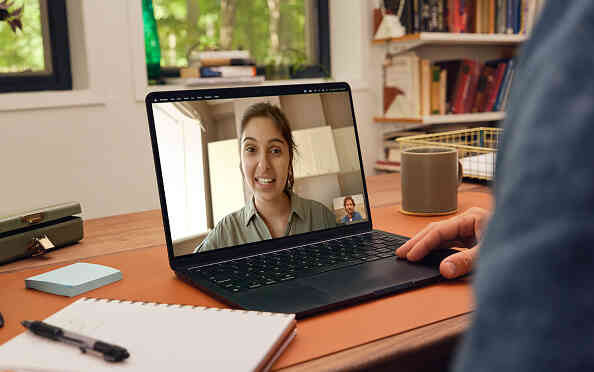
With BetterHelp online therapy, you can meet with your therapist wherever and however you feel comfortable: you can have therapy sessions over the phone, with your video off, or even over chat—all from the comfort of home. No more going to an office, no more running into people, no more awkward social interactions that may spike your anxiety.

4
Message your therapist at any time for additional support.
Anxiety symptoms can rear their heads at unexpected—and unfortunate—times. They don’t wait around until your next appointment to show up. Now, you don’t have to wait: simply send a message to your therapist anytime, and they will respond when they can.

5
Find relief from anxiety and improve mental health.
Skeptical about whether online therapy can actually reduce anxiety? With BetterHelp, the results speak for themselves: in 2024, 72% of BetterHelp users experienced a reduction in symptoms in 12 weeks, as measured by the GAD-7 and PHQ-9.
Ready to get started?
Begin your healing journey todayTypes of therapy for anxiety offered through BetterHelp
BetterHelp offers access to therapists who are experienced in treating anxiety with a variety of evidence-based methods.
Cognitive behavioral therapy (CBT)
- What it is: In CBT for anxiety, your therapist helps you challenge distorted thoughts, replace them with healthier ones, and build coping skills to reduce anxiety levels.
- What the research says: A large body of research has demonstrated the effectiveness of online CBT for anxiety symptoms. A recent systematic review found that online CBT and face-to-face CBT created equivalent effects in the treatment of anxiety disorders.
Acceptance and commitment therapy (ACT)
- What it is: In acceptance and commitment therapy (ACT), you can build resilience and develop psychological flexibility to help you manage anxiety disorders.
- What the research says: Research has demonstrated the effectiveness of ACT delivered online for anxiety. A recent systematic review examined results from 20 studies and found that internet-delivered ACT can be an effective treatment for adults with generalized anxiety disorder and general anxiety symptoms.
Mindfulness-based stress reduction (MBSR)
- What it is: Mindfulness-based interventions, such as mindfulness-based stress reduction (MBSR), are another possible treatment option for anxiety. In MBSR, you can learn relaxation and grounding techniques to help you reduce stress and anxiety.
- What the research says: A recent systematic review found that online mindfulness-based interventions improved anxiety symptoms in adults, and a recent randomized controlled trial found an online MBSR program to be effective for alleviating anxiety and related symptoms.


Cost of anxiety therapy online
BetterHelp online therapy costs around $70-100* per week billed on a monthly or weekly basis, or an average co-pay of $23 per session* for insurance-eligible members.
BetterHelp has joined with major insurance carriers in select states to provide in-network therapy coverage. BetterHelp may accept insurance as a payment option depending on the state that you currently reside in.
Have health insurance or an HSA/FSA? BetterHelp has joined with select insurance carriers in select states to provide in-network therapy coverage, accepts HSA/FSA cards, and is recognized as an eligible expense by most HSA/FSA providers.
*Subscription pricing is based on factors such as your location, referral source, preferences, therapist availability and any applicable discounts or promotions that might apply.
72%
of BetterHelp users experienced a reduction in symptoms in 12 weeks
4.9 out of 5
average rating for a live session, from over 1.7 million client ratings
82%
of clients in treatment likely to recommend their therapist to others
93%
of use preferences met when matching with a therapist
BetterHelp Reviews & Success Stories
Hear from real users about their experience in our more than 60,000 5-star reviews:

“Michelle helps me tremendously to work through my grief journey and the anxiety and stress. She arms me with appropriate coping mechanisms and to understand sometimes you just need to be sad, as long as you don't stay there. She communicates effectively, quickly and remembers my story and all the characters involved- very important to me. Would highly recommend”
Date of review • December 09, 2025

“She is very kind and provides me with a safe place to speak honestly about my feelings. I wasn’t sure about therapy before but speaking with her has made me feel more comfortable talking my anxiety.”
Date of review • December 3, 2025
“I’m very grateful for the support I’ve received from Dr. Hinton. She created a safe, comfortable space for me to talk openly and gave me practical, compassionate guidance that has genuinely helped me manage my anxiety. Her insights and strategies have made a real difference in my day-to-day life, and I appreciate how she tailors her approach to my needs. I would highly recommend her to anyone looking for caring and effective therapy.”
Date of review • December 03, 2025
“Courtney is a great therapist, she is understanding and has great coping skills along with other helpful advice for dealing with stress and anxiety.”
Date of review • December 03, 2025

Testimonials are from actual BetterHelp clients. Photos are stock images. Results may vary.
Learn more about anxiety through these resources
Do I Have Anxiety? Understanding Anxiety Disorder As A Mental Health Condition
Medically reviewed by Majesty Purvis, LCMHC

Generalized Anxiety Disorder Symptoms And Mental Health Effects
Medically reviewed by Laura Angers Maddox, NCC, LPC

How To Deal With Anxiety: Tips For Stress Relief And Mental Health
Medically reviewed by Julie Dodson, MA, LCSW

Anxiety Disorders: Causes, Symptoms, Types, And Treatment For Improved Mental Health
Medically reviewed by April Justice, LICSW
Frequently asked questions about anxiety therapy
More FAQs
What are self care strategies for anxiety?
Not quite ready to start therapy? There are plenty of strategies you can try on your own that may help you manage anxiety:
- Learn evidence-based relaxation techniques, such as deep breathing, body scanning, and progressive muscle relaxation, to help you manage anxious feelings
- Practice grounding and mindfulness exercises to help you cope in situations that make your anxiety worse
- Try guided journaling to help you process negative emotions and reframe negative thinking patterns
- Learn more about stress, anxiety, coping skills, other mental health conditions, and so much more through our extensive library of articles
What type of therapy is best for anxiety?
Cognitive behavioral therapy (CBT) is often considered the gold standard treatment for anxiety. However, different people may respond better to other approaches. Other types of therapy that are commonly used to treat anxiety disorders include acceptance and commitment therapy, mindfulness-based interventions, and cognitive therapy.
What are the symptoms of anxiety?
Anxiety disorders involve persistent, excessive fear or anxiety that can disrupt many aspects of life. Common anxiety symptoms include:
- Psychological symptoms such as excessive worry or dread, difficulty concentrating, irritability, distressing thoughts that are hard to control, and avoidance of certain situations or activities
- Physical symptoms such as muscle tension, rapid heartbeat, difficulty sleeping, trembling, sweating, and shortness of breath
What are the different types of anxiety disorders?
Specific symptoms vary by disorder, as there are several different types of anxiety disorders, including:
- Generalized anxiety disorder
- Panic disorder, characterized by recurrent panic attacks
- Social anxiety disorder (previously called social phobia)
- Specific phobias
- Agoraphobia
- Separation anxiety disorder
- Selective mutism
Related disorders include obsessive-compulsive disorder (OCD) and post-traumatic stress disorder (PTSD), which had previously been considered anxiety disorders but are now classified separately by the Diagnostic and Statistical Manual of Mental Disorders, Fifth Edition (DSM-5).
What is the 3-3-3 rule for anxiety?
The 3-3-3 rule is a grounding technique that can be helpful for managing anxiety by bringing your focus to the present moment. To practice this technique, simply identify three things you can see, three things you can hear, and three parts of your body you can move.
What is the best way to manage anxiety?
In general, therapy has been shown to be the most effective treatment option for anxiety. In terms of specific coping tools, the best way to manage anxiety can depend on the individual and the type of anxiety they experience. For instance, the most effective approach for someone with panic attacks may differ from the most effective approach for someone with a fear of public speaking. Beyond therapy, other possible approaches for managing anxiety include joining a support group, making lifestyle changes, or taking medication (as recommended by a doctor).
What are 5 signs you have anxiety?
There can be many different signs and symptoms of anxiety, but some common signs to consider include the following:
- Excessive fear or worry
- Difficulty concentrating
- Muscle tension
- Difficulty sleeping
- Shortness of breath
As the American Psychiatric Association notes, the exact causes of anxiety disorders are not currently known, but a variety of factors may play a role. These include genetic factors such as a family history of anxiety and environmental factors such as repeated exposures to a traumatic event; in some cases, the presence of certain physical conditions may also contribute to anxiety.
What is the hardest anxiety to treat?
There is not one specific anxiety disorder that is universally considered the hardest to treat, but in general, anxiety disorders that do not respond to standard treatments—known as “treatment-resistant anxiety disorders”—can pose significant treatment challenges.
When should I seek help for anxiety?
While anxiety is a natural response to stress that most people experience from time to time, for individuals with an anxiety disorder, there is more than just occasional worry. If anxiety becomes severe or starts to interfere with your day-to-day activities, therapy can help.
Anxiety is treatable, so if you are experiencing symptoms, know that there is a way forward past anxiety, and you don’t have to walk that path alone.
What are the available communication options with my BetterHelp therapist?
You can work with a BetterHelp therapist remotely for support with anxiety and other mental disorders, either via phone call, video call, or live chat. You can also message your therapist any time outside of sessions and they’ll respond when they’re able to.
Is online psychiatry the same as seeing a psychiatrist in person?
Online psychiatry offers many of the same services as in-person care, including evaluations and medication management, delivered through discreet video visits. The experience may differ, but the clinical standards remain the same.
Can BetterHelp substitute for traditional face-to-face therapy?
For mental health conditions like anxiety, meeting with a mental health professional online is often as effective as meeting with a provider in person.
Who are the therapists on BetterHelp?
BetterHelp therapists must have valid mental health credentials in their state, a relevant academic degree, and at least three years and 1,000 hours of hands-on experience. While BetterHelp therapists can’t diagnose or give advice related to prescription medications, they can provide care through evidence-based psychological therapy.
Should I go to therapy if I have anxiety?
When an anxiety disorder is diagnosed*, therapy is usually the first-line treatment. Other common anxiety treatment options include taking medication prescribed by a doctor and cultivating healthier behaviors, like getting more exercise or taking dietary supplements.
*BetterHelp is designed to provide ongoing mental health support and talk therapy. It isn’t a substitute for in-person psychiatric evaluation, medication management, or formal assessments when a diagnosis or official documentation is required for work, school, disability, or legal purposes.
Resources for anxiety, beyond therapy
In search of additional mental health resources? Explore even more about anxiety through the resources below:
- Learn more about anxiety disorders and explore helpful fact sheets through the National Institute of Mental Health
- Learn more about symptoms of various anxiety disorders through SAMHSA
- Explore the vast collection of articles on anxiety in the BetterHelp Advice sect
If you are in a crisis or any other person may be in danger, do not use this site. BetterHelp does not provide services for those in need of urgent assistance. Visit our Get Help Now page to find immediate support.
You don’t have to face anxiety alone.
Whether your symptoms are mild or overwhelming, online therapy through BetterHelp can help you reconnect with hope and progress at your own pace.
Get matched with anFind your anxiety therapist