Work
Anxiety at work might look like:
Struggling to concentrate due to ruminating thoughts
Struggling to complete tasks
Experiencing burnout or fatigue
Having difficulty meeting deadlines
Avoiding workplace interactions or events

Get professional, evidence-based anxiety therapy without leaving home. BetterHelp offers flexible online sessions—live chat, audio, or video—in a way that works for you.
Anxiety and related mental health conditions can make daily life feel overwhelming, but you don’t have to face it alone.
*Coverage may vary by state and provider availability.
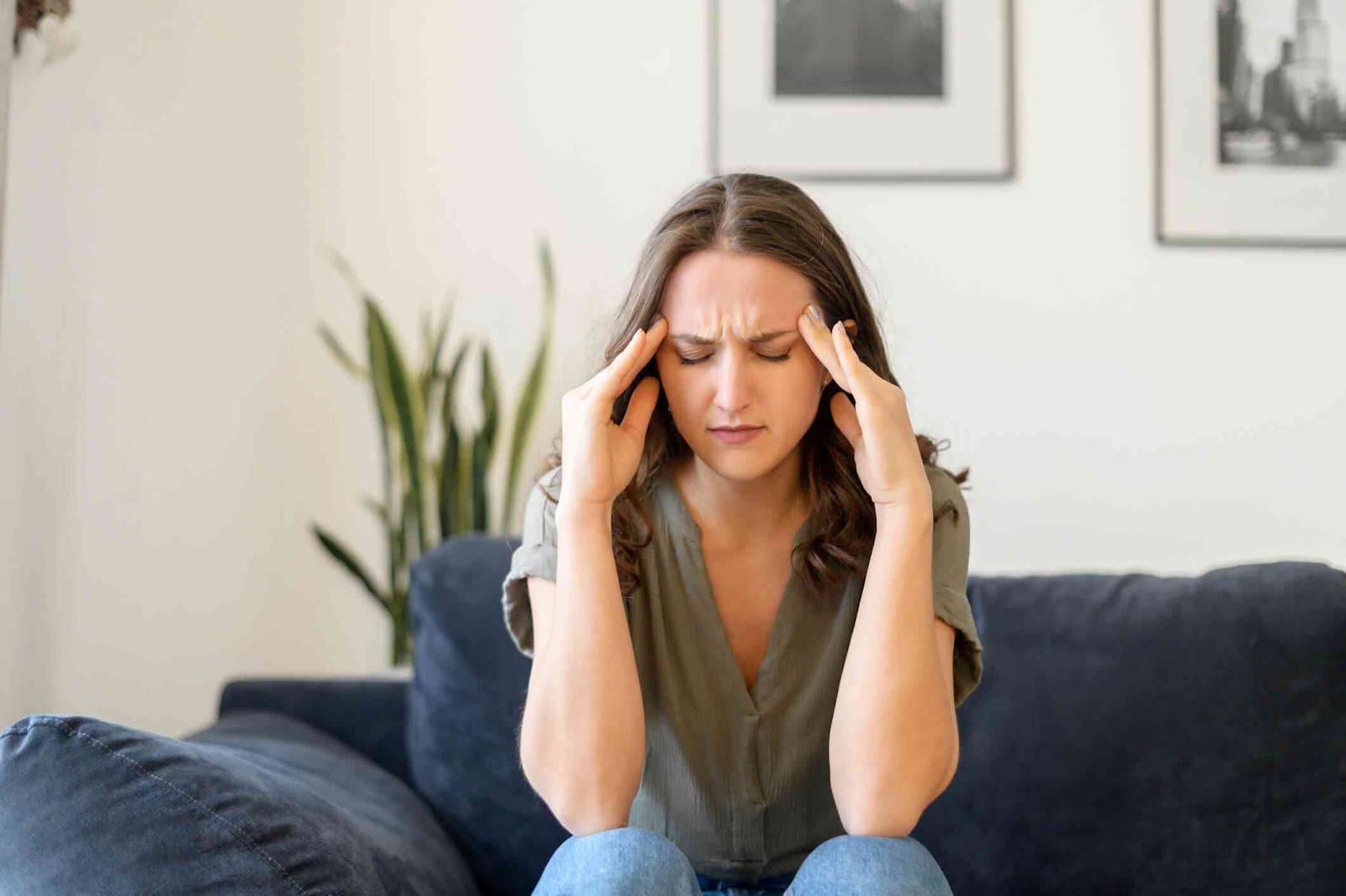
Maybe you can’t stop the steady stream of worst-case scenarios running through your head. Or maybe you feel like you can’t take a full breath.
If any of this sounds familiar, you’re not alone. This is what living with anxiety can feel like, and it’s very common: according to the National Institute of Mental Health, roughly 1 in 3 adolescents and adults in the U.S. experience anxiety disorders at some point in their lives.
Anxiety isn’t just worry. It can mean:
Everyday stress tends to have a clear cause and dissolves once that cause passes. Anxiety often storms in without a clear cause or feels out of proportion to what’s happening, and it tends to stick around as a near-constant companion. If you’re experiencing worry that doesn’t go away, dominates your thoughts, or negatively impacts your life, that can be something to pay attention to.
Anxiety isn’t a sign of weakness, and it’s not your fault. In fact, anxiety is your body’s natural reaction to stress, and it can arise even without an actual, current threat present. Anxiety becomes a challenge when it sticks around and disrupts your life, which can happen for a range of reasons that are often outside your control. Factors like genetics, traumatic early life experiences, chronic stress, and even brain chemistry may all play a role, though the exact causes of anxiety disorders are not yet fully understood. For many people, anxiety may develop due to a combination of complex factors.
Understanding the roots of your anxiety can often be the first step toward changing your relationship with it. This is what therapy can help with. In talk therapy (also called psychotherapy), you can uncover and address the underlying factors that contribute to your anxiety.

Simply fill out a short questionnaire regarding your symptoms and therapy goals to get started.

Get matched with a mental health professional or therapist who aligns with your needs and preferences in as little as 48 hours. As the world’s largest online networks of therapists, we have a vast array of therapists who specialize in anxiety, including social anxiety disorder, generalized anxiety, and more. And if you aren’t happy with your current mental health provider, you can easily switch therapists at the click of a button.
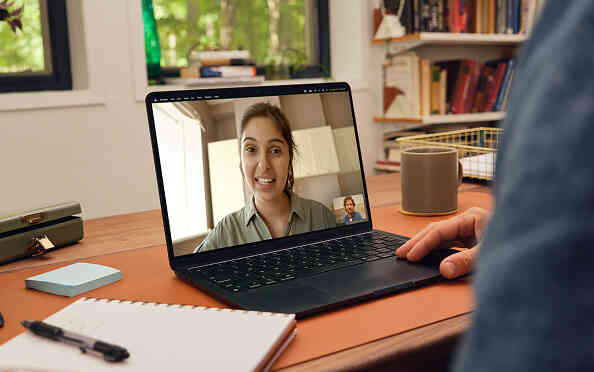
With BetterHelp online therapy, you can meet with your therapist to build a treatment plan, wherever and however you feel comfortable: you can have therapy sessions over the phone, with your video off, or even over chat, all from the comfort of home. No more going to an office, no more running into people, no more awkward social interactions that may spike your anxiety.

Anxiety symptoms can rear their heads at unexpected—and unfortunate—times. They don’t wait around until your next appointment to show up. Now, you don’t have to wait: simply send a message to your therapist anytime, and they will respond when they can.

Skeptical about whether online therapy can actually reduce anxiety? Whether you're managing mild symptoms or severe anxiety, with BetterHelp, the results speak for themselves: in 2024, 72% of BetterHelp users experienced a reduction in symptoms in 12 weeks, as measured by the GAD-7 and PHQ-9.
Ready to get started?
Answer a few questions so we can match you with a therapist that’s right for you.
Use it like any other debit or credit card on the payment page when paying for therapy sessions.
Get matched and begin working with your licensed therapist.
Anxiety affects many aspects of our lives. Here's how it might look in different situations.
Anxiety at work might look like:
Struggling to concentrate due to ruminating thoughts
Struggling to complete tasks
Experiencing burnout or fatigue
Having difficulty meeting deadlines
Avoiding workplace interactions or events
Anxiety in relationships might look like:
Struggling to maintain intimacy or connection
Difficulty trusting others
Overthinking, seeking reassurance, or catastrophizing
Having a constant need for validation
Having affairs or insecurities
Difficulty maintaining boundaries or attachment issues
Anxiety in social situations might look like:
Struggling to make or maintain eye contact
Having a dry mouth or sweaty palms
Overthinking words or actions
Worrying that others are judging you
Avoiding that event you know you should attend
Isolating that makes socializing more difficult
Anxiety in daily life might look like:
Putting off that appointment or task until later
Difficulty driving or taking public transport
Difficulty sleeping or waking up
Avoiding that event you know you should attend
Worrying about the future or past events
Constant sense of dread or unease
Some of these dynamics may not be immediately recognized as anxiety, as they can look like procrastination, avoidance, or social withdrawal. But these patterns can be common for many people living with anxiety, and this is precisely where therapy can help.
In therapy, you can learn how to reshape these patterns in the contexts where they are most disruptive. When you get matched with a therapist on BetterHelp, you can express which areas of your life anxiety is affecting most, so you can focus your sessions on finding the relief you need.
BetterHelp offers access to therapists who are experienced in talk therapy and treating anxiety with a variety of evidence-based methods.
What it is: In CBT for anxiety, your therapist helps you challenge distorted thoughts, replace them with healthier ones, and build coping skills to reduce anxiety levels.
What the research says: A large body of research has demonstrated the effectiveness of online CBT for anxiety symptoms. A recent systematic review found that online CBT and face-to-face CBT created equivalent effects in the treatment of anxiety disorders.
What it is: In acceptance and commitment therapy (ACT), you can build resilience and develop psychological flexibility to help you manage anxiety disorders and related physical symptoms.
What the research says: Research has demonstrated the effectiveness of ACT delivered online for anxiety. A recent systematic review examined results from 20 studies and found that internet-delivered ACT can be an effective treatment for adults with generalized anxiety disorder and general anxiety symptoms.
What it is: Mindfulness-based interventions, such as mindfulness-based stress reduction (MBSR), are another possible treatment option for anxiety. In MBSR, you can learn relaxation and grounding techniques to help you reduce stress and anxiety.
What the research says: A recent systematic review found that online mindfulness-based interventions improved anxiety symptoms in adults, and a recent randomized controlled trial found an online MBSR program to be effective for alleviating anxiety and related symptoms.
For many people, anxiety doesn’t show up on its own. It is often accompanied by depression, sleep difficulties, chronic pain, digestive issues, post-traumatic stress, or challenges with alcohol or other substances. If you’re juggling multiple challenges at once, that’s not unusual, and help is available for all of them.
Therapists at BetterHelp are trained and experienced in supporting the full picture of what you’re experiencing, not just one piece of it. You can bring your full self to sessions, and they can help you find your way forward.
Here's what you need to know about using insurance for anxiety therapy
To understand your insurance coverage for anxiety therapy, it's often best to contact your insurer directly. Due to the Mental Health Parity and Addiction Equity Act, most plans offer similar coverage for mental health conditions as they do for other medical conditions. To determine if your plan covers online therapy specifically, you can also check this with your insurer, asking about insurance coverage for virtual therapy.
Many insurance plans have restrictions or requirements for coverage, such as only covering providers in their network ("in-network providers"), setting limits on the number of therapy sessions covered per year, or requiring that the provider obtain approval from your plan ("prior authorization") before providing services. It can be important to check with your plan to understand in-network vs. out-of-network coverage, session limits, and other restrictions.
You may also have other options available that could help make therapy more affordable. For example, some employers offer Employee Assistance Programs that can allow you to access free short-term counseling. If you have an HSA or FSA, you may be able to use the funds to pay for therapy such as BetterHelp, which is recognized as an eligible expense by most HSA/FSA providers. You can also explore other affordable therapy options that may work with your budget, even without insurance.
For the most accurate information about your specific plan, contact your insurance company directly or check your member portal. If you’re not sure what your plan covers, you can check your insurance benefits directly through BetterHelp before you get started.




BetterHelp online therapy costs around $70-100* per week billed on a monthly or weekly basis, or copays as low as $15* for insurance-eligible members.
BetterHelp has joined with major insurance carriers in select states to provide in-network therapy coverage. BetterHelp may accept insurance as a payment option depending on the state that you currently reside in.
Have health insurance or an HSA/FSA? BetterHelp has joined with select insurance carriers in select states to provide in-network therapy coverage, accepts HSA/FSA cards, and is recognized as an eligible expense by most HSA/FSA providers.
*Subscription pricing is based on factors such as your location, referral source, preferences, therapist availability and any applicable discounts or promotions that might apply.
72%
of BetterHelp users experienced a reduction in symptoms in 12 weeks
4.9 out of 5
average rating for a live session, from over 1.7 million client ratings
82%
of clients in treatment likely to recommend their therapist to others
93%
of use preferences met when matching with a therapist

Date of review • December 9, 2025

Date of review • December 3, 2025
Date of review • December 3, 2025

Date of review • December 3, 2025
Testimonials are from actual BetterHelp clients. Photos are stock images. Results may vary.

Medically reviewed by Majesty Purvis, LCMHC

Medically reviewed by Laura Angers Maddox, NCC, LPC

Medically reviewed by Julie Dodson, MA, LCSW
Medically reviewed by April Justice, LICSW
Not quite ready to start therapy? There are plenty of strategies you can try on your own that may help you manage anxiety:
Learn evidence-based relaxation techniques, such as deep breathing, body scanning, and progressive muscle relaxation, to help you manage anxious feelings
Practice grounding and mindfulness exercises to help you cope in situations that make your anxiety worse
Try guided journaling to help you process negative emotions and reframe negative thinking patterns
Learn more about stress, anxiety, coping skills, other mental health conditions, and so much more through our extensive library of articles
Cognitive behavioral therapy (CBT) is often considered the gold standard treatment for anxiety. However, different people may respond better to other approaches. Other types of therapy that are commonly used to treat anxiety disorders include acceptance and commitment therapy, mindfulness-based interventions, and cognitive therapy.
Anxiety disorders involve persistent, excessive fear or anxiety that can disrupt many aspects of life. Common anxiety symptoms include:
Psychological symptoms such as excessive worry or dread, difficulty concentrating, irritability, distressing thoughts that are hard to control, and avoidance of certain situations or activities
Physical symptoms such as muscle tension, rapid heartbeat, difficulty sleeping, trembling, sweating, and shortness of breath
Specific symptoms vary by disorder, as there are several different types of anxiety disorders, including:
Generalized anxiety disorder
Panic disorder, characterized by recurrent panic attacks
Social anxiety disorder (previously called social phobia)
Specific phobias
Agoraphobia
Separation anxiety disorder
Selective mutism
Related disorders include obsessive-compulsive disorder (OCD) and post-traumatic stress disorder (PTSD), which had previously been considered anxiety disorders but are now classified separately by the Diagnostic and Statistical Manual of Mental Disorders, Fifth Edition (DSM-5).
The 3-3-3 rule is a grounding technique that can be helpful for managing anxiety by bringing your focus to the present moment. To practice this technique, simply identify three things you can see, three things you can hear, and three parts of your body you can move.
In general, therapy has been shown to be the most effective treatment option for anxiety. In terms of specific coping tools, the best way to manage anxiety can depend on the individual and the type of anxiety they experience. For instance, the most effective approach for someone with panic attacks may differ from the most effective approach for someone with a fear of public speaking. Beyond therapy, other possible approaches for managing anxiety include joining a support group, making lifestyle changes, or taking medication (as recommended by a doctor).
There can be many different signs and symptoms of anxiety, but some common signs to consider include the following:
Excessive fear or worry
Difficulty concentrating
Muscle tension
Difficulty sleeping
Shortness of breath
As the American Psychiatric Association notes, the exact causes of anxiety disorders are not currently known, but a variety of factors may play a role. These include genetic factors such as a family history of anxiety and environmental factors such as repeated exposures to a traumatic event; in some cases, the presence of certain physical conditions may also contribute to anxiety.
There is not one specific anxiety disorder that is universally considered the hardest to treat, but in general, anxiety disorders that do not respond to standard treatments—known as “treatment-resistant anxiety disorders”—can pose significant treatment challenges.
While anxiety is a natural response to stress that most people experience from time to time, for individuals with an anxiety disorder, there is more than just occasional worry. If anxiety becomes severe or starts to interfere with your day-to-day activities, therapy can help.
Anxiety is treatable, so if you are experiencing symptoms, know that there is a way forward past anxiety, and you don’t have to walk that path alone.
You can work with a BetterHelp therapist remotely for support with anxiety and other mental disorders, either via phone call, video call, or live chat. You can also message your therapist any time outside of sessions and they’ll respond when they’re able to.
Online therapy for anxiety offers many of the same services as in-person care, including evaluations and anxiety relief treatments, delivered through discreet video visits. The experience may differ, but the clinical standards remain the same.
For mental health conditions like anxiety, meeting with a mental health professional online is often as effective as meeting with a provider in person.
BetterHelp therapists must have valid mental health credentials in their state, a relevant academic degree, and at least three years and 1,000 hours of hands-on experience. While BetterHelp therapists can’t diagnose or give advice related to prescription medications, they can provide care through evidence-based psychological therapy.
When an anxiety disorder is diagnosed*, therapy is usually the first-line treatment. Other common anxiety treatment options include taking medication prescribed by a doctor and cultivating healthier behaviors, like getting more exercise or taking dietary supplements.
*BetterHelp is designed to provide ongoing mental health support and talk therapy. It isn’t a substitute for in-person psychiatric evaluation, medication management, or formal assessments when a diagnosis or official documentation is required for work, school, disability, or legal purposes.
In search of additional mental health resources? Explore even more about anxiety through the resources below:
Learn more about anxiety disorders and explore helpful fact sheets through the National Institute of Mental Health
Learn more about symptoms of various anxiety disorders through SAMHSA
Explore the vast collection of articles on anxiety in the BetterHelp Advice sect
If you are in a crisis or any other person may be in danger, do not use this site. BetterHelp does not provide services for those in need of urgent assistance. Visit our Get Help Now page to find immediate support.

Whether your symptoms are mild or overwhelming, online therapy through BetterHelp can help you reconnect with hope and progress at your own pace.